
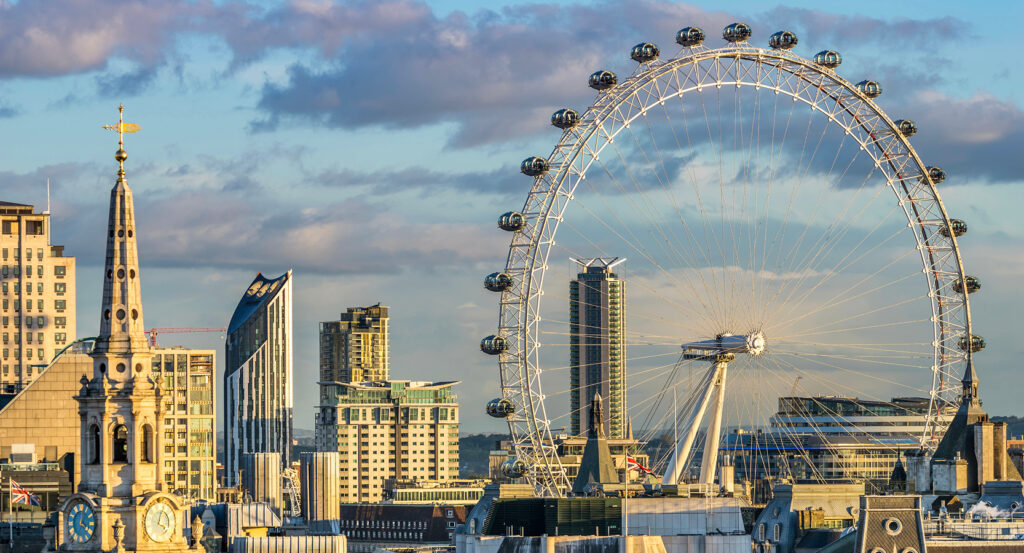
Why you should experience The Z Hotel Trafalgar in London, England.
The Z Hotel Trafalgar is a compressed urban hotel where Covent Garden's theatrical energy, Charing Cross intensity, cultural concentration and after-dark momentum converge within a tightly engineered base for experiencing Central London on foot.
Set along Chandos Place near William IV Street and just steps from Charing Cross Station, the hotel occupies 53-59 Chandos Place at the seam between Covent Garden, Trafalgar Square and the dense entertainment streets leading toward Leicester Square. The property embraces Z Hotels' defining spatial concept, concentrating bedrooms into remarkably small footprints while placing far greater emphasis on the city immediately beyond them. Windowed and internal rooms coexist within the building, allowing the accommodation plan to exploit a constrained Central London footprint while maintaining the brand's deliberate separation between sleeping space and destination experience. The result is a hotel where compact architecture and an unusually concentrated cultural setting turn Chandos Place into a practical threshold between Covent Garden's stages, galleries and historic streets.
What you should know about The Z Hotel Trafalgar.
The Z Hotel Trafalgar is best known for translating Z Hotels' compact-room model into one of Central London's most intensely connected locations, with the property currently documenting 121 guestrooms at 53-59 Chandos Place. The accommodation collection begins with nine-square-meter Z Inside Double and Z Double rooms, expands to ten-square-meter Z Inside Queen and Z Queen categories and reaches 14 square meters in the accessible Queen configurations, creating an unusually concentrated room hierarchy in which a difference of only five square meters separates the smallest and largest published formats. Internal Double and Queen rooms deliberately eliminate external windows, while corresponding Z Double and Z Queen categories preserve the same nine and ten-square-meter footprints with exterior openings, making daylight itself one of the structural distinctions within the accommodation program. Across those configurations, double and queen beds are integrated with en-suite shower rooms and under-bed storage, allowing sleeping, bathing and storage functions to coexist within footprints substantially smaller than conventional London hotel rooms.
The Trafalgar property belongs to a wider Z Hotels concept built around reducing private-room area while maintaining addresses in unusually central urban locations, turning spatial efficiency into the commercial logic of the brand rather than disguising it as conventional full-service hospitality. The nine-square-meter Double provides the clearest expression of that philosophy, allocating 97 square feet to two occupants while still incorporating a double bed and private shower room within the same envelope. Queen configurations increase the footprint by only one square meter, while the 14-square-meter accessible categories add 40 percent more floor area than the standard Queen and more than 55 percent compared with the smallest Double format. That tightly calibrated progression from nine to 14 square meters makes The Z Hotel Trafalgar a particularly explicit example of contemporary micro-hotel design, using differences in bed width, daylight and floor area to create a complete accommodation hierarchy within exceptionally compact dimensions.
How to fold The Z Hotel Trafalgar into your trip.
The Z Hotel Trafalgar works as the anchor for an afternoon tracing English stagecraft, eighteenth-century artistic patronage and London's relationship with the River Thames through the streets descending from Covent Garden toward the Strand.
Begin at London Coliseum, where theatrical impresario Oswald Stoll commissioned architect Frank Matcham to create an immense variety theater that opened in 1904, incorporating a 2,359-seat auditorium and a 145-foot tower crowned by a revolving globe before becoming the home of English National Opera in 1968. Continue to Somerset House, where William Chambers began constructing the present neoclassical complex in 1776 on the site of the Tudor palace built for Edward Seymour, Duke of Somerset, creating a vast institutional composition later expanded by James Pennethorne and occupied by organizations including the Royal Academy during its early history. Conclude at Victoria Embankment Gardens, created during the immense nineteenth-century reshaping of the Thames waterfront associated with Joseph Bazalgette's Victoria Embankment, where river reclamation combined transport infrastructure, sewers and landscaped public ground along a shoreline dramatically different from the one experienced by earlier generations of Londoners. The progression moves from Matcham's architecture for mass entertainment through Chambers's great eighteenth-century composition into the remade Victorian riverfront, revealing three distinct periods of metropolitan ambition within walking distance of The Z Hotel Trafalgar.
Where your story begins.
Foresyte Travel reveals places that feel extraordinary long before you arrive.
Experience premium editorial crafted for luxury travelers.














































































































