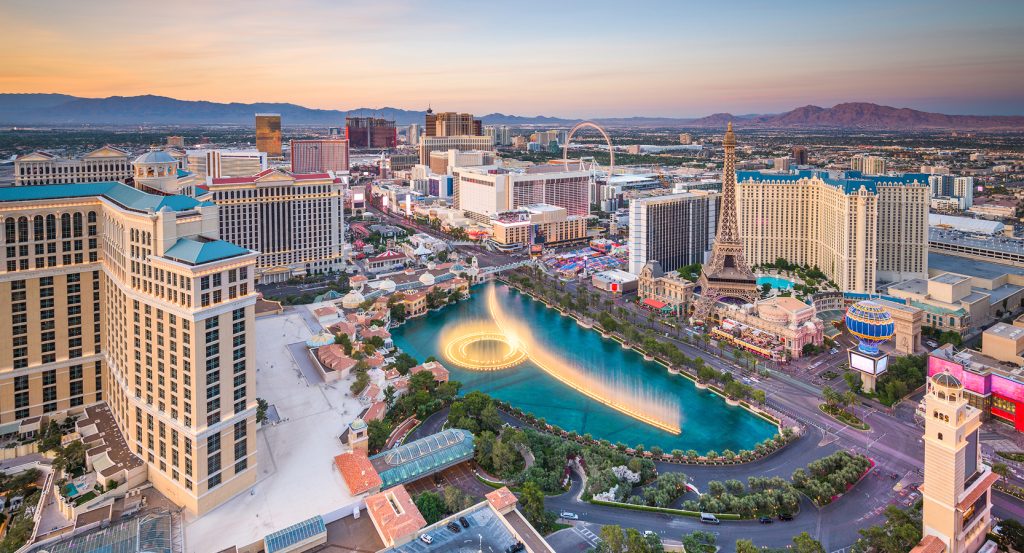
Three days in Las Vegas, Nevada.
Las Vegas is most honest when you step slightly outside its glare and then re-enter it on your own terms.
This version of the city moves between open desert and engineered spectacle, between iconic signage and dining rooms built on precision. You begin at the literal threshold of the Strip before shifting into canyon silence, Thai mastery, indoor amusement architecture, and refined local kitchens. The rhythm here is deliberate: natural light against neon glow, classic steakhouse lineage against immersive technology, vintage signage against futuristic design. Las Vegas is not only about excess, it is about contrast, and when you balance it correctly, the city reveals a surprising depth beneath its surface.
Three days you'll remember.
Day 1: Welcome to Fabulous Las Vegas Sign
The Welcome to Fabulous Las Vegas Sign stands at the southern end of the Strip as the city's most recognizable threshold marker. Installed in 1959, its mid-century design signals both nostalgia and arrival in a single frame. Visiting it early anchors the trip in symbolism before the larger spectacle unfolds.
Day 1: Mon Ami Gabi
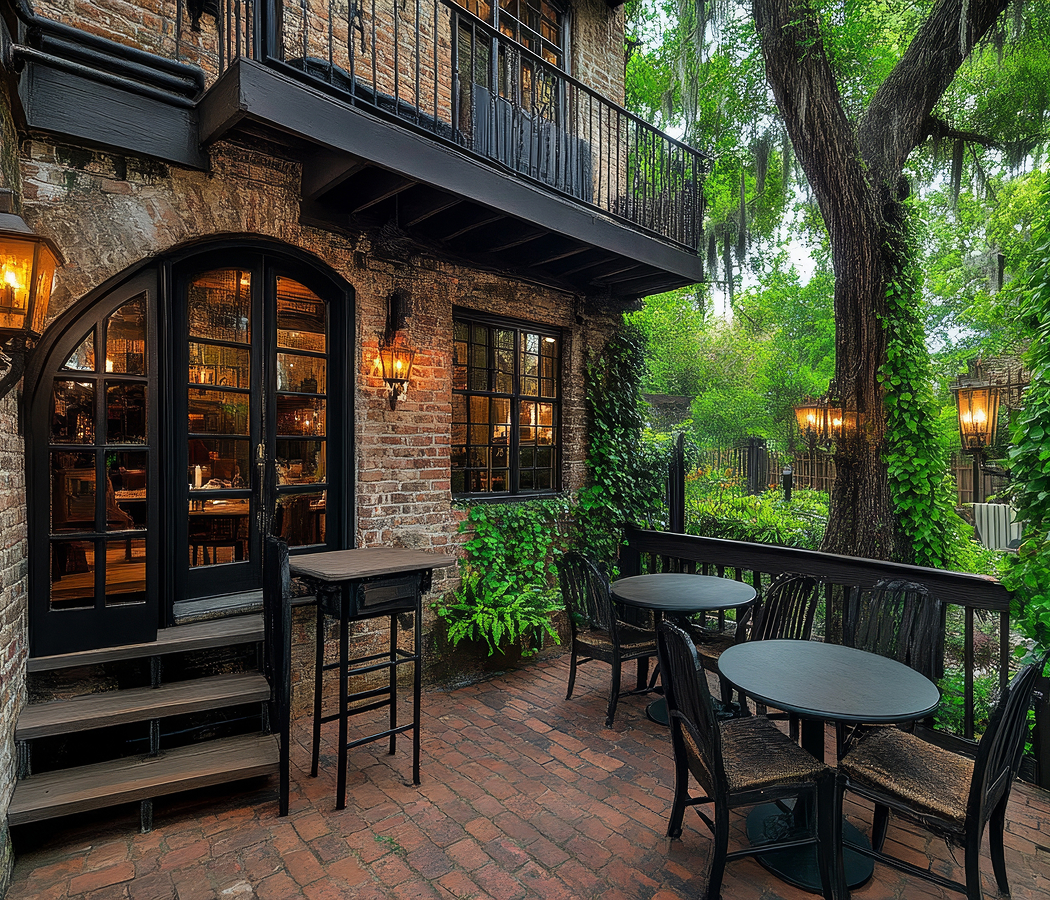
Mon Ami Gabi at Paris Las Vegas channels classic French brasserie energy with an open-air patio overlooking the Strip. Steak frites, onion soup, and disciplined technique create a dining experience rooted in tradition. The terrace vantage point blends European sensibility with Vegas theater in a way that feels unexpectedly balanced.
Day 2: Red Rock Canyon National Conservation Area
Red Rock Canyon National Conservation Area sits just west of the Strip, offering sandstone cliffs, desert trails, and a scenic drive that reframes Las Vegas within its natural surroundings. The contrast between open wilderness and urban spectacle is immediate and grounding. It's where the city's geography becomes clear.
Day 2: Lotus of Siam
Lotus of Siam is widely regarded as one of the most important Thai restaurants in the United States, known for its Northern Thai specialties and deep wine program. The menu favors complexity and authenticity, emphasizing layered spice and disciplined preparation. It represents Las Vegas dining at its most respected and least theatrical.
Day 2: Adventuredome
Adventuredome at Circus Circus is a five-acre indoor amusement park enclosed beneath a massive glass dome. Roller coasters and rides operate year-round, turning controlled chaos into architectural entertainment. It's a reminder that Las Vegas builds experiences at scale, even indoors.
Day 2: Honey Salt
Honey Salt delivers farm-to-table American cuisine in a setting that feels calm and intentionally neighborhood-driven. The menu emphasizes seasonal sourcing and clean flavors. It provides a grounded counterbalance to the Strip's intensity.
Day 3: Peter Luger Steak House at Caesars Palace
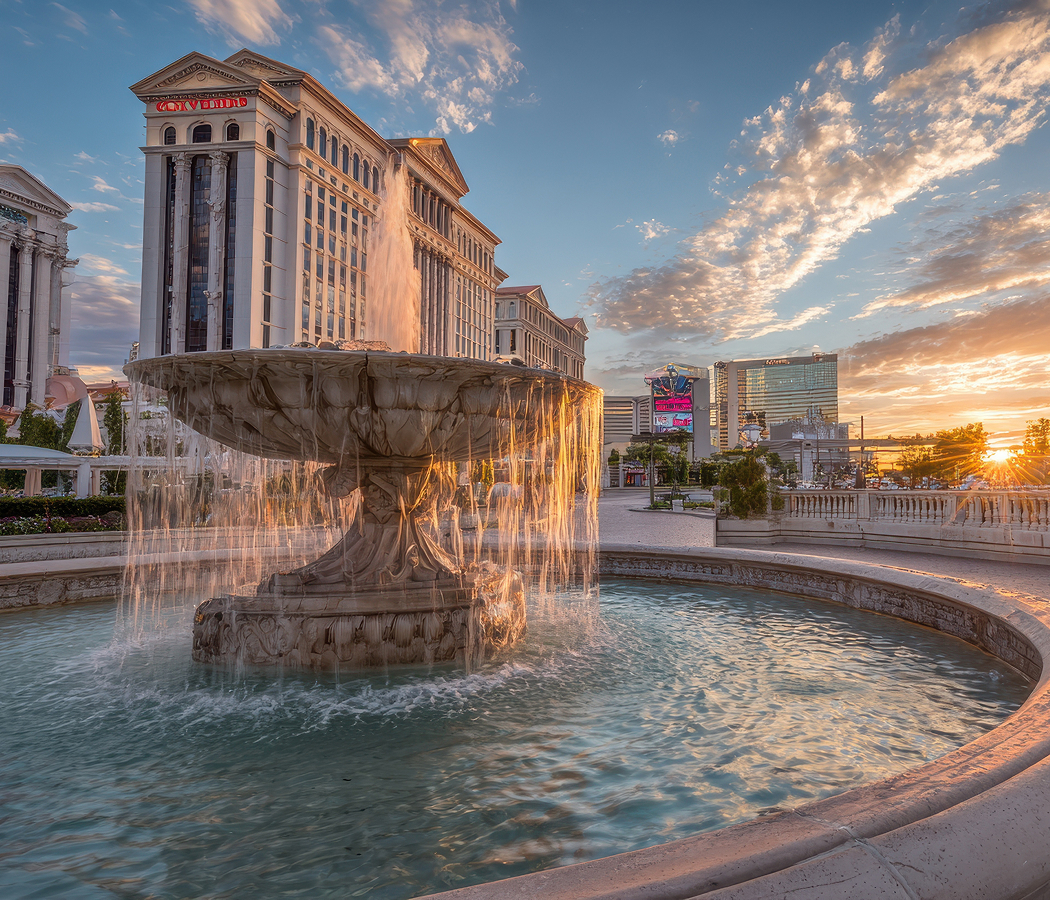
Peter Luger Steak House at Caesars Palace brings the legendary Brooklyn institution's dry-aged beef and old-world steakhouse tradition to the Strip. The dining room reflects disciplined service and minimal distraction, allowing the food to remain central. It's lineage imported with precision.
Day 3: The Neon Museum
The Neon Museum preserves vintage Las Vegas signage in an outdoor “boneyard” that chronicles the city's visual evolution. Restored marquees and weathered typography reveal how identity here has always been shaped by light. Walking among them feels archival.
Day 3: Bacchanal Buffet at Caesars Palace
Bacchanal Buffet at Caesars Palace is one of the largest and most expansive buffet operations in Las Vegas, featuring multiple live cooking stations and global cuisine categories. The scale is intentional and meticulously organized, offering variety without complete disorder. It closes the trip in classic Vegas fashion, abundance controlled through design.