
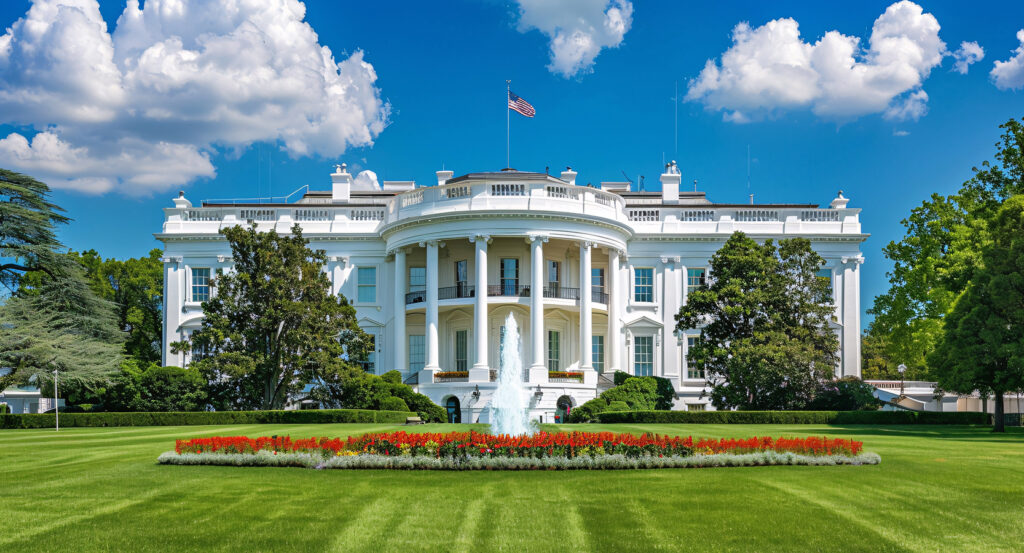
Why you should experience East Room at The White House in Washington, D.C.
The East Room is the grand stage of the White House, a space where history, ceremony, and emotion converge beneath glimmering chandeliers.
It's the largest and most ornate room in the residence, used for state dinners, press conferences, performances, and moments that define presidencies. Step inside and you're immediately struck by the light, tall windows illuminate white walls trimmed in gold, while the soft gleam of parquet floors echoes with the weight of tradition. Presidents have danced here, mourned here, and changed the world from its podium. It was in the East Room that Abraham Lincoln's body lay in state, where Lyndon Johnson signed the Civil Rights Act, and where world leaders have toasted alliances that shaped history. More than a ballroom or reception hall, the East Room feels alive, an evolving witness to democracy's triumphs and tribulations, framed by art, music, and humanity.
What you should know about East Room at The White House.
The East Room was part of the White House's original 1800 design but wasn't completed until President Monroe's administration in 1829, when it finally took shape as a formal event hall.
Over time, its design has evolved to reflect both taste and history, from Victorian ornamentation to the restrained neoclassical elegance that endures today. The crystal chandeliers, introduced during the Kennedy era, lend the room a timeless grace, while the Steinway grand piano, a gift from the company in 1938, symbolizes the White House's long relationship with art and culture. Behind the scenes, this is also where the president often practices major addresses before delivering them to the nation. Portraits of George and Martha Washington preside over the space, grounding each event in the legacy of America's founding spirit. The room's acoustics are among the finest in the residence, making it a favorite for performances by world-renowned artists and the U.S. Marine Band alike.
How to fold East Room at The White House into your trip.
Visitors lucky enough to join a White House tour will find the East Room to be the resonant crescendo of their visit.
Typically, it's the final and most dramatic stop on the self-guided route, where guests can linger to take in its soaring ceilings and iconic decor. Stand at the far end to appreciate how sunlight plays off the gilded frames and crystal fixtures, the same view countless dignitaries and celebrities have shared. The White House Visitor Center also offers a detailed virtual tour and historical exhibits featuring artifacts and photographs from some of the room's most famous moments. If you're visiting in spring, try to attend one of the public concerts or cultural events held on the White House lawn, where music once performed in the East Room carries across the gardens. Whether experienced in person or through its storied imagery, the East Room captures the White House at its most poetic, where beauty, ceremony, and the American spirit unite in luminous harmony.
Where your story begins.
Foresyte Travel reveals places that feel extraordinary long before you arrive.
Experience premium editorial crafted for luxury travelers.







































































































