Why you should experience Boterhuis in Brugge, Belgium.
Boterhuis is where Brugge feels domestic, unpretentious, and quietly grounded, a stay that strips the city of ceremony and lets it reveal itself as a place of everyday life.
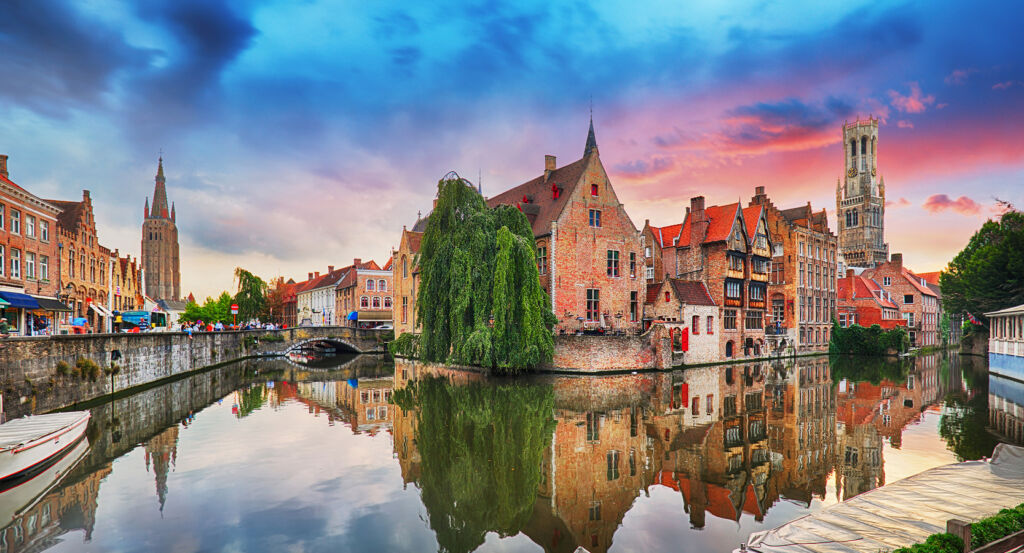
Brugge can easily feel over-curated. Its beauty is so complete, its preservation so meticulous, that visitors often experience the city as something to admire. Boterhuis disrupts that dynamic by offering a base rooted in modesty, warmth, and lived scale. Located just outside the most congested tourist corridors yet firmly within walking distance of the historic core, the hotel feels integrated into the city's daily rhythm. Arrival is straightforward and calm. There is no dramatic threshold or visual assertion, only the sense of stepping into a place designed to support rest and continuity. The building itself feels residential in posture, signaling immediately that this is a hotel for people who want Brugge to feel approachable. Inside, interiors are simple, warm, and functional, favoring clarity over design narrative. Public spaces are modest in scale and thoughtfully arranged, creating an environment where movement feels easy and presence feels natural. There is an absence of performative luxury here, replaced instead by an atmosphere that prioritizes comfort, reliability, and quiet ease. Guest rooms reflect this same philosophy. Spaces are clean, well-proportioned, and designed to function smoothly over multiple days. Beds are comfortable and supportive, positioned to encourage real rest after long hours on cobblestones. Lighting is practical and forgiving, allowing rooms to adapt easily from morning preparation to evening wind-down. Furnishings emphasize usability rather than statement, offering sufficient storage, seating, and surfaces to unpack fully and settle in. Windows frame streets, rooftops, or interior views that reinforce the sense of being inside a living neighborhood. Bathrooms are straightforward and well-maintained, prioritizing cleanliness, water pressure, and layout over indulgence. Throughout the hotel, the atmosphere remains consistent. Sound is managed effectively, and despite the hotel's proximity to the city center, interior spaces feel calm and insulated. This stability becomes increasingly valuable as days accumulate, allowing Brugge's density to be absorbed. Service at Boterhuis mirrors this grounded approach. Staff interactions are friendly, attentive, and practical, guided by a desire to make your stay smooth. Assistance feels genuine and local rather than scripted, and recommendations often reflect everyday Brugge rather than headline attractions. The location completes the experience. From Boterhuis, the city unfolds easily on foot, yet returning always feels like stepping back into a quieter, more personal register. The hotel does not attempt to reinterpret Brugge or elevate itself within the city's hierarchy. It offers something simpler and more durable: a place where Brugge feels livable, accessible, and human, allowing the city's character to emerge through familiarity.
What you should know about Boterhuis.
Boterhuis occupies a site shaped by Brugge's long tradition of domestic life and everyday commerce, a heritage that continues to inform its understated character today.
The name itself references Brugge's historic butter trade, a reminder that the city's prosperity was built not only on grand institutions but on daily exchange, craft, and sustenance. Buildings like this one were part of the fabric that supported Brugge's medieval economy, serving practical needs. This origin matters. Unlike aristocratic residences or civic monuments, structures tied to trade and domestic use were designed for endurance, adaptability, and regular occupation. Their proportions, materials, and layouts reflect a focus on function. When Boterhuis became a hotel, the guiding principle was continuity. Instead of overlaying a strong stylistic identity, the property retained a sense of simplicity that aligns with its historical role. Interiors emphasize practicality and warmth, allowing the building's modest scale to remain legible. One lesser-known aspect of the hotel is how intentionally it supports routine. Brugge's historic center can be visually dense and socially saturated, especially during peak seasons. Boterhuis counterbalances this by offering an interior environment that feels neutral and restorative. This allows guests to reset mentally between excursions, making longer stays more sustainable. Another defining element is the hotel's relationship with repetition. Because the experience is not built around novelty or performance, return visits feel natural. Guests often choose Boterhuis again because it delivers consistency and ease, qualities that become more valuable the more familiar Brugge becomes. The service culture reinforces this stability. Staff tend to engage with guests conversationally, offering guidance shaped by lived knowledge of the city. This creates a sense of trust and ease, allowing guests to explore Brugge. Over time, the hotel has evolved through incremental refinement rather than reinvention, maintaining relevance while preserving its core identity. In a destination where many properties compete through narrative and aesthetic assertion, Boterhuis stands apart by remaining grounded in everyday use. It does not frame Brugge as a performance to consume. It treats the city as a place to be navigated, lived in, and gradually understood, echoing the building's own history of daily relevance.
How to fold Boterhuis into your trip.
Boterhuis works best when you allow it to function as your everyday anchor in Brugge, shaping your days through familiarity and ease.
Begin your mornings. The hotel's calm, straightforward environment makes it easy to start the day gradually, whether that means enjoying breakfast on site or stepping out early to experience Brugge before crowds gather. From the hotel, walk toward the historic center at a relaxed pace, letting streets transition naturally from residential to monumental. Visit major landmarks without feeling pressured to linger longer than curiosity demands. Because your base feels close and accessible, exploration becomes layered. Midday returns to the hotel are especially valuable. A brief rest, time to reorganize, or simply sitting in a quieter space allows the city's physical density to settle. This pause recalibrates attention and makes afternoon wandering feel more perceptive. In the afternoon, explore Brugge's quieter dimensions. Walk canals away from the busiest routes, visit local shops and neighborhood cafés, or spend time in small museums that reward patience. Knowing that you can return easily encourages a more relaxed approach to discovery. Evenings benefit from simplicity. Choose dinner nearby rather than crossing the city, then walk back as the city softens and noise recedes. Returning to Boterhuis at night feels familiar rather than transactional, reinforcing the sense that you are staying within the city rather than visiting it from outside. On longer stays, this rhythm becomes essential. Alternating outward engagement with inward calm prevents fatigue and allows Brugge's character to reveal itself gradually. Each day feels distinct, shaped by repetition and subtle variation. When departure day arrives, leaving Boterhuis feels composed rather than abrupt, as though you are stepping back into motion from a place that has quietly supported you rather than demanded attention. The hotel does not attempt to elevate Brugge or interpret it for you. It provides a stable, humane environment that allows the city to be experienced steadily, making Brugge feel less like a destination to conquer and more like a place you briefly belonged to.
Where your story begins.
Foresyte Travel reveals places that feel extraordinary long before you arrive.
Experience premium editorial crafted for luxury travelers.