Why you should experience Hotel Tiffany in Copenhagen, Denmark.
Hotel Tiffany is where discreet charm, quiet sophistication, and warm Danish hospitality converge, a stay that feels personal, intimate, and deeply rooted in Copenhagen's residential rhythm.
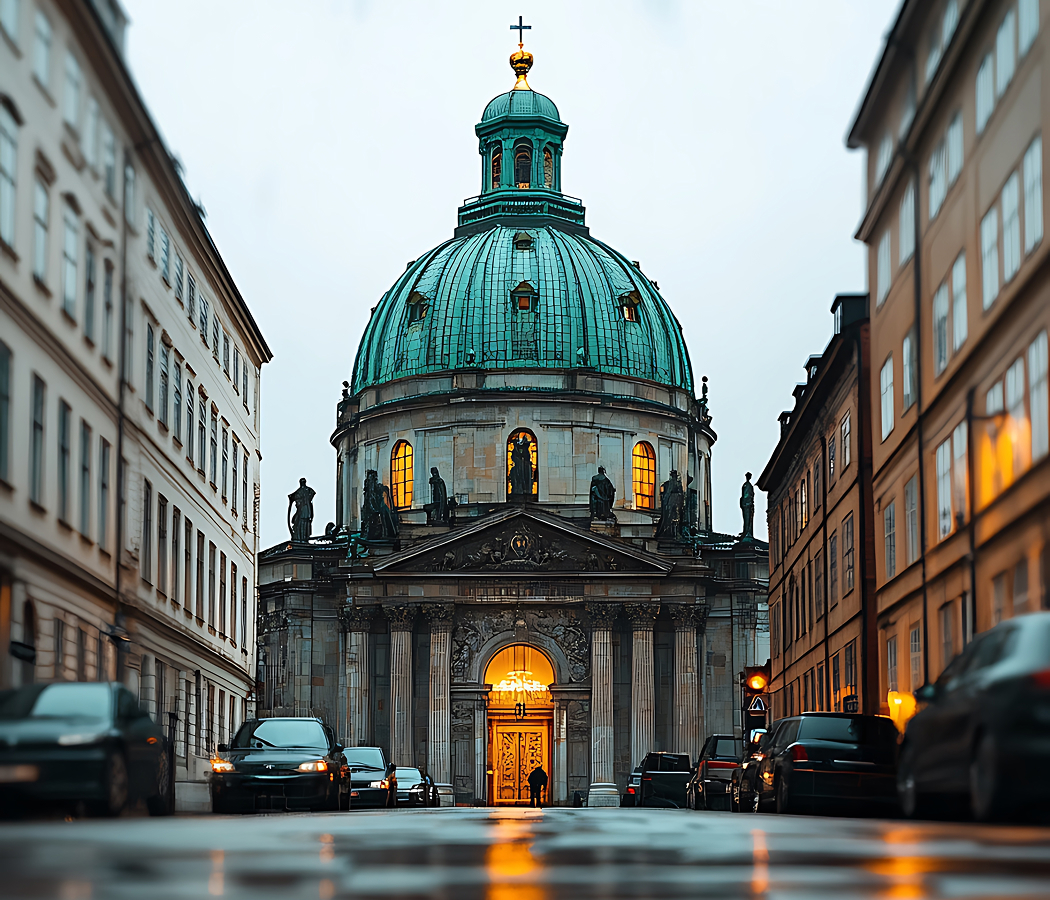
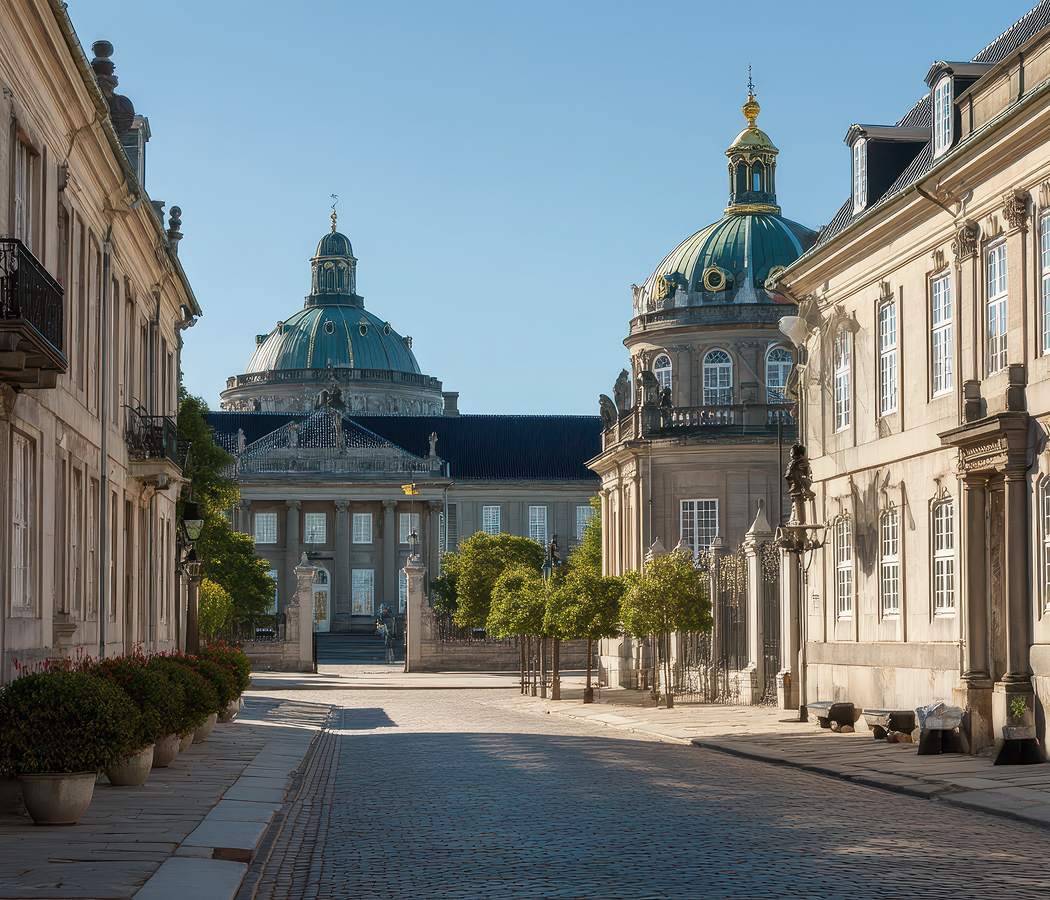
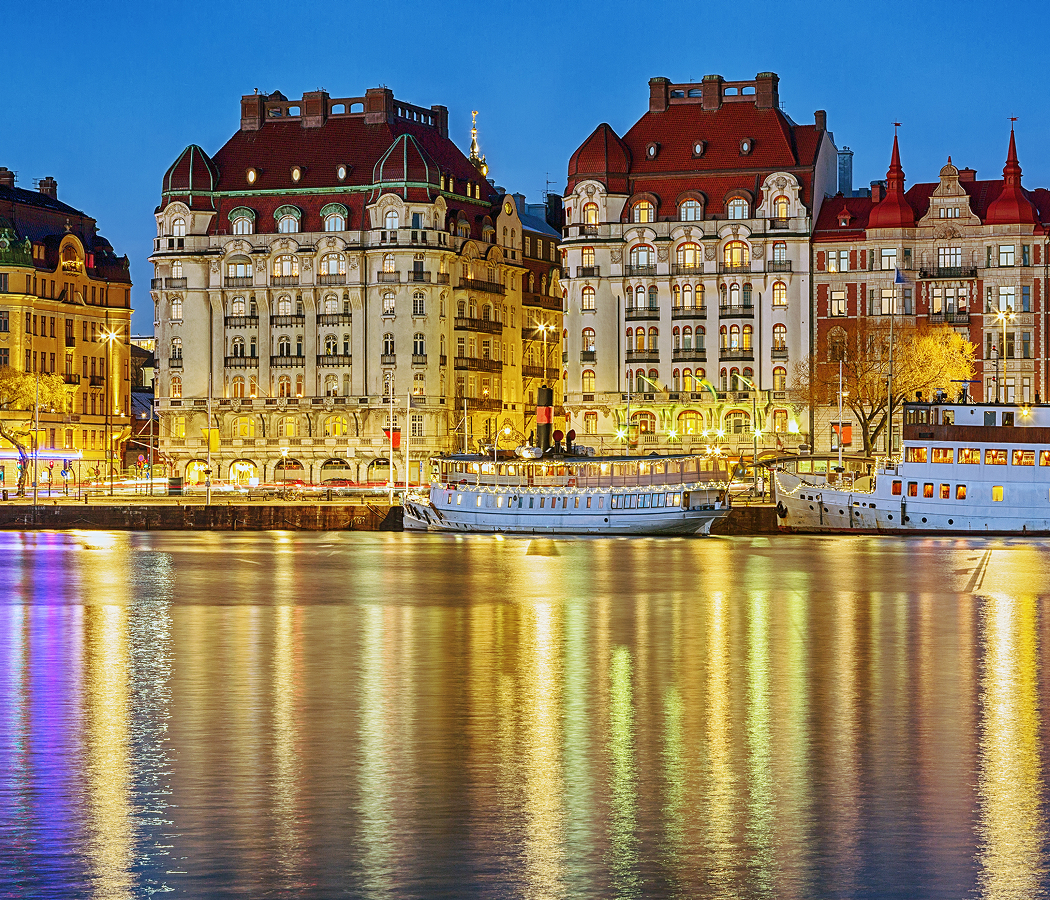
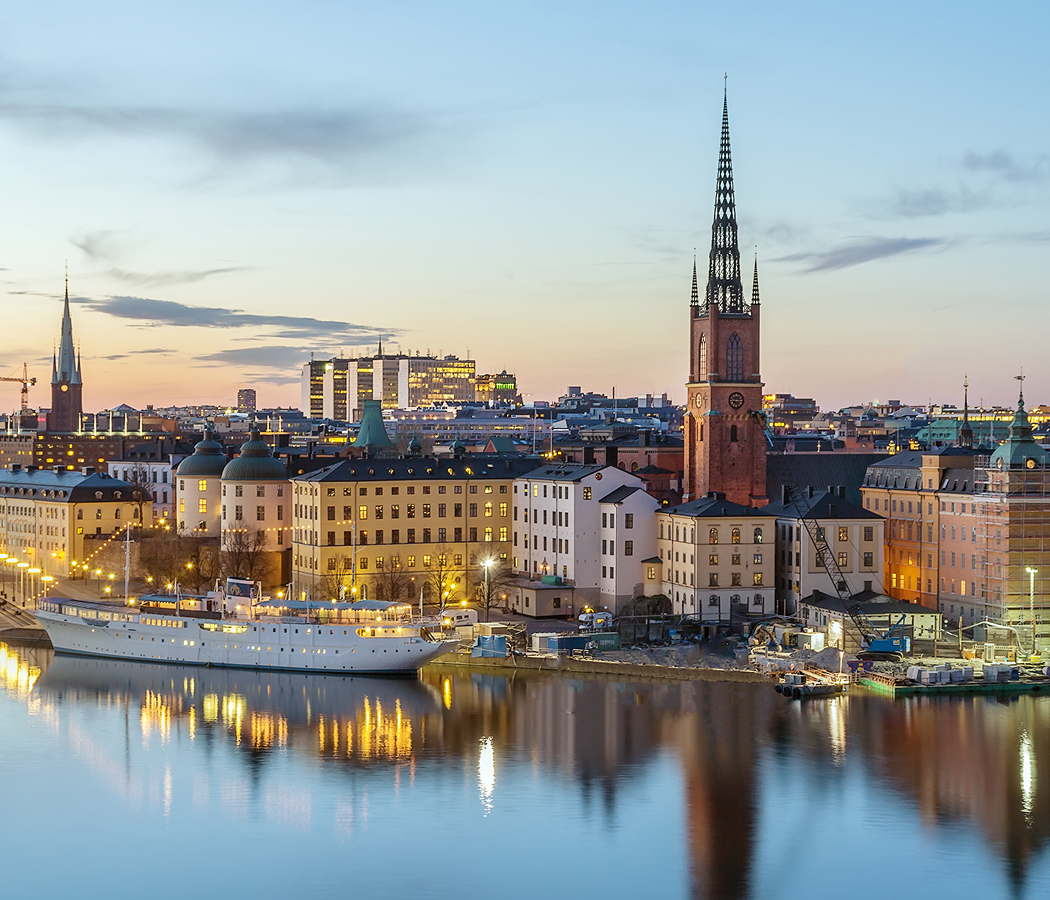
Tucked into one of Copenhagen's calm boulevards just a short stroll from lively café culture, independent boutiques, and historic lanes, Hotel Tiffany doesn't greet you with performance. Instead, it invites you into a space where you become the focus, where proportions feel comfortable, materials feel tactile, and light enters not to perform but to settle in. Arrival here feels deliberate yet easy. The exterior doesn't shout; it welcomes. Step inside and the atmosphere unfolds with composure: thoughtful public areas that feel like collected spaces rather than curated showrooms, seating that invites conversation or quiet reading, and an absence of physical noise that lets presence take the lead. Wood tones are warm, textiles feel human under hand, and lighting feels considered, not theatrical. Guest rooms at Hotel Tiffany extend this sensibility into private territory. Layouts are smart and calm, giving you room to rest. Beds are deeply comfortable, dressed in linens chosen not for visual drama but for genuine tactile ease. Furnishings combine modern lines with warmth: chairs you can settle into comfortably, surfaces that feel substantial without shout, and palettes that favor quiet neutrals and soft accents that respond to daylight and city rhythm rather than impose on them. Windows often frame quiet streets, leafy boulevards, or architectural details that reward slow observation, anchoring your stay in place. Bathrooms are thoughtfully arranged and well-lit, with clean fixtures and surfaces that support routine in a way that feels easy. Nothing distracts; everything works. What defines Hotel Tiffany is its intimate urban poise. This is a hotel that feels like a place to stay, not a place to be seen. Public spaces feel social. Mornings arrive with a reflective quiet; afternoons are open to exploration without hurry; evenings settle into gentle warmth rather than crescendo. Dining and lounge areas reflect this tone, spaces where meals and conversation feel natural rather than performed, where atmosphere supports presence more than impression. Service at Hotel Tiffany is warm, attentive, and genuinely helpful. Interactions feel human. Staff offer guidance with nuance and sincerity, often oriented around how to move through the city gracefully: which streets feel quietest for a morning stroll, where neighbors go for slow afternoon coffee, or which laneways reveal the best architectural detail at specific light. These recommendations feel rooted in lived familiarity. Step outside and Copenhagen reveals itself in layered texture: pedestrian boulevards, historic façades, canal paths, independent shops, and neighborhood cafés all within easy reach. Historic center highlights, design quarters, and cultural venues are a comfortable walk or bike ride away.
What you should know about Hotel Tiffany.
Hotel Tiffany captures a hospitality philosophy rooted in understated refinement and contextual intelligence, shaped to support how people feel in space rather than how they look in it.
Rather than anchoring its character in bold design gestures or showpiece moments, Hotel Tiffany emphasizes coherence, human scale, and material tactility. Public spaces don't rely on dramatic contrasts or staged theatrics; they are composed so movement feels logical and presence feels effortless. Sightlines are clear. Circulation feels fluid. Light enters naturally and evolves through the day. Materials such as warm wood, soft textiles, and matte surfaces are chosen for how they age with time rather than how they photograph, a design logic that creates environments that feel familiar and comfortable rather than momentary. A subtle yet significant strength of the hotel lies in how it manages urban rhythm. The property is close to transit, pedestrian corridors, and central movement, yet interiors are composed to receive that motion. Sound is moderated without being muted; light feels open rather than intrusive. This creates a space where the city's pulse becomes part of your physical backdrop rather than a distraction, a quality that becomes more rewarding the more time you spend in it. Another overlooked dimension is how the hotel supports temporal coherence. Many contemporary hotels attempt to choreograph your stay through programmed rituals or scheduled experiences. Hotel Tiffany does not. Instead, it supports your own pace. Mornings begin with clarity rather than crescendo; afternoons unfold with openness rather than segmentation; evenings settle into composed calm rather than performance. This temporal alignment, where personal rhythm sets the tone, feels rare and deeply satisfying in an urban context. The service philosophy reinforces this grounded approach. Staff interactions are personable, informed, and genuinely warm. Assistance is offered with context and timing. Recommendations tend to emphasize how to inhabit space and time, when certain paths feel most serene, where locals gather for daily rituals, or which lanes offer depth of character. These insights emerge from familiarity with Copenhagen as a lived city, not a checklist of impressive moments. The hotel attracts travelers who value clarity, presence, and resonant resonance. Independent explorers appreciate autonomy and calm; professionals value functional warmth; couples and repeat visitors find solace in spaces that feel personal. Public areas feel shared. Private rooms feel intentional. Staying here often reframes how guests perceive Copenhagen itself: not as a city to be rushed through, but as a city to be inhabited rhythmically and felt deeply, one slow step and quiet moment at a time.
How to fold Hotel Tiffany into your trip.
Hotel Tiffany works best when your Copenhagen experience is guided by paced movement, physical awareness, and an openness to inhabit the city's textures.
Begin your mornings with attentive movement. Step outside and walk toward nearby boulevards or quieter lanes before crowds gather. Let light, distant voices, and the sound of Brunswick street life set your pace. Return for coffee at a local café or take a slow breakfast close by, let this pause orient. Late mornings are ideal for exploration that values texture over targets. Visit historic streets, independent galleries, local design studios, or canal paths that reward slow observation. Copenhagen reveals depth when attention is curious. Return midday to Hotel Tiffany for recalibration. Sit in a public area, read near a window, or rest privately. This pause is not “downtime”; it's where experience settles into memory. In the afternoon, continue your outward exploration. Walk toward the harbor, creative corridors, independent shops, or green spaces, let façades, light, and rhythm shape your route. Each return to the hotel feels like stepping into comfortable context. As evening approaches, choose dinner based on mood rather than reputation lists, Copenhagen's culinary scene thrives where ambience, craft, and conversation intersect. After dinner, take a slow walk back through softly lit streets or quiet boulevards, letting your senses register how the city feels at night. Returning to Hotel Tiffany at night feels like closure through calm. On your final morning, linger longer than planned. One more coffee, one more slow step through streets now familiar rather than new, one final moment of presence before departure.
Where your story begins.
Foresyte Travel reveals places that feel extraordinary long before you arrive.
Experience premium editorial crafted for luxury travelers.