Why you should experience Brickell Plaza in Miami, Florida.
Brickell Plaza is an sophisticated corridor where Brickell's financial prominence, architectural ambition, tropical streetscape, and cosmopolitan energy continue defining one of Miami's most distinguished urban addresses.
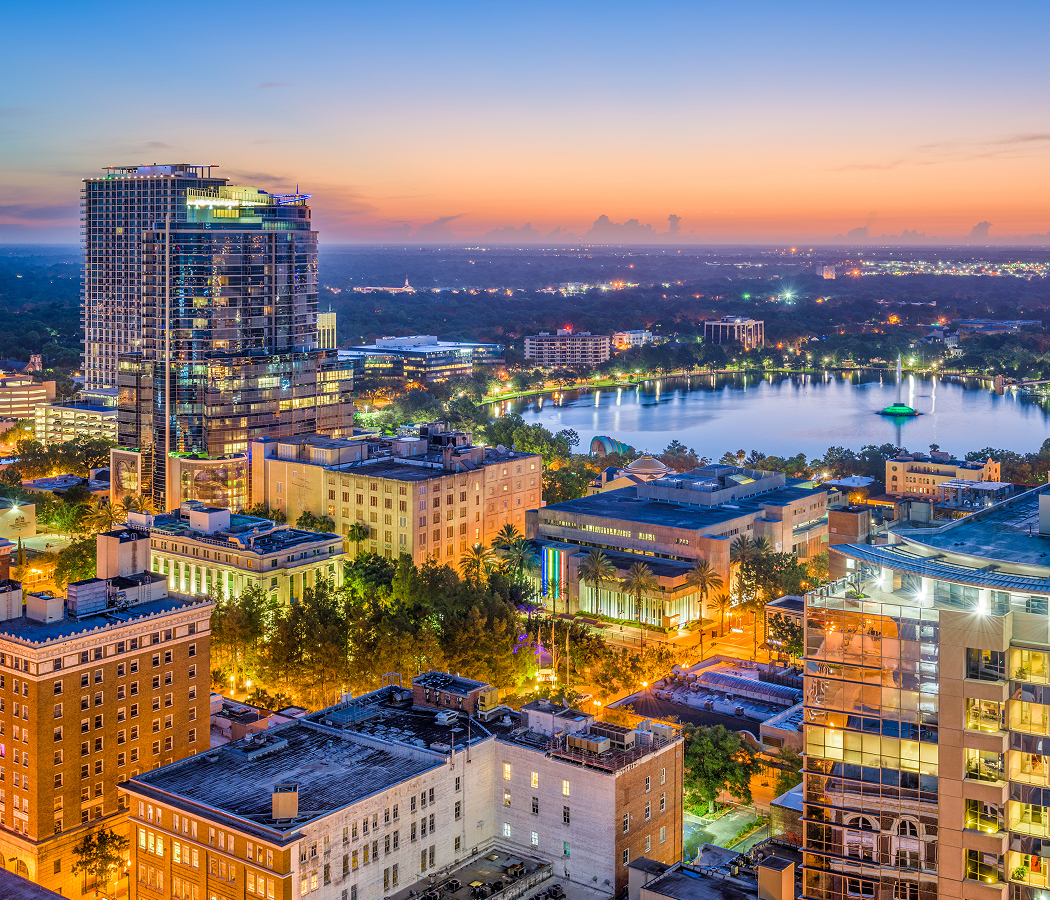
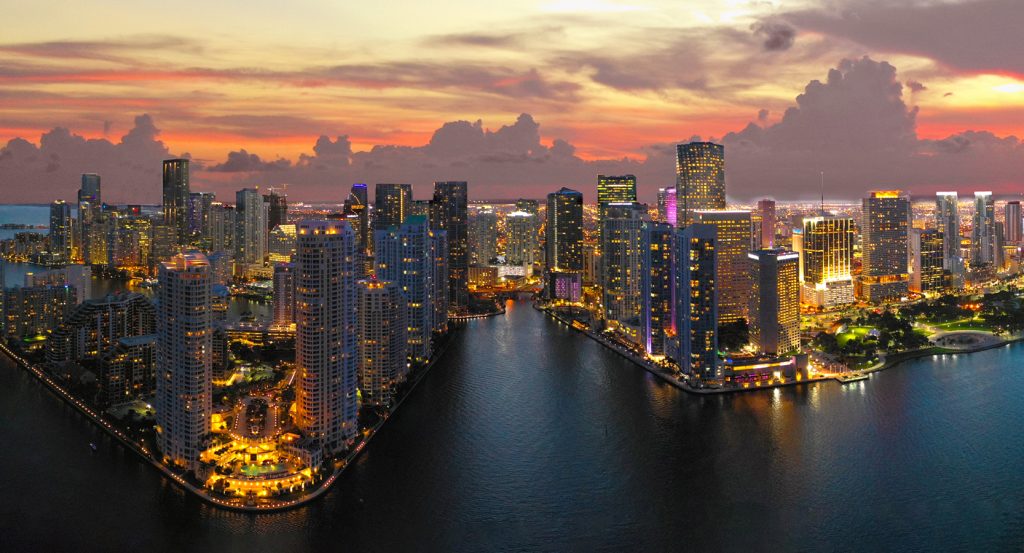
Running through Brickell between the Miami River and South Brickell, the corridor links contemporary office towers, architect-designed residential buildings, luxury hotels, landscaped plazas, and palm-lined sidewalks that collectively reflect Miami's emergence as an international center for commerce and design. Glass curtain walls, sculptural high-rise architecture, generous public spaces, and subtropical landscaping create a streetscape where innovation and thoughtful urban planning remain closely connected. Throughout the corridor, carefully designed buildings, inviting pedestrian spaces, and flourishing tropical vegetation reinforce a setting whose character has evolved through sustained investment and architectural excellence. The result is an experience defined by urban sophistication, walkability, and one of Miami's most compelling downtown corridors.
What you should know about Brickell Plaza.
Brickell Plaza is best known for occupying the heart of Brickell, a neighborhood whose transformation accelerated after the 1970s as international banking, finance, and multinational corporations established Miami as a leading commercial gateway between North America, Latin America, and the Caribbean. The corridor developed atop land once associated with the Brickell family estate, whose agricultural holdings and early residential development helped shape Miami during the late nineteenth and early twentieth centuries before the district evolved into a dense skyline of commercial and residential towers. Architects including César Pelli, Bernardo Fort-Brescia, Luis Revuelta, Arquitectonica, and Kohn Pedersen Fox contributed to the surrounding built environment through curtain-wall glazing, sculptural concrete forms, shaded podiums, landscaped terraces, and climate-responsive façades that characterize contemporary architecture throughout Brickell. Brickell Plaza also reflects Miami's commitment to multimodal urban planning through interconnected sidewalks, bicycle facilities, landscaped public spaces, and convenient access to Metrorail and Metromover services that support a highly walkable downtown environment. Royal palms, live oaks, mahogany, gumbo limbo, sabal palms, and native flowering species soften the dense urban fabric while strengthening the district's subtropical identity.
Brickell's zoning structure has encouraged vertical development while requiring active ground-floor frontages, landscaped setbacks, and pedestrian-oriented design standards that reinforce a cohesive public realm throughout the surrounding district. Advances in hurricane-resistant engineering, high-performance glazing, elevated structural systems, and resilient construction techniques have influenced many neighboring buildings, reflecting evolving approaches to South Florida's climate and coastal conditions. Limestone cladding, polished granite, architectural concrete, stainless steel, low-emissivity glass, and aluminum framing incorporated throughout nearby buildings demonstrate the durable materials and advanced construction methods that continue defining Brickell Plaza's architectural character. Together, these planning principles, engineering innovations, and contemporary building traditions deepen the historical narrative established by Brickell Plaza, demonstrating why the corridor remains a defining expression of modern Miami.
How to fold Brickell Plaza into your trip.
Brickell Plaza works as an exploration of Miami's contemporary architecture, waterfront setting, and urban culture.
Begin at Brickell Key Park, where Biscayne Bay views, waterfront pathways, and tropical landscaping introduce the coastal setting before following Brickell Plaza into the heart of the neighborhood's striking skyline. Continue to Pérez Art Museum Miami, whose architecture, expansive terraces, and internationally respected collections broaden the appreciation for the artistic vision shaping modern Miami. Conclude at Bayfront Park, where waterfront promenades, public art, mature palms, and panoramic views across Biscayne Bay provide the culminating reward by revealing the city's enduring relationship with its coastal landscape. The progression moves naturally from the bayfront through contemporary artistic expression before concluding along Miami's signature waterfront, revealing how Brickell Plaza connects architecture, culture, and the natural environment into a distinctly urban experience.
Where your story begins.
Foresyte Travel reveals places that feel extraordinary long before you arrive.
Experience premium editorial crafted for luxury travelers.