Why you should experience the Reflection Pool at Museumplein in Amsterdam, Netherlands.
The Reflection Pool at Museumplein in Amsterdam is more than a public landmark, it's the city's mirror, a serene pause between culture and sky.
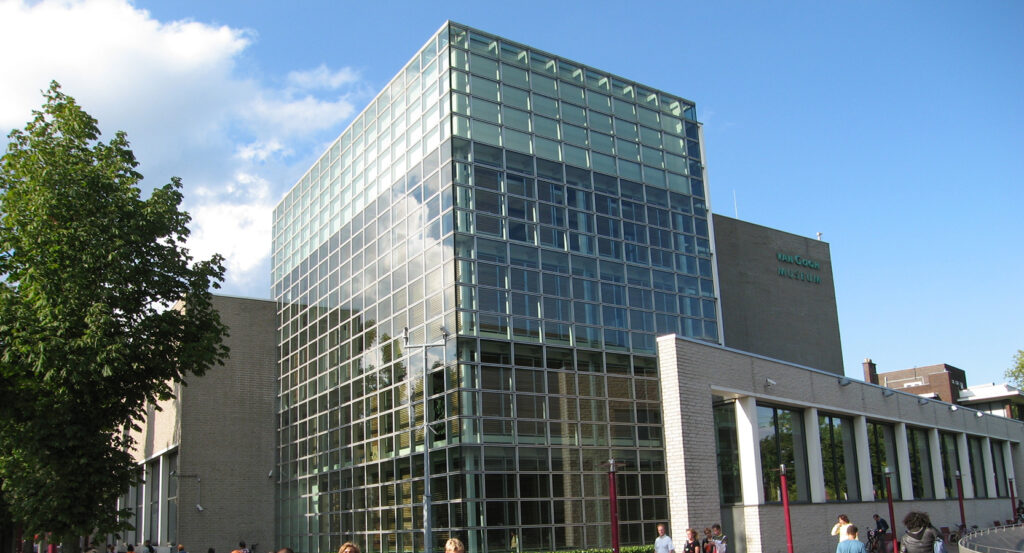
Stretching before the grand façades of the Rijksmuseum, the Van Gogh Museum, and the Stedelijk, this long, shallow basin transforms the plaza into an ever-shifting canvas. On calm days, the water lies perfectly still, reflecting the ornate gables of the Rijksmuseum in glass-like symmetry; on windy afternoons, ripples distort the reflection just enough to feel like a living impressionist painting. Locals gather here with coffee in hand, children toss pebbles along the edge, and travelers lean against the pool's stone border as if caught in a moment outside of time. At night, the lights of Amsterdam's cultural heart shimmer across the surface, and the space hums softly, less like a square, more like a heartbeat. This is the city at its most poetic: an open-air sanctuary where art, architecture, and reflection merge into one.
What you should know about the Reflection Pool.
The Reflection Pool wasn't always part of Museumplein's landscape.
It emerged from the 1999 redesign by Danish architect Sven-Ingvar Andersson, who sought to unify the vast open space between the museums while introducing a quiet counterpoint to their grandeur. Before that, Museumplein had been an uneven, open field, more functional than beautiful. The addition of the pool redefined it, turning a simple expanse of pavement into a contemplative centerpiece. Its depth is deceptively shallow, only a few centimeters, designed to catch light. In winter, the pool is drained and replaced by a public ice rink, transforming reflection into recreation. The minimalist geometry of the basin contrasts with the ornate façades around it, emphasizing the discussion between old and new that defines Amsterdam's cultural landscape. Even the materials, polished granite and glass-smooth concrete, were chosen to echo the reflective qualities of the city's canals. What most visitors don't realize is that the pool also serves as a subtle acoustic buffer, softening the bustle of the square so that each museum stands in quiet dignity.
How to fold the Reflection Pool into your trip.
To experience the Reflection Pool at Museumplein fully, time your visit to the rhythm of the light.
In the early morning, the water mirrors the rosy glow of sunrise spilling over the Rijksmuseum, it's the best time for photographs. Around midday, sit by the pool's edge with a sandwich or a stroopwafel from a nearby café, and watch the city unfold around you: buskers performing, skaters gliding, travelers mapping out their day. As the sun lowers, the scene changes again, the glassy surface catches fire with gold, and the museum façades dissolve into color and motion. If you visit during winter, lace up your skates for an entirely different kind of magic, gliding over the frozen pool beneath strings of shimmering lights. The reflection pool isn't just something to see; it's something to feel, a moment of stillness in a city that's always in motion. End your day by looking into that water one last time, and you'll understand what Amsterdam has always known: beauty isn't only in the art we make, it's in how we choose to see the world reflected back at us.
Where your story begins.
Foresyte Travel reveals places that feel extraordinary long before you arrive.
Experience premium editorial crafted for luxury travelers.