Why you should experience Ryoanji Kyoyochi Pond in Kyoto, Japan.
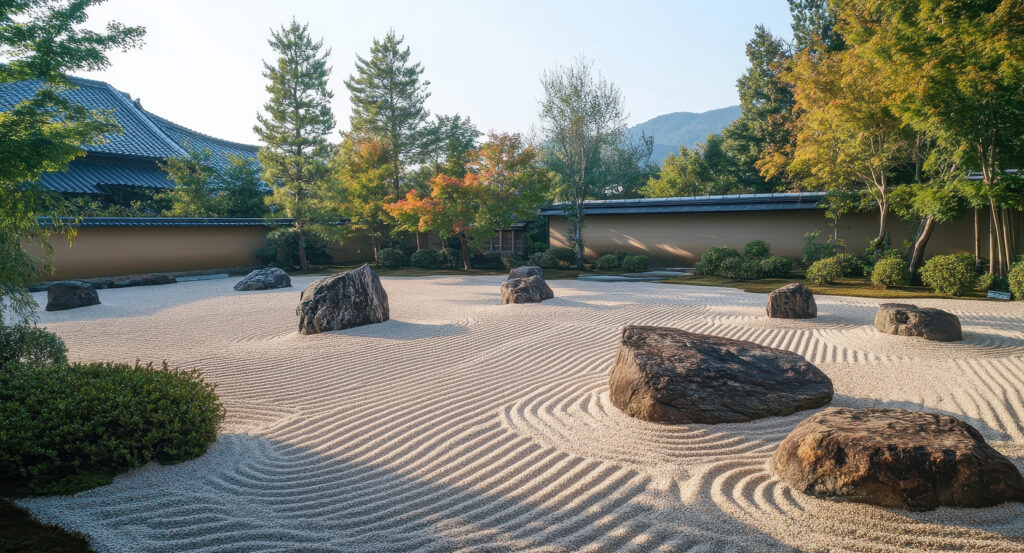
Kyoyochi Pond is Kyoto's mirror of stillness, the soft reflection to the Ryōan-ji Rock Garden's abstraction.
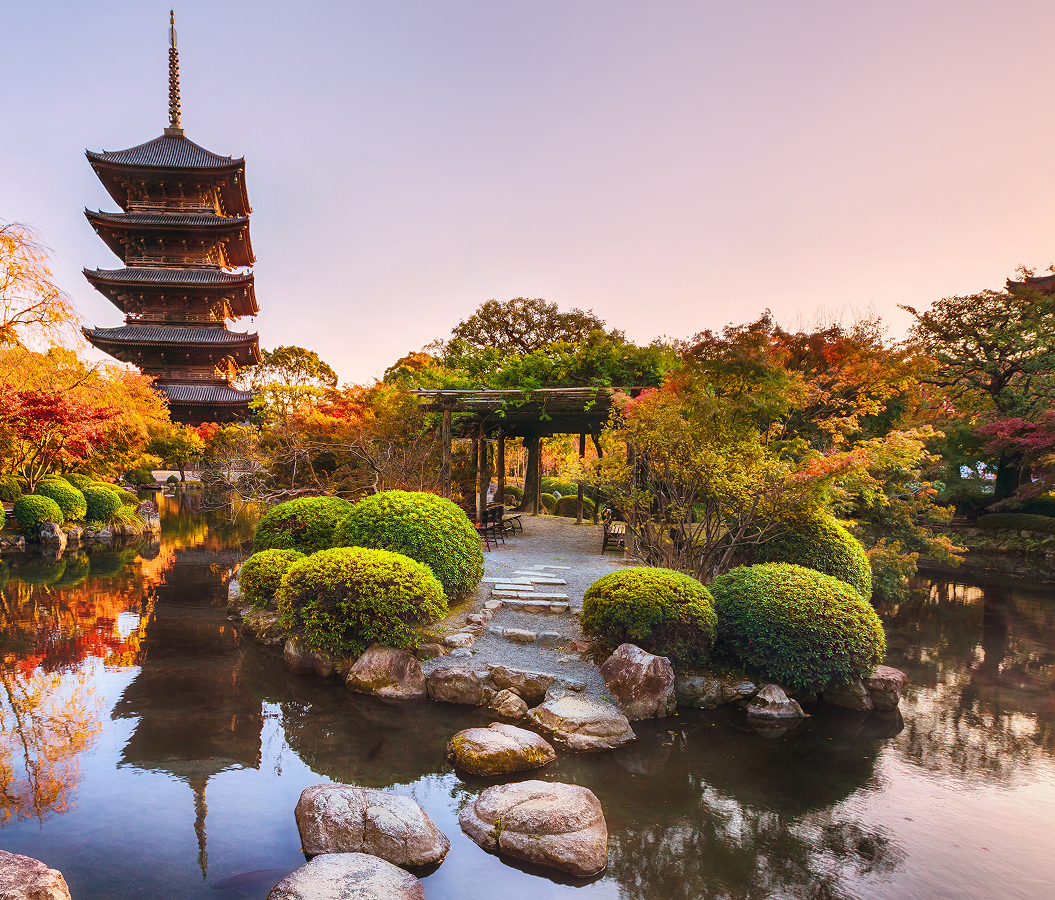
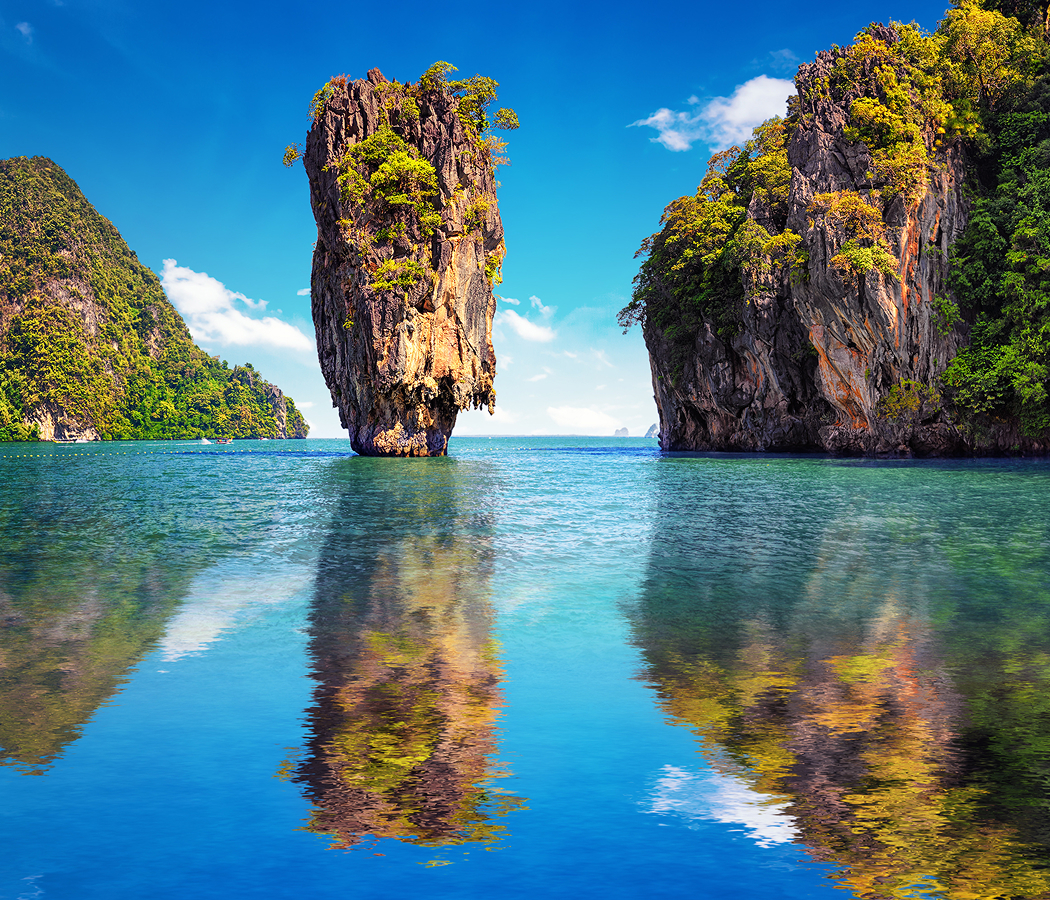
Encircled by pines, maples, and reeds, the pond stretches wide and low, its surface so calm it seems to breathe. Where the rock garden teaches through absence, Kyoyochi teaches through reflection. Clouds drift across its water like passing thoughts, and in early morning, mist curls upward in ribbons that dissolve as light breaks through the trees. Small islands float near the center, crowned with moss and ancient stones, their shapes echoing the Zen balance found within the temple walls. The air hums with quiet life, frogs, dragonflies, and the gentle sound of wind brushing through the reeds. Standing at its edge, you feel both within the scene and entirely apart from it. Kyoyochi is Kyoto's gift to contemplation, nature seen not as backdrop, but as teacher.
What you didn't know about Ryoanji Kyoyochi Pond.
Kyoyochi Pond predates the temple that now surrounds it.
Once the centerpiece of an aristocratic villa owned by the Fujiwara family during the Heian period, the pond's origins reach back nearly a thousand years. When Ryōan-ji Temple was established in the 15th century, the pond was incorporated into its layout as the jōdo (Pure Land) counterpart to the Zen garden, a vision of paradise mirrored in water. Its name, “Kyoyochi,” translates to “Mirror of Clear Harmony,” and its design reflects that ideal. Unlike the rock garden's static composition, the pond changes constantly: lilies bloom in summer, maples burn crimson in autumn, and lotus flowers rise and fall with the season's rhythm. The small islands scattered across the water represent mythical realms, Mount Horai, the island of immortals, among others, linking the physical landscape to Buddhist cosmology. The surrounding walkways were designed as a kaiyū-shiki teien (stroll garden), allowing visitors to experience shifting perspectives as they circle the pond. Few realize that the pond's ecosystem is carefully tended by monks and local botanists, preserving its delicate balance across centuries. Even the koi, slow and deliberate in their movement, seem part of the temple's meditation, living brushstrokes on water. Kyoyochi embodies Kyoto's philosophy in motion: harmony not imposed, but discovered.
How to fold Ryoanji Kyoyochi Pond into your trip.
Kyoyochi Pond is best experienced after time spent in the rock garden, a deliberate descent from abstraction into reflection.
Exit the veranda and follow the stone path that winds through a grove of cedars until the water opens before you. Walk slowly along the perimeter trail, pausing often; the view changes with each step, like a scroll painting unrolling in real time. Sit for a while on one of the wooden benches near the eastern bank, this is where the morning light hits first, turning the pond to liquid gold. In spring, cherry blossoms drift over the surface; in autumn, the reflections of red leaves ripple like fire. Come in the late afternoon for the fullest calm, the hour when light, shadow, and silence meet. The pond's tranquility deepens as the sun sinks behind the hills, and the temple bell occasionally tolls across the water. Bring no expectations, no rush. Let the pond do what it was made to do, mirror you back to yourself. When you finally leave, the sound of your footsteps through gravel will feel louder than before. Kyoyochi doesn't ask you to remember it. It asks you to carry its stillness wherever you go.
Where your story begins.
Start your planning journey with Foresyte Travel.
Experience immersive stories crafted for luxury travelers.