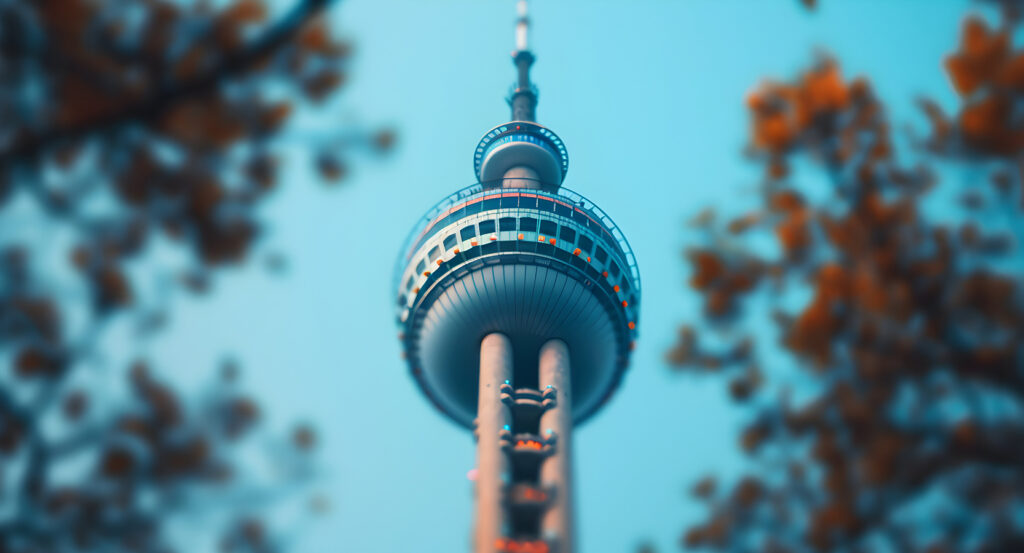
Why you should experience Shanghai History Museum in Shanghai, China.
The Shanghai History Museum, housed in the base of the Oriental Pearl Tower, is where the story of modern Shanghai begins, a sensory journey through the city's transformation from humble port to world metropolis.
Step inside, and the noise of Pudong fades into the hush of time. The museum unfolds like a film reel in motion: cobbled streets of Old Shanghai, recreated shopfronts, flickering trams, and the warm glow of gas lamps illuminating the lives of traders, artists, and dreamers. Every corridor feels alive with sound and scent, the hum of the Bund's ship horns, the murmur of merchants in tea houses, the click of a 1920s typewriter echoing beneath the amber light. It's more than nostalgia; it's immersion. You don't just observe Shanghai's past here, you inhabit it, one exquisite detail at a time.
What you didn't know about Shanghai History Museum.
The Shanghai History Museum was originally located inside the old Shanghai Race Club near People's Square, but was relocated and reimagined within the Oriental Pearl Tower in 2001, transforming the tower's base into a living archive of the city's soul.
Covering over 10,000 square meters, the museum traces the city's history from the Qing dynasty to the mid-20th century, focusing on Shanghai's meteoric rise as Asia's “Paris of the East.” The exhibits combine more than 1,000 historical artifacts, sculptural dioramas, and multimedia projections to recreate key moments in the city's evolution, from treaty port colonialism to the jazz-fueled nights of the 1930s. Highlights include a meticulously detailed 1:50 scale model of the Bund, complete with miniature trams, neon lights, and riverboats drifting down the Huangpu, as well as immersive installations that simulate life in the city's foreign concessions and Shikumen alleyways. Perhaps most captivating is the 1930s Nanjing Road reconstruction, where shop signs, fashion mannequins, and phonographs conjure a world long vanished yet eerily familiar. The museum's narrative is told not only through objects, but through atmosphere, layered soundtracks, ambient scents, and dynamic lighting draw you directly into the texture of time. Few visitors realize that the museum's design mirrors the circular layout of the Oriental Pearl Tower itself, symbolizing the cycle of past, present, and future that defines Shanghai's identity.
How to fold Shanghai History Museum into your trip.
The Shanghai History Museum at the Oriental Pearl Tower is the perfect first chapter to your exploration of Pudong, grounding the skyline's modern brilliance in the deep roots of its history.
Enter through the tower's B1 concourse, where ticket counters for both the museum and the tower's observation decks are located. You can visit the museum independently (tickets around 35 RMB) or as part of a combined Oriental Pearl Tower package. Allocate 45, 60 minutes to wander through the exhibits before ascending the tower, the flow of time between past and present is intentional, designed to make the view from above feel richer and more profound. Visit in the morning or early afternoon to avoid crowds and enjoy the museum's subtle lighting in full effect. The nearest metro stop, Lujiazui Station (Line 2), exits directly into the tower plaza. Before you leave, linger by the final gallery, a modern installation that projects Shanghai's skyline evolution from 1843 to the present, each frame dissolving into the next like a rising tide. Walking out into the bright air of Pudong afterward feels like stepping through history's final curtain. The Shanghai History Museum isn't just a record of what Shanghai was, it's a quiet, powerful reminder of what it still dares to become.
Where your story begins.
Start your planning journey with Foresyte Travel.
Experience immersive stories crafted for luxury travelers.