
Why you should experience Hotel Nafore in Seoul, South Korea.
Hotel Nafore is where calm Korean minimalism meets the cultural richness of Jongno, where clean, contemporary design blends seamlessly with the history-soaked streets of Central Seoul, and where stepping inside feels like entering a quiet, thoughtfully composed sanctuary just moments from palaces, temples, cafés, markets, and the creative pulse of the city.
Tucked into a peaceful side street between Jongno and Euljiro, the hotel rises with understated elegance, a simple, modern façade of glass and soft-toned stone that mirrors the quiet refinement of the neighborhoods surrounding it. Step inside and the atmosphere shifts instantly into a world of soft light, warm wood textures, gentle earth tones, and airy simplicity. The lobby's minimalist aesthetic creates a sense of immediate calm: uncluttered furniture, smooth surfaces, curated décor, and a peaceful stillness that contrasts beautifully with the lively energy just beyond the doors. Guest rooms carry this philosophy of quiet sophistication forward. Expect crisp bedding, warm lighting, clean architectural lines, natural wood accents, and an ambiance that emphasizes comfort. The design is fresh and modern, soft neutrals, simple forms, and thoughtful touches that make the rooms feel both soothing and efficient. Large windows bring in natural light and offer views of the surrounding alleys, rooftops, or the city's evolving skyline. Bathrooms are bright, sleek, and meticulously maintained, featuring walk-in showers, polished fixtures, and amenities chosen for ease and comfort. Suites introduce expanded layouts, wider seating areas, and additional calm-inducing space ideal for deeper rest or longer stays. One of the most surprising luxuries of Hotel Nafore is how quiet it feels despite being in the center of Seoul. The hotel's immediate surroundings, narrow streets, low-rise buildings, hidden cafés, and traditional storefronts, create a neighborhood-like intimacy, making it easy to unwind after full days of exploring palaces, galleries, and busy districts. Breakfast is simple, nourishing, and served in a bright, friendly dining space that feels more like a neighborhood café than a hotel restaurant. Fresh fruit, eggs, toast, Korean dishes, pastries, and warm coffee create a comfortable, low-key start to your morning. The dining environment is relaxed, unpretentious, and filled with soft morning light that eases you into the day, a welcome contrast to the intensity of Seoul's urban energy. Service is warm, welcoming, and thoughtfully attentive. Staff members greet you with genuine kindness, help with directions, offer dining recommendations, provide logistical guidance, and maintain the sort of unforced hospitality that makes the hotel feel approachable and human. Their warmth amplifies the hotel's greatest strengths: calmness, comfort, and simplicity. And the location is extraordinary. Hotel Nafore sits at the intersection of some of Seoul's most culturally rich districts. Within an easy walk, you can reach Insadong's craft-filled lanes, Jogyesa Temple's glowing lanterns, Gwanghwamun's grand plaza, and Bukchon Hanok Village's panoramic viewpoints. Just a few steps in the opposite direction, Euljiro unfolds, Seoul's creative industrial district, filled with metal workshops turned into coffee roasters, bars, art studios, and trendy eateries. Cheonggyecheon Stream flows just behind the neighborhood, offering a beautiful place for nighttime walks.
What you should know about Hotel Nafore.
Hotel Nafore stands on land that once formed part of a small but culturally significant residential network supporting Jongno's artisans, scholars, and tradespeople, a neighborhood whose evolution reflects centuries of Korean craftsmanship, commerce, and everyday life.
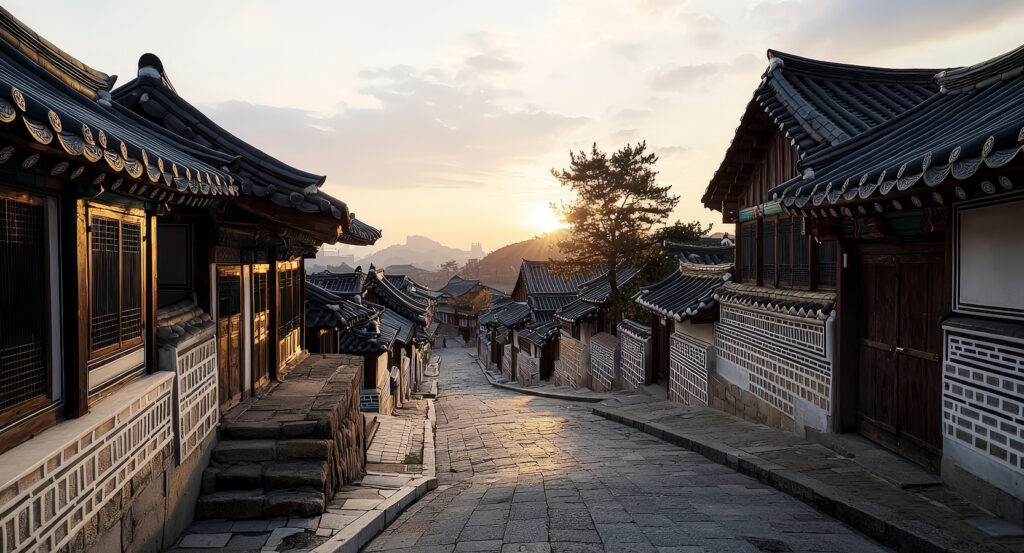
During the Joseon Dynasty, this area sat just east of the main administrative zone surrounding Gyeongbokgung and Changdeokgung Palaces. The land beneath the hotel and its immediate surroundings were filled with modest hanok homes inhabited by craftsmen, merchants, and lower-ranking scholars who lived near the heart of the kingdom's political and cultural activity. Numerous small workshops once occupied these narrow alleys, brush makers, seal carvers, hanji (traditional paper) producers, textile dyers, and carpenters who supplied tools and materials for the literati and palace officials. Because the district was not part of the elite residential zone, it developed organically: little alleyways grew around shared courtyards, wells, storage rooms, and family-run shops. Historical documents and early maps indicate that the specific block Hotel Nafore sits on was once home to a cluster of small hanok that functioned as both living quarters and craft studios. These buildings changed hands frequently, especially during the late 19th and early 20th centuries when Jongno became a commercial hub under rapid modernization. During the Japanese occupation, parts of this neighborhood were repurposed into administrative structures and small commercial buildings, altering the traditional street pattern but preserving many of the narrow lanes that still define the district today. After Korea's liberation and through the decades that followed, the area continued to evolve, shifting from a workshop-heavy district into a mix of housing, independent businesses, printing shops, metalwork studios, and small restaurants, the early foundations of what is now the creative Euljiro corridor. Excavation work during redevelopment efforts in nearby lots uncovered shards of celadon pottery, fragments of ink stones, roof tiles, and handmade paper remnants, subtle material traces of the centuries of craftsmanship embedded in the land. Hotel Nafore's tranquil, minimalist design pays quiet tribute to this legacy, echoing the simplicity and groundedness of traditional Korean living while embracing the clarity and light of modern Seoul. Today, it stands at the convergence of old and new, a modern refuge rooted in a long history of artisanship, creativity, and neighborhood life.
How to fold Hotel Nafore into your trip.
Hotel Nafore becomes your peaceful, well-connected home base in Seoul, where mornings begin with slow wanders through historic alleys, afternoons unfold into palace visits and cultural neighborhoods, and evenings settle into warm lights, cafés, and the comforting calm of Jongno's quieter corners.
Start the morning with a peaceful walk along Cheonggyecheon Stream before the city fully wakes, then wander toward Insadong to explore pottery studios, calligraphy shops, galleries, and traditional craft stores. From there, make your way to Gyeongbokgung or Changdeokgung Palace for grand architecture, mountain views, and serene courtyards filled with history. Return to the hotel midday for a quiet break, a cup of tea, a moment of rest, or time to reset before continuing your day. In the afternoon, explore Euljiro's creative industrial alleys lined with cafés, dessert shops, breweries, and art-forward spaces hidden inside former metal workshops. For a deeper cultural dive, walk to Bukchon Hanok Village for traditional homes and scenic viewpoints or visit the National Museum of Modern and Contemporary Art near Samcheong-dong. As evening arrives, dive into Jongno's dining world: Korean BBQ, noodle houses, modern Korean cuisine, cozy taverns, and dessert cafés all sit a short walk away. After dinner, enjoy a soft-lit stroll along the stream or through the narrow alleys that reveal a quieter side of the city at night.
Where your story begins.
Foresyte Travel reveals places that feel extraordinary long before you arrive.
Experience premium editorial crafted for luxury travelers.

















































































































