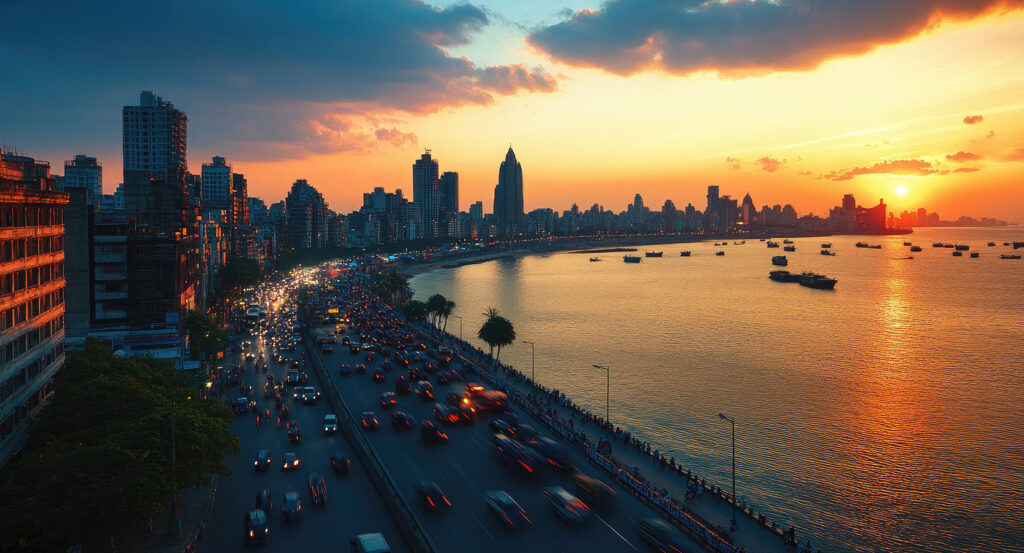
Why you should experience Hotel Residency in Mumbai, India.
Hotel Residency is where the city's original commercial heartbeat, intellectual cadence, and lived-in dignity quietly converge into a stay that feels observant, grounding, and almost conspiratorially well placed.
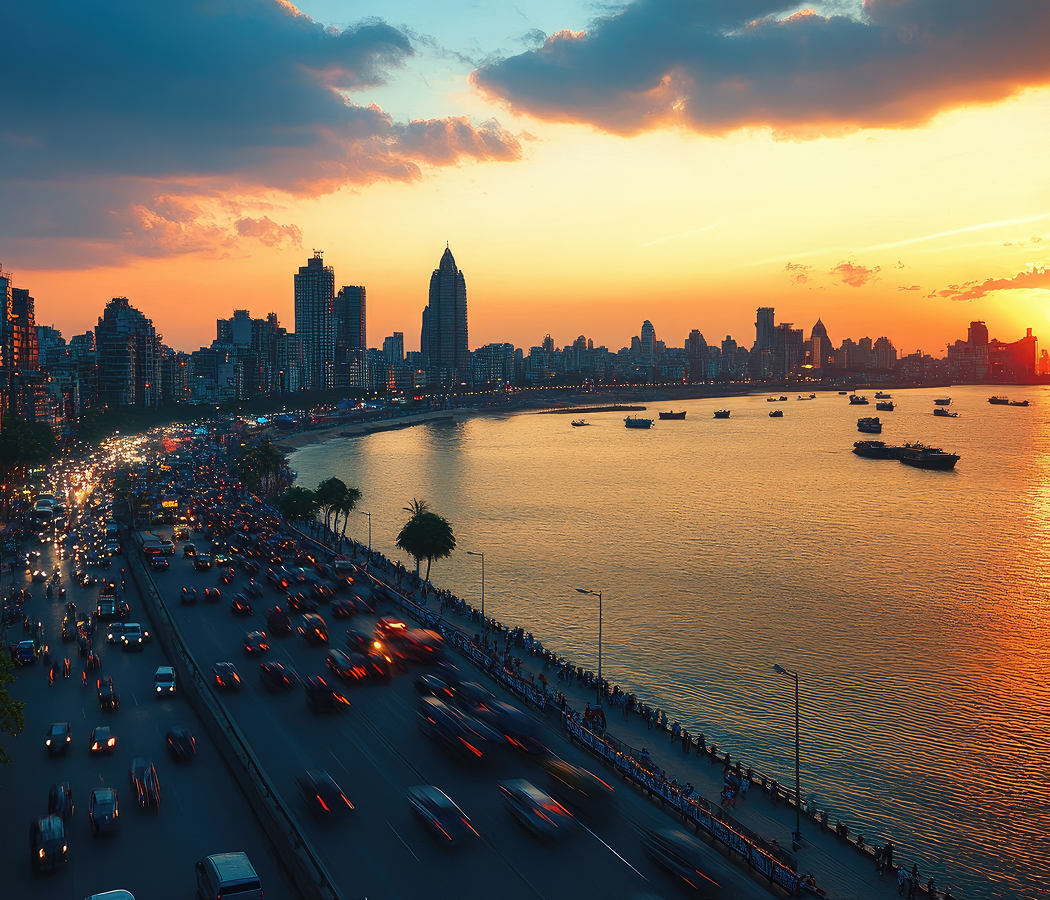
This is not Mumbai screaming for your attention or polishing itself into spectacle; this is Mumbai speaking in a lower register, confident that you're listening. Located in Fort, the historic core where the city learned how to conduct business, argue ideas, and move with purpose, Hotel Residency exists inside a neighborhood shaped by contracts signed longhand, courtrooms echoing with precedent, and cafés where conversations matter more than volume. Arrival feels intentional. You step out of traffic into a space that immediately signals order and calm, a subtle recalibration from the city's relentless physical push. The lobby is composed and practical, warm without ornament, designed to orient rather than impress. There is a distinct sense that this hotel was built for people who come to Mumbai to do something, not merely to consume it. Fort asserts itself the moment you look outside: colonial-era façades standing with quiet authority, narrow streets laid out with logic rather than flourish, bookstores, banks, legal chambers, and institutions forming a dense but legible grid. Hotel Residency does not interrupt this rhythm; it aligns with it. Rooms carry this same intelligence forward. They are comfortable, orderly, and thoughtfully arranged, offering genuine rest in a district defined more by mental intensity than noise. Interiors favor warmth and function over trend, with supportive beds designed for real sleep, uncluttered workspaces that invite focus, and lighting that adapts gently from morning clarity to evening calm. Windows frame Fort's streets and architecture, allowing you to observe the city at work. Bathrooms reinforce this sense of ease, with walk-in showers, reliable water pressure, ample counter space, and a feeling that daily routines here are meant to be efficient. Dining spaces reflect the hotel's pragmatic elegance. Meals are nourishing, unpretentious, and well paced, designed to support days shaped by meetings, walking, research, or exploration rather than indulgence for its own sake. Service throughout Hotel Residency is warm, professional, and quietly attentive. Staff engage with respect and clarity, offering guidance, remembering preferences, and creating continuity. This is a hotel that does not attempt to redefine Mumbai or dramatize it. It gives you something rarer: a stable vantage point from which the city becomes legible, navigable, and intellectually alive.
What you should know about Hotel Residency.
Hotel Residency reflects an older, deeply rooted idea of hospitality, one shaped by trust, repetition, and the city's long-standing commercial conscience.
Fort is where modern Mumbai learned how to function. As the historic center of trade, law, publishing, and governance, it has always attracted people whose relationship with the city is measured. Hotel Residency emerged to serve precisely this population, and its character has matured alongside the neighborhood. What many guests do not realize is how deliberately the hotel positions itself as an extension of Fort's working life. This is not a destination hotel built to dazzle; it is a support structure for people who come to Mumbai with purpose. Lawyers preparing cases, consultants navigating long days, academics researching archives, journalists following stories, and repeat business travelers form the hotel's quiet backbone, shaping an atmosphere that feels intellectually steady and emotionally neutral in the best possible way. Design choices reflect this character clearly. Instead of chasing visual drama or boutique theatrics, spaces are maintained for clarity, durability, and ease of use. This restraint is not accidental; it is a form of respect for guests who value predictability and calm over novelty. Culturally, Hotel Residency attracts return visitors who come back precisely because the experience remains consistent. Service culture emphasizes recognition and continuity, with staff often remembering names, routines, and preferences across multiple stays, creating a sense of familiarity that feels increasingly rare in large cities. Operationally, the hotel has weathered decades of change in South Mumbai, adapting quietly to evolving traveler needs. It has remained relevant not by reinvention, but by reliability. The surrounding neighborhood reinforces this grounding. Within walking distance are institutions, libraries, galleries, historic buildings, and cafés that reflect Mumbai's intellectual and mercantile heritage. Staying here places you inside the city's original conversation. Hotel Residency represents a form of Indian hospitality that understands luxury not as excess or aspiration, but as stability, competence, and the absence of friction in a demanding urban environment.
How to fold Hotel Residency into your trip.
Hotel Residency works best when you let it organize your time around clarity, walkability, and quiet immersion.
Begin your mornings early, when Fort feels most itself. Streets are calm, buildings stand in crisp relief, and the city's working day assembles. Step out for a walk before appointments or exploration, noticing how Fort reveals Mumbai's foundational logic through its architecture, layout, and rhythm. Breakfast should be unhurried and grounding, setting a tone of steadiness. Late mornings and afternoons are ideal for walking-based exploration. Museums, galleries, bookstores, cafés, historic streets, and institutions are all accessible without transport, allowing the city to unfold gradually instead of in fragments. Return to the hotel midday if needed. Even a short pause in your room, a shower, or a quiet moment of stillness allows mental fatigue to reset before it compounds. In the afternoon, venture outward selectively. Choose fewer engagements, but engage them fully; Fort rewards attention more than speed. As evening approaches, the neighborhood softens. Offices empty, streets quiet, and the city's older rhythms reassert themselves. Return “home,” change clothes, and decide whether dinner will be nearby or simple and early. This is not a nightlife-driven stay, and that is its strength. On your final morning, resist the instinct to rush north or outward. Take one last walk through Fort's streets, one last moment of orientation before departure. Hotel Residency does not linger in memory as performance or indulgence. It stays with you as a state of mind: clarity, competence, and the rare experience of having inhabited Mumbai from a place that understood the city's original purpose and allowed you to meet it on equal terms.
Where your story begins.
Foresyte Travel reveals places that feel extraordinary long before you arrive.
Experience premium editorial crafted for luxury travelers.