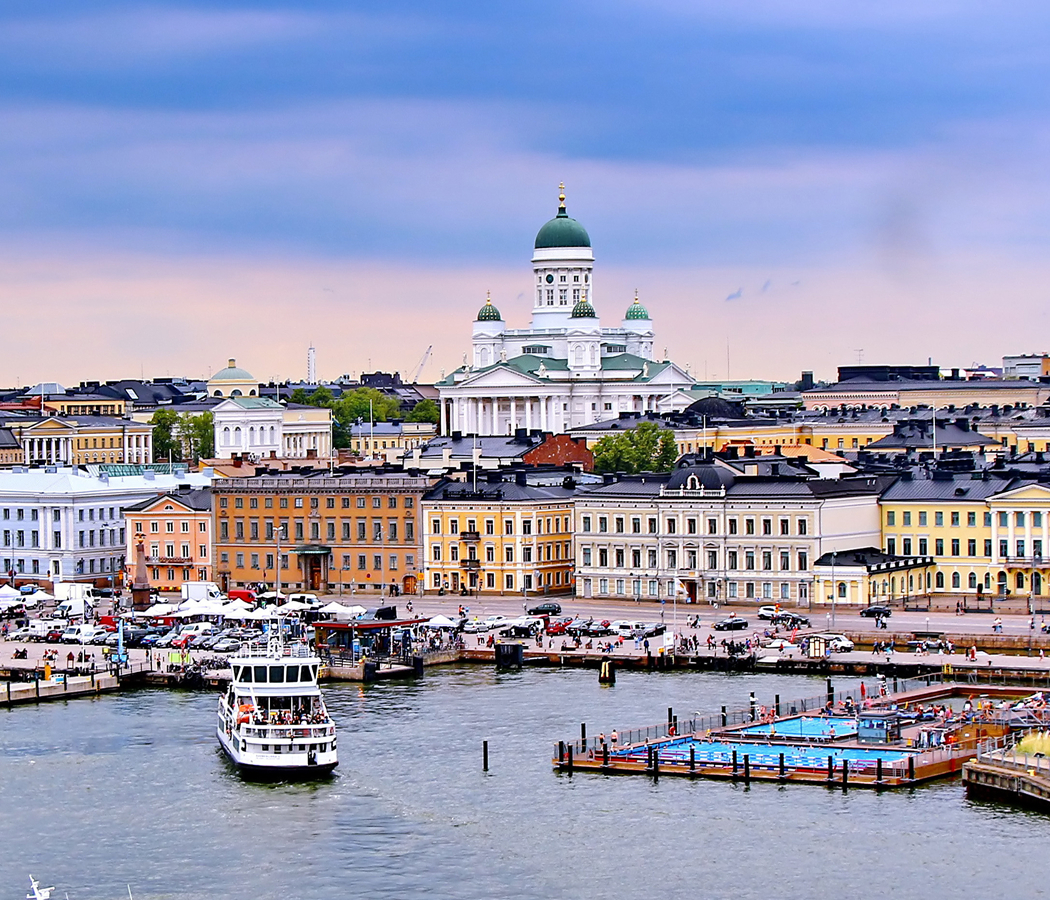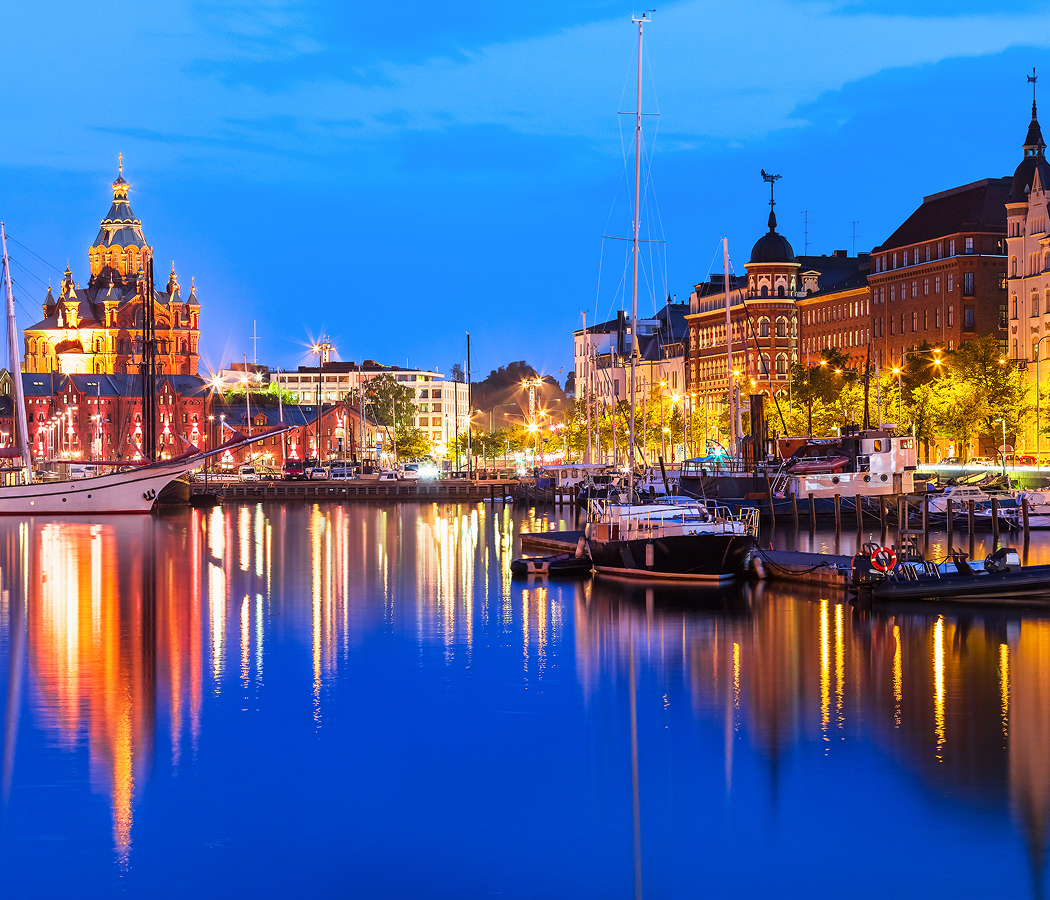
Why you should experience Klaus K Hotel in Helsinki, Finland.
Klaus K Hotel is a myth-infused urban hotel that approaches Helsinki through narrative, imagination, and resonant contrast, offering a stay that feels theatrical, intimate, and deliberately untethered from conventional Nordic restraint.
This is not a hotel that aims to be neutral. From the moment you arrive, Klaus K signals that it exists in a parallel register, one where story, mood, and symbolism are allowed to shape space. Located near the city's cultural core, the hotel draws energy from its surroundings but transforms it internally. Arrival feels like crossing into a different layer of the city. Public interiors are dark, expressive, and intentionally dramatic, using shadow, color, and texture to create atmosphere. Spaces are designed to be felt before they are understood. Seating is intimate and deliberate, encouraging presence. Lighting is low and sculptural, guiding attention. The tone is bold, mysterious, and unapologetically expressive, a hotel that invites you to lean in. Guest rooms continue this sense of authored experience. Layouts vary, reinforcing individuality over standardization. Beds feel indulgent and central, positioned as places of retreat within a story-driven environment. Design choices are layered and emotive, rich textiles, contrasting materials, and color palettes that evoke mood. Windows frame the city as backdrop rather than focal point, keeping attention inward. Acoustic conditions support immersion, muting the outside world so the interior narrative remains intact. Bathrooms are sleek and modern, offering clean contrast to the surrounding theatricality and grounding the experience in comfort. Across the property, Klaus K Hotel feels intentional, immersive, and unapologetically different. It is ideal for travelers who want Helsinki to feel imaginative and emotionally charged, a city experienced through story.
What you should know about Klaus K Hotel.
Klaus K Hotel is structured around narrative tension, the deliberate blend between darkness and light, fantasy and reality, and this tension quietly shapes how the hotel holds attention over time.
Rather than smoothing experience into neutrality, the hotel embraces contrast. Public spaces are designed to feel slightly compressed, heightening awareness and resonant presence. Movement through the building feels episodic rather than linear, as if you are progressing through scenes instead of corridors. Materials are chosen for their physical impact: surfaces that absorb light, fabrics that invite touch, finishes that feel intentional. This creates an environment that rewards resonant engagement. Acoustic design reinforces this immersion. Exterior city noise is subdued so the interior world can assert itself fully, allowing guests to remain inside the hotel's narrative even in the heart of the city. Lighting is the hotel's most powerful tool. It is used not simply to illuminate, but to direct feeling, shadows are preserved, corners are softened, and brightness is applied selectively to draw focus. Service culture mirrors this expressive confidence. Interactions are relaxed and assured, allowing the hotel's character to remain front and center rather than being overridden by procedural hospitality. Assistance feels present. Another understated strength of Klaus K is how well it supports resonant escape. While the environment is immersive, it does not disconnect you from Helsinki. Instead, it reframes the city as something you return to selectively, on your own terms. Over multiple nights, the hotel does not fade into the background. It remains a character in your stay, one that evolves subtly as your familiarity deepens. Klaus K Hotel does not attempt to represent Helsinki as it is commonly understood. It draws from deeper cultural myth and resonant undercurrents, offering a version of the city that feels symbolic.
How to fold Klaus K Hotel into your trip.
Klaus K Hotel works best when you allow it to function as a resonant counterpoint rather than a neutral base, a place that shapes how the city feels before and after you step outside.
Begin your mornings slowly. Let the hotel's interior mood linger before reentering the city, allowing contrast rather than immediacy to guide your pace. From here, cultural venues, theaters, and galleries are within reach, making it easy to extend the hotel's narrative outward into your day. Return midday. The hotel absorbs these pauses naturally, allowing you to reset. Afternoons pair well with experiences that echo the hotel's sensibility, exhibitions, performances, long lunches, or wandering streets where the city reveals texture. Evenings are where Klaus K shines most clearly. Begin or end your night here, using the hotel as a frame. Over longer stays, this rhythm becomes intentional. Helsinki begins to feel layered rather than flat, a city with both surface and depth. Business travelers who value individuality over uniformity will find the environment stimulating. Leisure travelers gain something rarer: a stay that feels authored, memorable, and emotionally distinct. Anchoring your time at Klaus K Hotel allows Helsinki to be experienced through imagination and contrast. The hotel does not attempt to calm the city or clarify it. It adds dimension, offering a place where story, mood, and myth are allowed to coexist with everyday life, and where your stay becomes part of the narrative rather than a neutral pause between destinations.
Where your story begins.
Foresyte Travel reveals places that feel extraordinary long before you arrive.
Experience premium editorial crafted for luxury travelers.