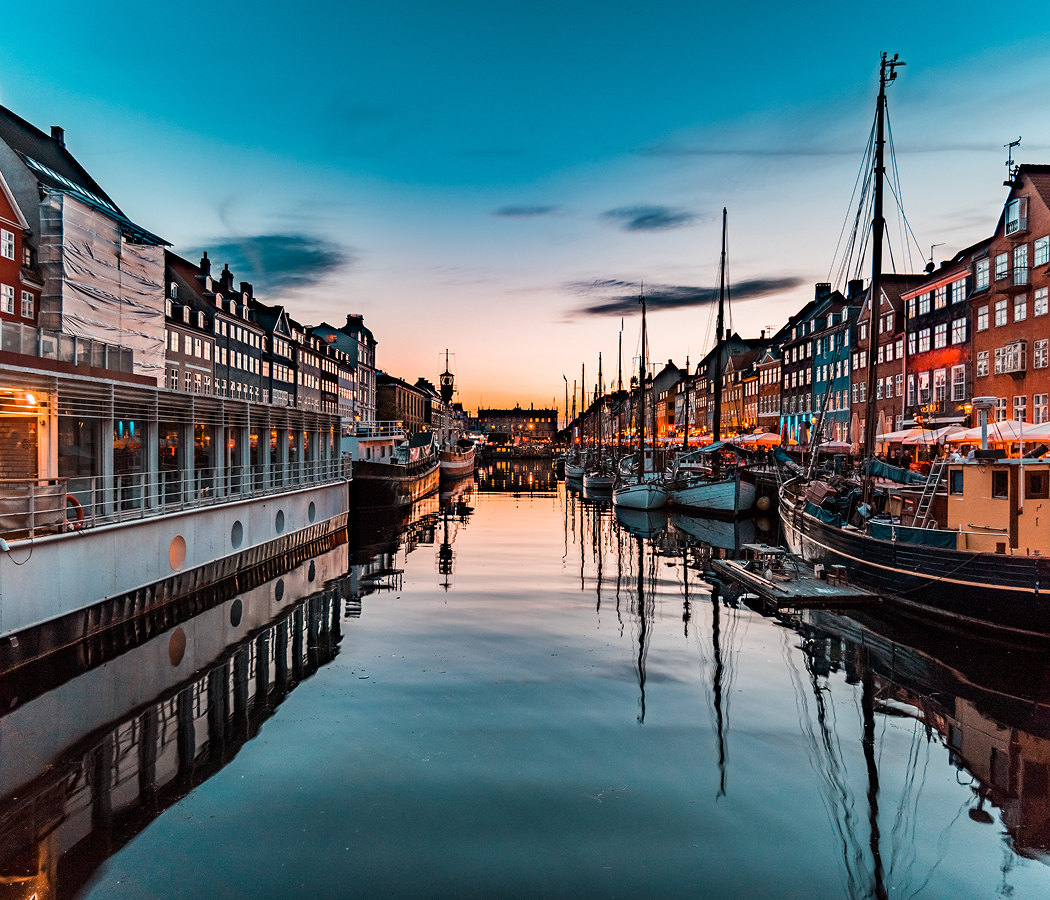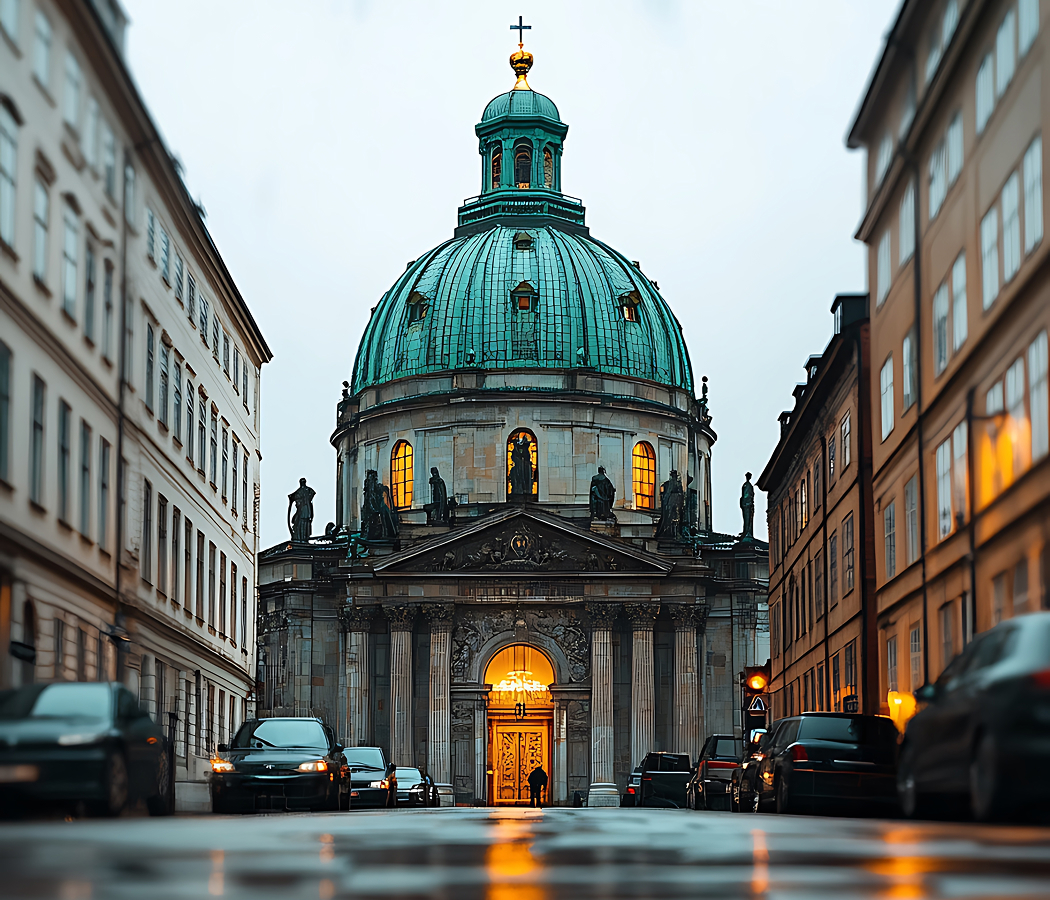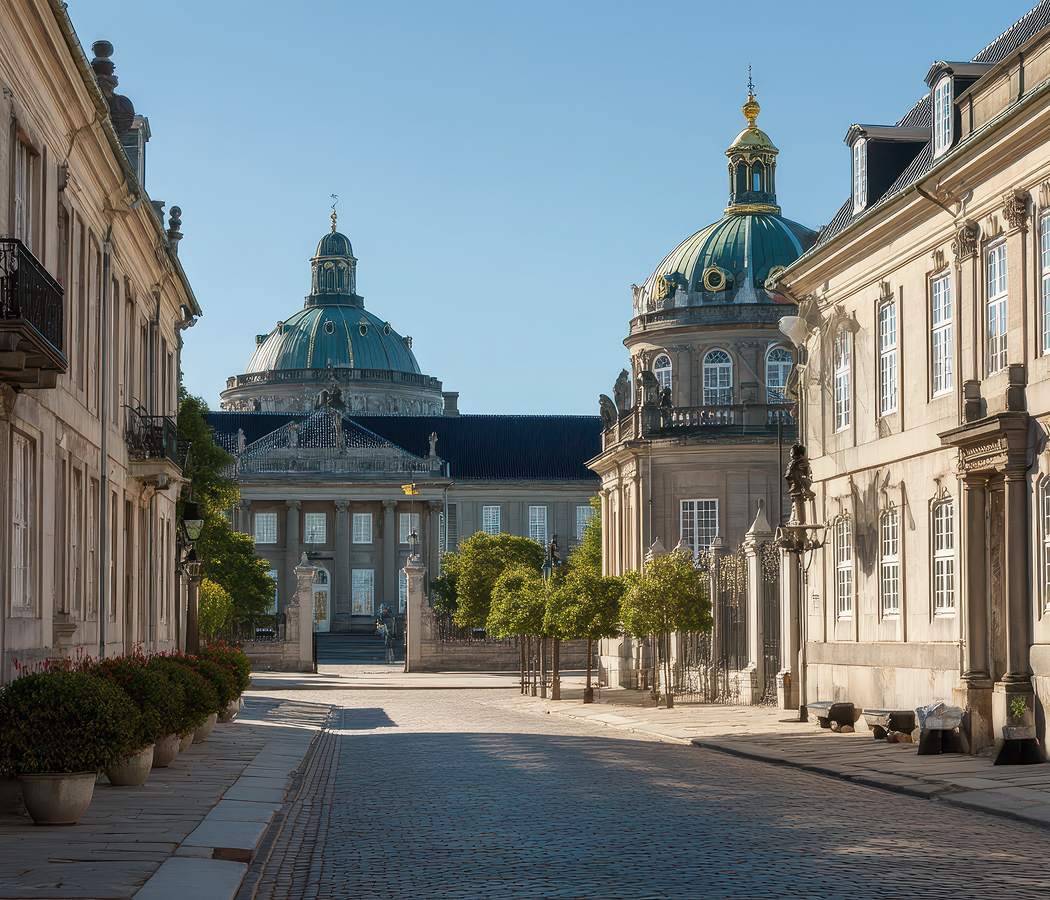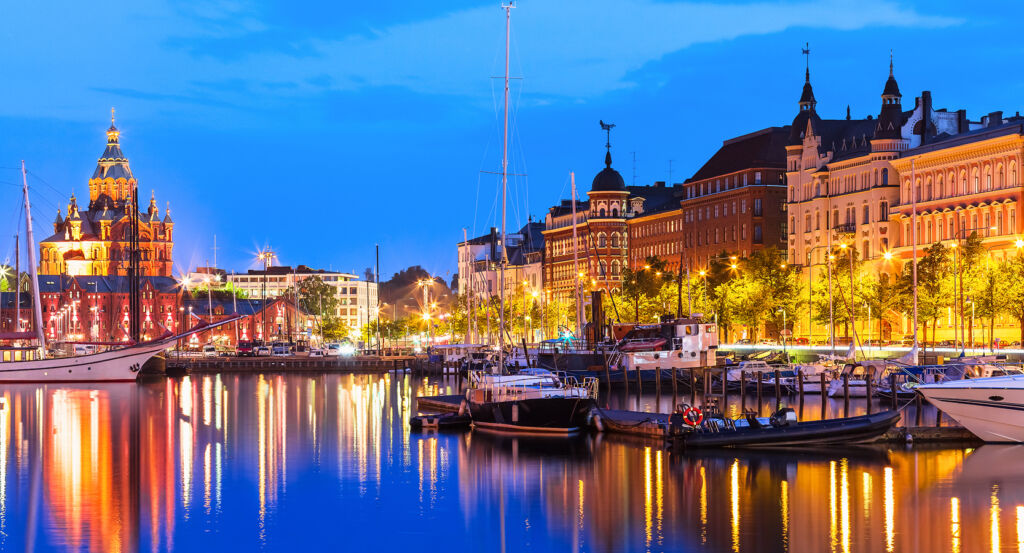
Why you should experience Hilton Helsinki Strand in Helsinki, Finland.
Hilton Helsinki Strand is a composed waterfront city hotel that reframes Helsinki through light, water, and spatial calm, offering a stay that feels grounded, open, and quietly authoritative.
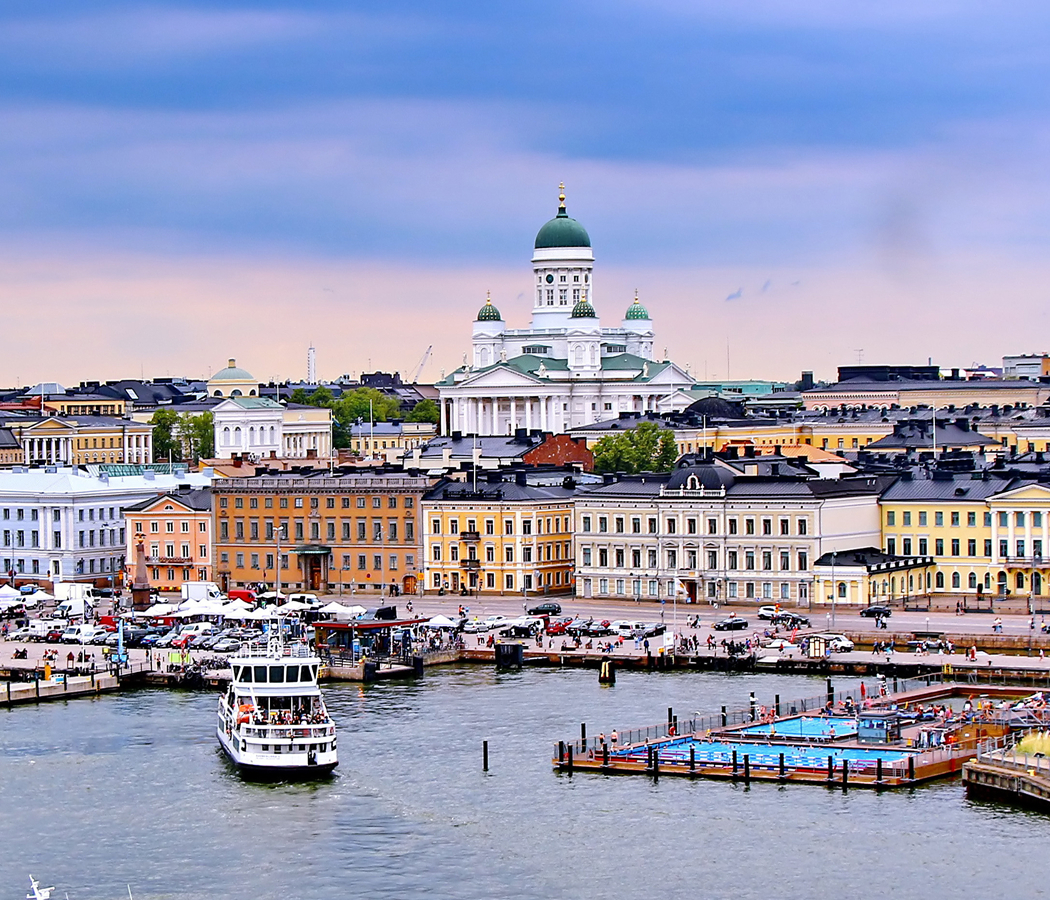
Set along the edge of Töölönlahti Bay, the hotel occupies a rare position where the city loosens its grip. You are still firmly central, yet immediately oriented toward water, sky, and long sightlines. Arrival feels deliberate and settling. The building presents itself with confidence, but the interior experience softens that authority into balance. Public spaces are expansive without being theatrical, designed to absorb presence rather than amplify it. Circulation is clear and unforced, allowing movement to feel natural. Seating areas are positioned to support pause, reflection, and quiet conversation, often oriented toward water views that subtly slow the nervous system. Lighting favors brightness and clarity during the day, transitioning smoothly into warm, even tones in the evening. The atmosphere communicates steadiness, a hotel that knows it does not need to compete with its setting because it complements it. Guest rooms continue this relationship with space and calm. Layouts are generous and intuitively arranged, allowing you to unpack, settle, and inhabit the room. Beds are engineered for deep, reliable sleep, supported by acoustic conditions that keep the city present as distant context. Windows often open onto Töölönlahti, city rooftops, or open sky, reinforcing a sense of breadth that is rare in Central Helsinki accommodations. Bathrooms are well-proportioned and practical, designed around ease of movement and routine. Across the property, the experience feels balanced, legible, and restorative. Hilton Helsinki Strand is ideal for travelers who want Helsinki to feel open and breathable, a city experienced through light, water, and composure.
What you should know about Hilton Helsinki Strand.
Hilton Helsinki Strand is designed around visual decompression, the intentional use of distance, horizon, and orientation to reduce cognitive and physical load, and this principle quietly shapes how the hotel supports longer, more sustainable stays.
Rather than isolating guests from the city, the hotel reorients them within it. Water becomes the primary visual anchor instead of streets or structures. This matters more than it seems. Long, uninterrupted sightlines allow the mind to rest without disengaging, which is especially valuable after days spent navigating urban environments. Interior design reinforces this decompression. Public areas avoid visual clutter, relying on proportion, symmetry, and material continuity. Circulation paths are wide and predictable, reducing micro-stressors associated with navigation and crowding. Materials are chosen for durability and neutrality, allowing surfaces to recede. Acoustic design plays a critical role. Exterior city sounds, traffic, pedestrian movement, distant activity, are softened into a low, even presence. The city remains perceptible. Lighting supports circadian rhythm. Daylight is maximized where possible, and artificial lighting remains even and warm, helping the body transition naturally between activity and rest. Service culture mirrors this composed environment. Interactions are professional, calm, and precise. Assistance is delivered efficiently and then withdrawn without ceremony, supporting autonomy rather than scripted engagement. Another understated strength of the hotel is how well it supports repetition. Returns throughout the day feel identical, calm, legible, and easy. There is no recalibration cost. Over multiple nights, this predictability becomes a form of luxury: the hotel stops consuming attention and starts preserving it. Hilton Helsinki Strand does not attempt to define Helsinki or aestheticize its identity. It uses orientation and space to create conditions where the city can be experienced clearly.
How to fold Hilton Helsinki Strand into your trip.
Hilton Helsinki Strand works best when you let its waterfront position shape the rhythm of your stay rather than treating it as a simple place to sleep.
Begin your mornings with openness. Walk along Töölönlahti Bay as the city wakes, letting water, light, and movement set a calm, expansive tone before you head deeper into Helsinki's civic and cultural zones. From the hotel, entering the city feels gradual. Use this transition intentionally. Return midday. The hotel's scale and visual calm make these pauses genuinely restorative, allowing you to reset, plan, or simply sit. Afternoons are well-suited to deeper engagement, museums, long walks, design districts, or waterfront routes, knowing your base remains open, quiet, and grounding. Evenings unfold with flexibility. Dine centrally, attend performances, or wander illuminated streets before returning to an environment that supports real decompression. For longer stays, this rhythm becomes increasingly valuable. Days feel continuous. Helsinki reveals itself through repetition and presence. Business travelers benefit from the hotel's ability to absorb demanding schedules without amplifying stress, while leisure travelers gain perspective, the experience of Helsinki as a city of space and light rather than just points on a map. Anchoring your stay at Hilton Helsinki Strand allows the city to be encountered with balance and clarity. The hotel does not dramatize Helsinki or retreat from it. It offers something more durable: orientation, openness, and a steady base that preserves energy so the city can be experienced fully, calmly, and on your own terms.
Where your story begins.
Foresyte Travel reveals places that feel extraordinary long before you arrive.
Experience premium editorial crafted for luxury travelers.