Why you should experience Amaliehaven in Copenhagen, Denmark.
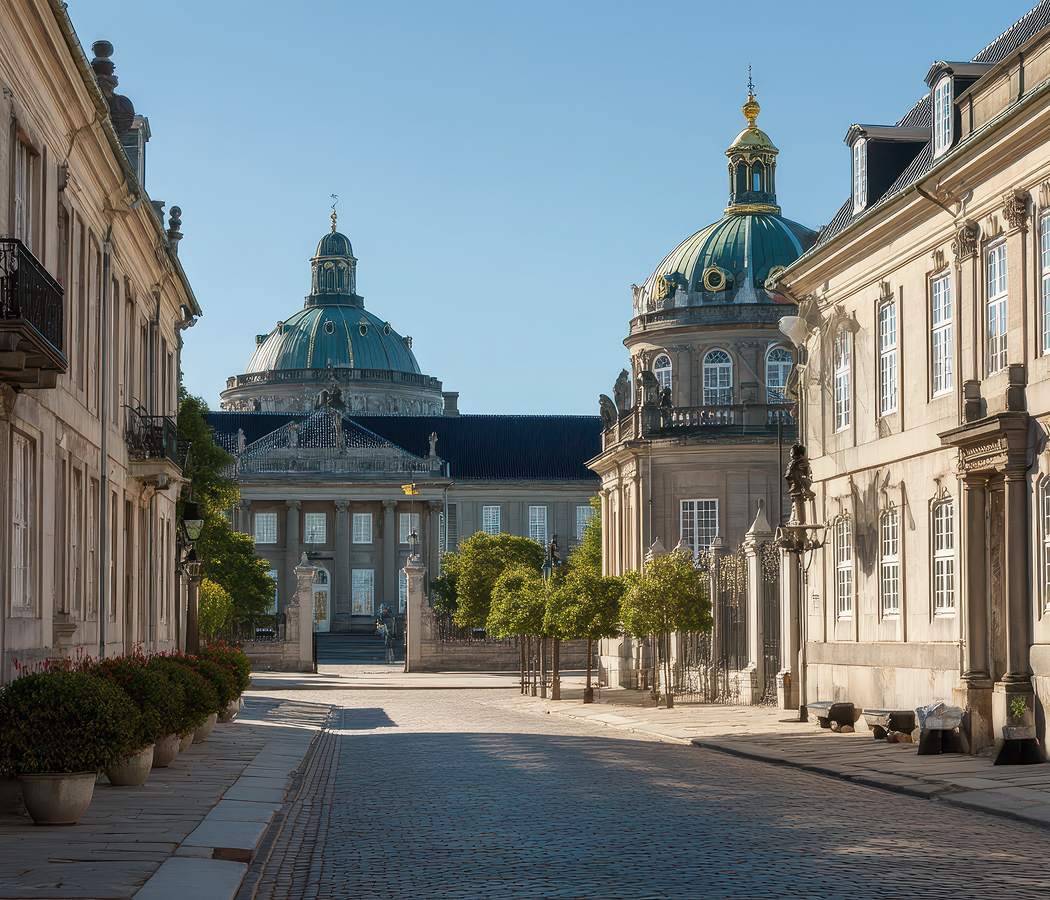
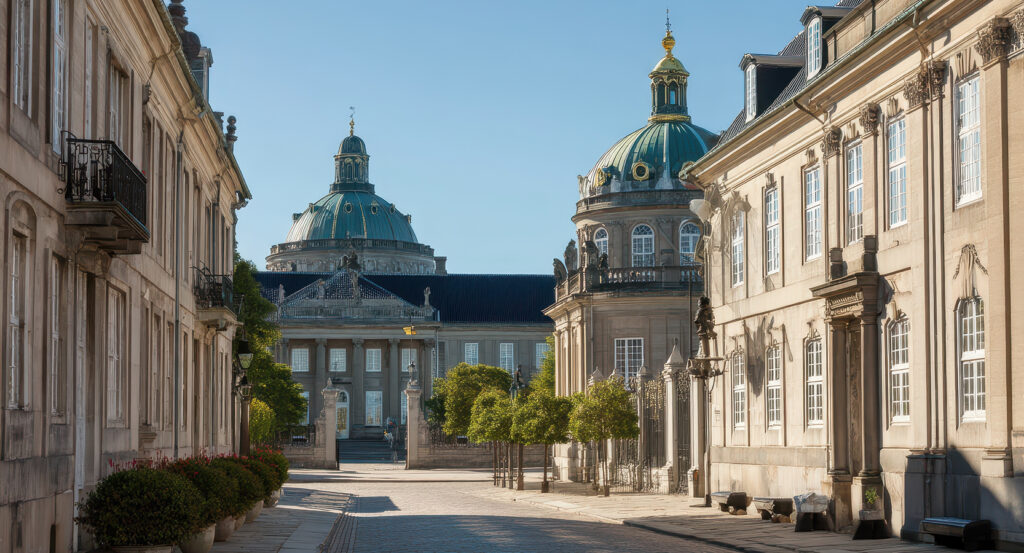
Amaliehaven, or Amalie Garden, at Amalienborg Palace in Copenhagen feels like the city taking a breath, a rare, tranquil harmony between royal grandeur and open-air calm.
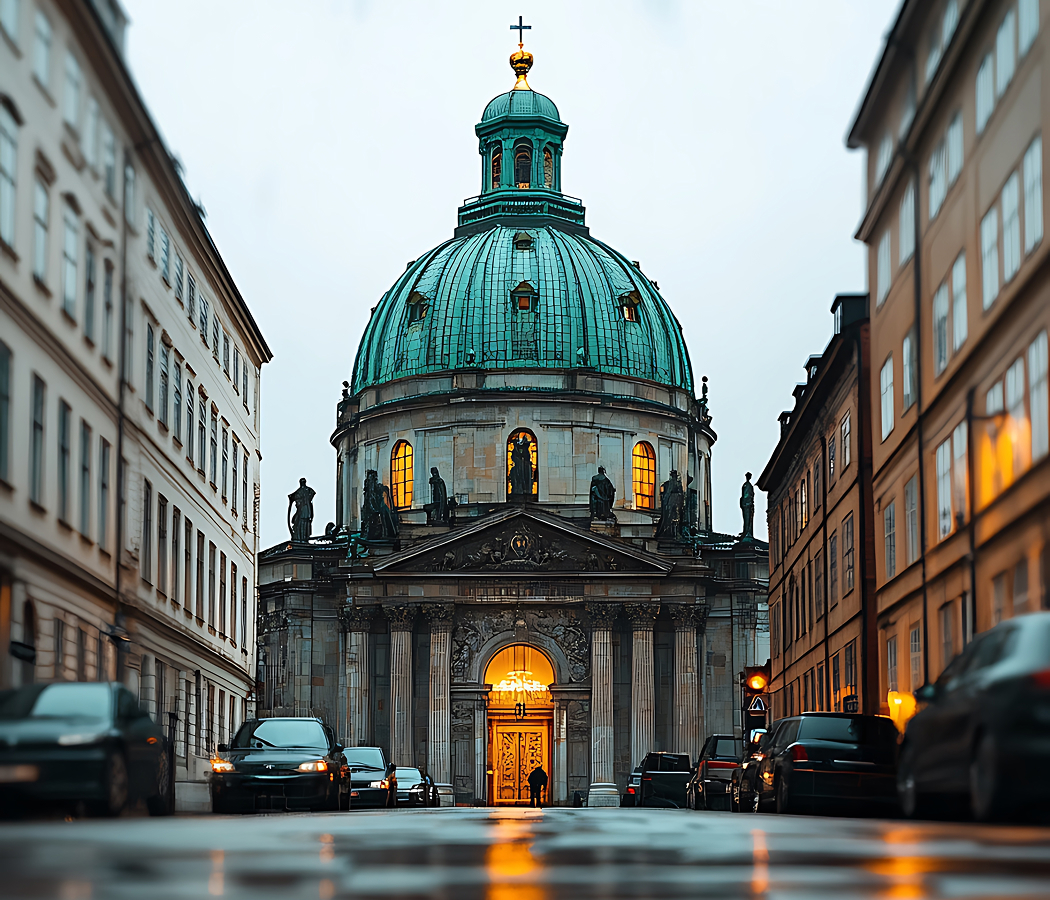
Tucked between the palace square and the waterfront, this elegant garden unfolds in symmetrical terraces that lead your gaze from the Marble Church's soaring dome to the glimmering expanse of the harbor. Granite fountains rise and fall in rhythmic dance, their arcs of water catching sunlight like strands of crystal. The garden's geometric order, manicured hedges, smooth stone pathways, and sculpted lawns, balances the energy of the surrounding architecture, softening the formal grandeur of the royal district with serenity and grace. Walk its central promenade, and you'll feel the hum of the city fade into stillness, replaced by the whisper of fountains and the cry of gulls overhead. It's not just a public park, it's a living threshold between Copenhagen's royal legacy and its modern soul.
What you should know about Amaliehaven.
Amaliehaven was born from a vision to reconnect the royal heart of Copenhagen with the pulse of the sea.
Completed in 1983 and designed by landscape architect Jean Delogne, it was a gift from the A.P. Møller and Chastine Mc-Kinney Møller Foundation to mark the shipping company's 70th anniversary. The design's perfection lies in its restraint, a modern interpretation of Baroque formality, rendered in Scandinavian minimalism. Beneath its quiet beauty lies symbolism: the fountains mirror the rhythm of the tides, while the double row of trees along the central axis echoes the balance of power between monarchy and people. The garden's symmetry aligns perfectly with the Amalienborg axis, extending the line that connects the Marble Church, the royal square, and the harbor beyond. Few visitors realize the site once lay derelict, a neglected dockyard that was reborn into a masterpiece of urban renewal. Even the materials tell a story: granite from Bornholm, bronze sculptures from Danish artists, and subtle lighting that bathes the garden in golden glow after dusk. The fountains' choreography shifts throughout the day, rising higher in the morning sun and lowering as twilight deepens, a living heartbeat written in water.
How to fold Amaliehaven into your trip.
Amaliehaven is best experienced slowly, not as a detour, but as a pause between royal history and city rhythm.
Enter from the harbor side after visiting Amalienborg Palace, and let the sea breeze guide your steps along the central promenade. Sit on one of the polished granite benches and watch as the fountains catch reflections of the Marble Church dome, turning its silhouette into ripples of light. Photographers will find magic here during the golden hour, when the royal façades glow and the water mirrors a perfect Copenhagen sunset. In summer, locals gather for quiet picnics or to read beneath the trees, while in winter, the garden becomes a contemplative retreat, its symmetry sharp against pale Nordic skies. Combine your visit with a stroll along the nearby waterfront path toward the Opera House for a full view of the city's royal axis from sea to spire. Amaliehaven at Amalienborg Palace in Copenhagen isn't just a scenic space, it's an architectural poem, a meeting of earth, water, and light that reminds you how beauty, when perfectly balanced, can quiet even the noisiest heart.
Where your story begins.
Foresyte Travel reveals places that feel extraordinary long before you arrive.
Experience premium editorial crafted for luxury travelers.