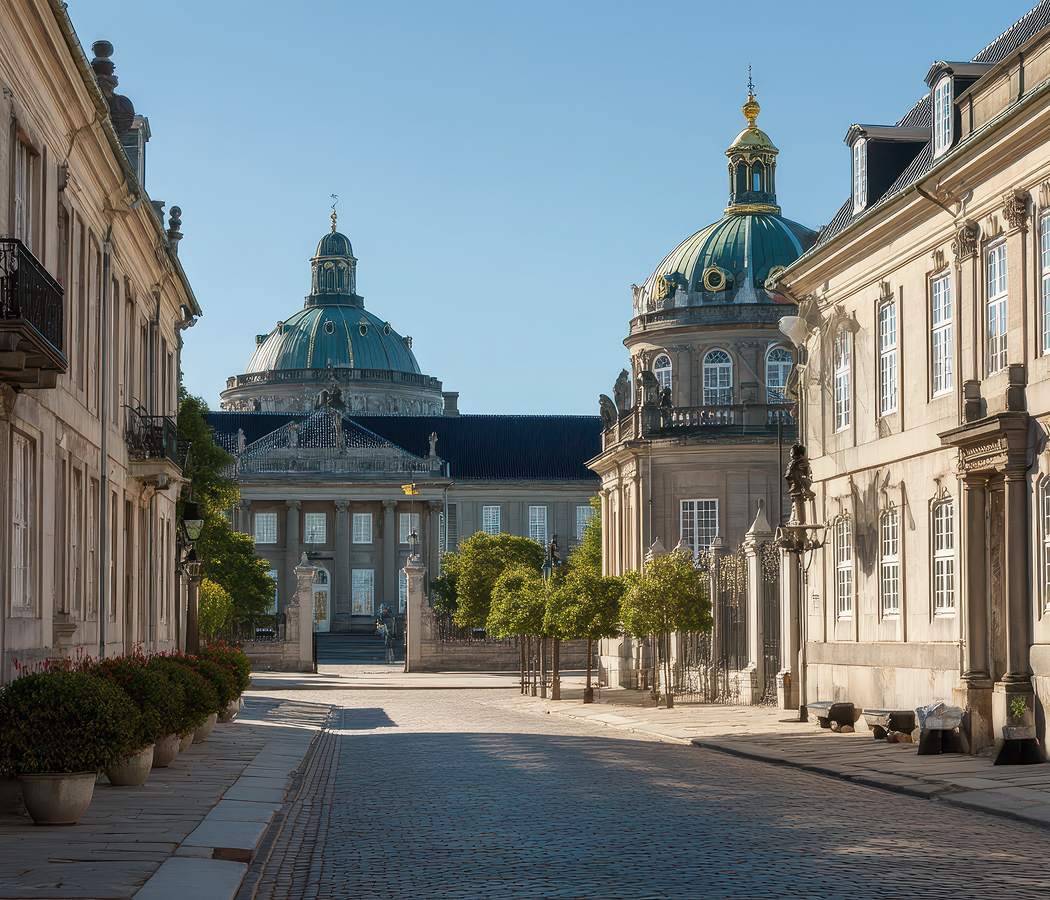
Why you should experience Backstage Hotel in Stockholm, Sweden.
Backstage Hotel is where theatrical heritage, creative intimacy, and Djurgården's quiet grandeur converge, offering a stay that feels deliberately offstage, deeply atmospheric, and tuned to those who value narrative over noise.
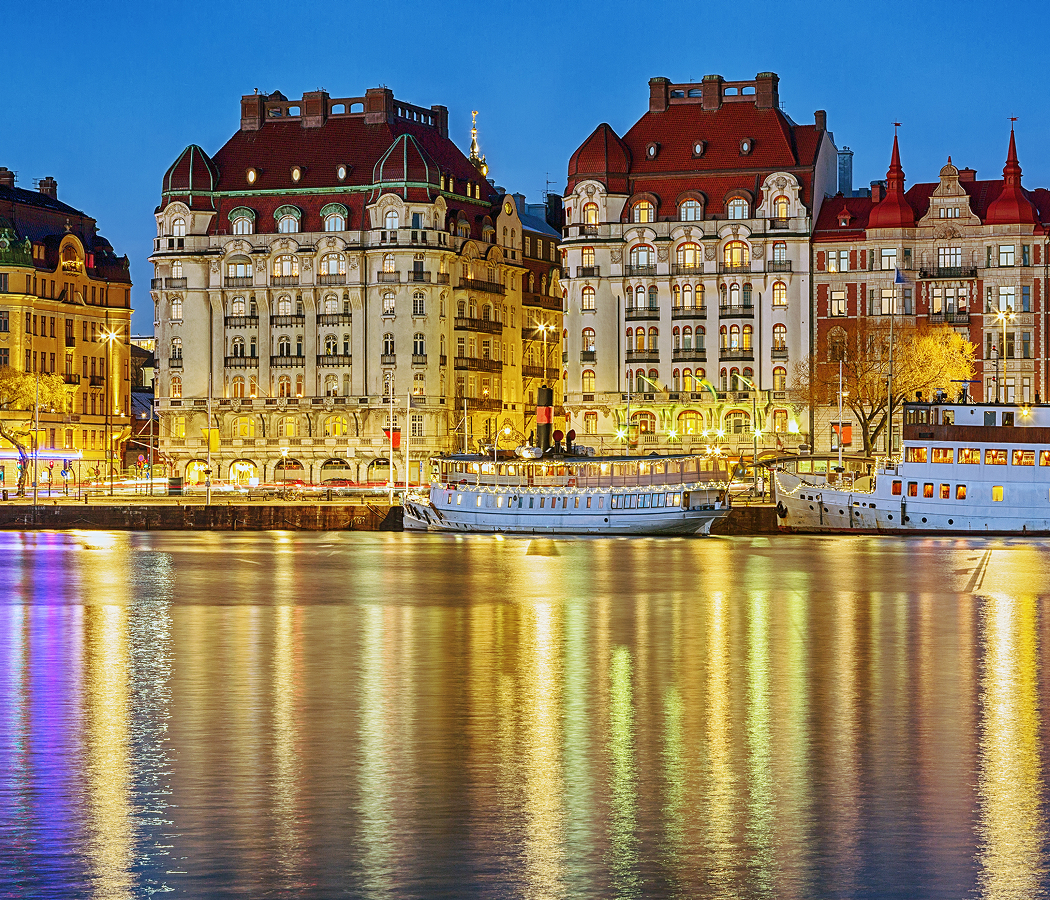
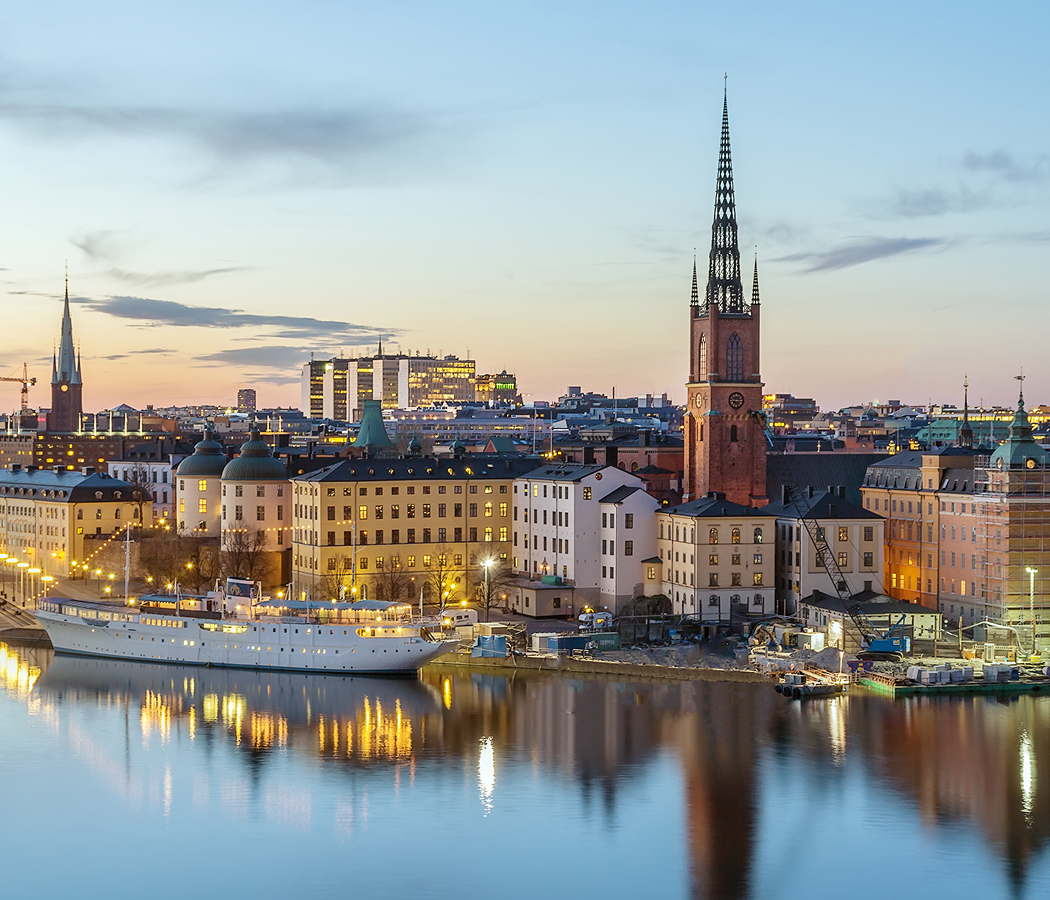
Set beside Djurgården's cultural landmarks and hidden behind the understated confidence of a place that does not need to announce itself, Backstage Hotel occupies a rare position in Stockholm. This is not a hotel that introduces itself loudly. It invites you in sideways, through context and curiosity. Arrival feels intentional. You move from open parkland and museums into a pocket of creative calm, where the building's presence suggests continuity. The surroundings immediately soften your pace. Trees, pathways, and cultural institutions shape the environment, reminding you that this part of Stockholm has always been about gathering, performance, and reflection. Step inside and the atmosphere tightens into something intimate and expressive. Interiors feel layered and considered, designed to reward attention. Lighting is low and precise, creating pockets of warmth and shadow that feel purposeful. Materials are tactile and grounded. Textiles, wood, and matte finishes absorb sound and movement, reinforcing the sense that this is a place to settle into. Public spaces feel like private rooms borrowed from a creative retreat. There is a deliberate sense of containment here, a feeling that the outside world has been respectfully held at bay. Guest rooms continue this philosophy with a focus on mood, privacy, and comfort. Expect beds dressed in crisp, high-quality linens that prioritize rest, furnishings that feel bespoke rather than standardized, and layouts that emphasize enclosure and calm. Rooms are not designed to impress at first glance; they are designed to hold you. Color palettes lean toward deep neutrals and softened tones, creating an environment that supports both rest and thought. Windows frame treetops, courtyards, or quiet edges of Djurgården, reinforcing the feeling that you are staying inside a cultural landscape. Bathrooms are refined and intentional, with quality fixtures, walk-in showers or soaking tubs, and lighting that supports both early mornings and late-night decompression. What defines Backstage Hotel is its commitment to atmosphere. Public spaces do not compete with one another. Each has a role, a tempo, and a reason for being. The bar and dining areas feel conversational rather than performative, places where creativity hums quietly rather than announces itself. Service is attentive, discreet, and intuitive. Staff understand the value of privacy and presence, engaging when needed and receding when not. Their guidance feels informed by lived familiarity with the area. Step outside and Djurgården unfolds as a living cultural corridor. Museums, performance spaces, waterfront paths, and gardens are all moments away, yet the hotel remains slightly removed from foot traffic, preserving its sense of retreat. Backstage Hotel is ideal for travelers who want Stockholm to feel cinematic, introspective, and artfully restrained, a stay that privileges mood, narrative, and context over scale or performance.
What you should know about Backstage Hotel.
Backstage Hotel is inseparable from Djurgården's long-standing role as Stockholm's cultural commons, a place where performance, leisure, and public life have intersected for generations.
Djurgården has never been just a park. Historically, it functioned as royal land, exhibition grounds, and a shared civic space where culture and leisure were intentionally woven together. Over time, it became the city's stage for museums, concerts, performances, and collective experiences. Unlike districts shaped primarily by residential or commercial needs, Djurgården evolved as a place for gathering, storytelling, and shared memory. Backstage Hotel draws directly from this lineage. Its name is not metaphorical. It reflects an understanding of space as something that supports performance. The building's relationship to nearby cultural institutions reinforces this idea. Rather than standing apart as a destination, the hotel exists as a supporting structure within a broader creative ecosystem. A lesser-known aspect of Djurgården is how carefully it has been protected from overdevelopment. Large-scale residential projects were intentionally limited, preserving openness, greenery, and cultural continuity. This restraint allows places like Backstage Hotel to cultivate intimacy. The hotel's interior design echoes this philosophy. Spaces are layered rather than expansive, encouraging closeness and attention rather than awe. Materials are chosen for their physical qualities, absorbing sound and light in ways that create resonant containment. Another subtle detail lies in how the hotel manages transitions. Moving from exterior to interior, from public to private, from day to night feels gradual. This reflects theatrical thinking more than hotel logic. You are eased into each act. This approach aligns with Scandinavian values of moderation and intention, but it also speaks to a deeper understanding of how people experience space. Staying here places you within Stockholm's cultural continuum, where art, performance, and daily life have long overlapped.
How to fold Backstage Hotel into your trip.
Backstage Hotel works best when you allow Djurgården's cultural rhythm to guide your days and let the hotel function as a place of return.
Begin your mornings quietly. Walk through the surrounding parkland before museums open, when paths are still soft with dew and the city feels held at a distance. Have breakfast at the hotel or nearby, letting light and stillness shape your mood. Late mornings are ideal for cultural immersion. Walk to nearby museums, exhibitions, or performance venues without crossing major roads or navigating crowds. The proximity allows you to engage deeply. Midday, return to the hotel for a pause that feels restorative. Sit in a lounge, read, or simply exist in the atmosphere. In the afternoon, consider a waterfront walk or ferry ride that reframes Stockholm's geography through water and distance. Djurgården's position makes these transitions feel scenic. As evening approaches, let dinner unfold with intention. Whether dining in-house or nearby, the emphasis remains on mood and conversation. Returning to the hotel afterward feels like slipping behind the curtain, where the day's impressions can settle quietly. On your final morning, linger. One more walk through the trees. One more moment inside the hotel's softened light. Notice how your perception of Stockholm has shifted from overview to intimacy.
Where your story begins.
Foresyte Travel reveals places that feel extraordinary long before you arrive.
Experience premium editorial crafted for luxury travelers.