Why Burton Drive matters.
Burton Drive is a lively corridor where East Riverside-Oltorf's multicultural character, postwar heritage, urban reinvention, and creative energy create one of Southeast Austin's most distinctive streets.
Running through East Riverside-Oltorf between Riverside and Parker Lane, the corridor connects established apartment communities, neighborhood parks, locally owned businesses, and mature tree-lined streets that reflect decades of growth immediately southeast of Downtown. Broad live oaks, mid-century residential development, and an increasingly diverse commercial landscape create an environment where longstanding community traditions continue evolving alongside new investment. The surrounding district balances accessibility, neighborhood identity, and cultural diversity while maintaining its established residential character. The result is an experience defined by authenticity, community continuity, and one of East Riverside-Oltorf's defining corridors.
What defines Burton Drive.
Burton Drive is best known for traversing East Riverside-Oltorf, a district transformed during the 1960s and 1970s following construction of Interstate 35 and expansion east of Lady Bird Lake, when large-scale apartment communities, neighborhood retail centers, and civic amenities accommodated Austin's rapidly growing population. The corridor reflects one of the city's largest concentrations of mid-century multifamily residential architecture, with garden-style apartment complexes, brick veneer construction, landscaped courtyards, and community-oriented site planning that characterized postwar urban development across Central Texas. The surrounding neighborhood became one of Austin's most culturally diverse communities, home to successive generations of Latino, Asian, African, African American, Middle Eastern, and refugee populations whose locally owned businesses, restaurants, faith communities, and cultural organizations contributed substantially to the district's identity. Nearby Country Club Creek and associated green corridors preserve riparian woodland, native grasses, pecan, cedar elm, live oak, cottonwood, and sycamore while supporting migratory birds and urban wildlife throughout the watershed. Collectively, the corridor's postwar expansion, residential planning, demographic diversity, environmental resources, and continuing neighborhood evolution establish Burton Drive as one of East Riverside-Oltorf's defining corridors.
The East Riverside Corridor Regulating Plan, adopted in 2013, established a long-term structure encouraging walkable redevelopment while recognizing the district's importance as one of Austin's principal residential communities near Downtown. Archaeological investigations throughout the Lower Colorado River basin document thousands of years of Indigenous occupation before modern settlement, placing the surrounding landscape within one of Central Texas' longest continuously inhabited regions. Community organizations, cultural festivals, neighborhood associations, and nonprofit initiatives continue strengthening East Riverside-Oltorf's character through local engagement, environmental stewardship, and support for one of Austin's most diverse populations. Together, these planning initiatives, archaeological resources, and civic organizations demonstrate how Burton Drive reflects a corridor where cultural diversity, neighborhood continuity, and long-term urban evolution remain closely connected.
How Burton Drive fits.
Burton Drive works as an exploration of Southeast Austin's green spaces, creative culture, and waterfront landscapes.
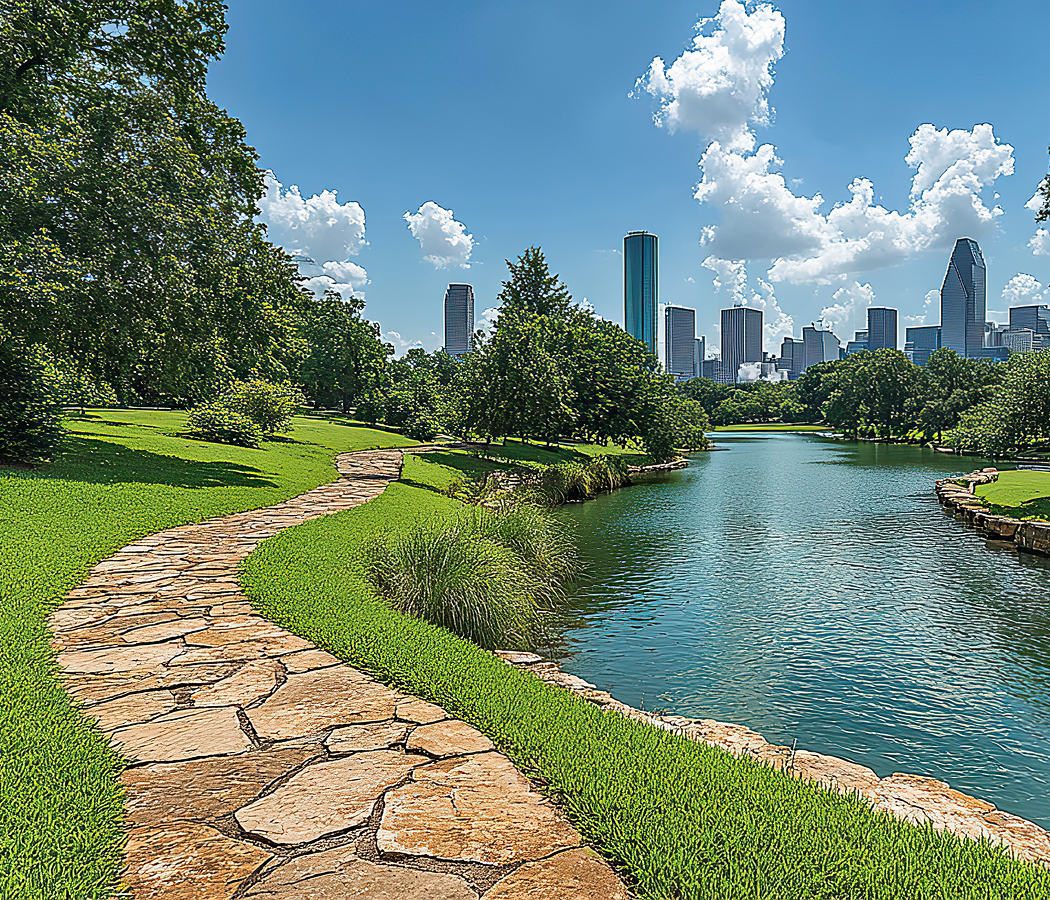
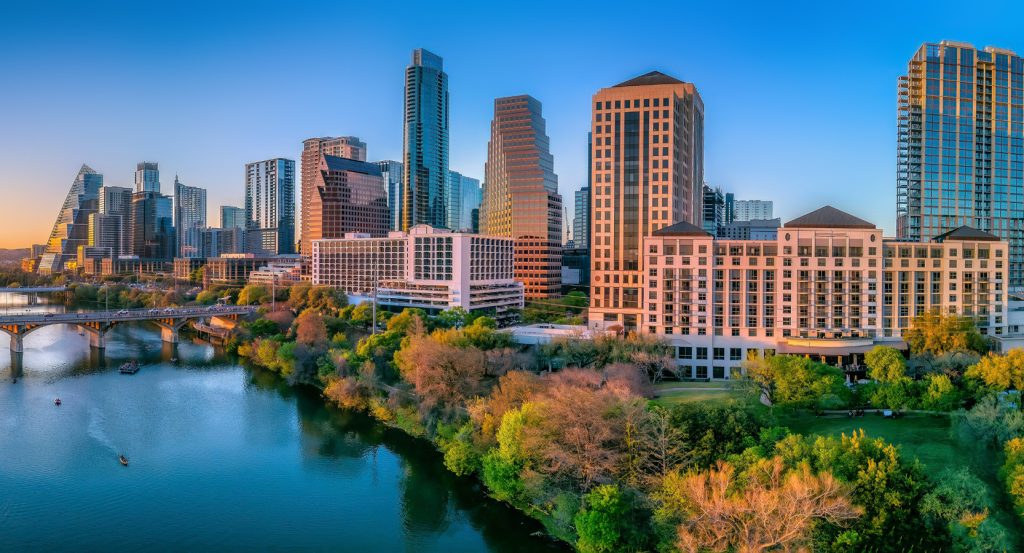
Begin at Roy G. Guerrero Colorado River Metropolitan Park, where expansive riverside trails, restored woodlands, athletic facilities, and natural habitat introduce the environmental setting that has shaped this portion of the Colorado River corridor for generations. Continue to Boardwalk at Lady Bird Lake, where panoramic skyline views, wetlands, and public art reveal Austin's relationship with its urban waterfront while connecting East Austin with Downtown. Conclude at Mexic-Arte Museum, where nationally recognized exhibitions celebrating Mexican, Latino, and Latin American art provide the historical payoff by reflecting many of the cultural traditions that continue enriching the surrounding community. The progression moves naturally from protected riverside landscapes to Austin's signature waterfront before culminating in one of the city's leading cultural institutions.
Where your story begins.
Foresyte Travel reveals places that feel extraordinary long before you arrive.
Enjoy editorial crafted for luxury travelers.
Foresyte may earn a commission when you book.