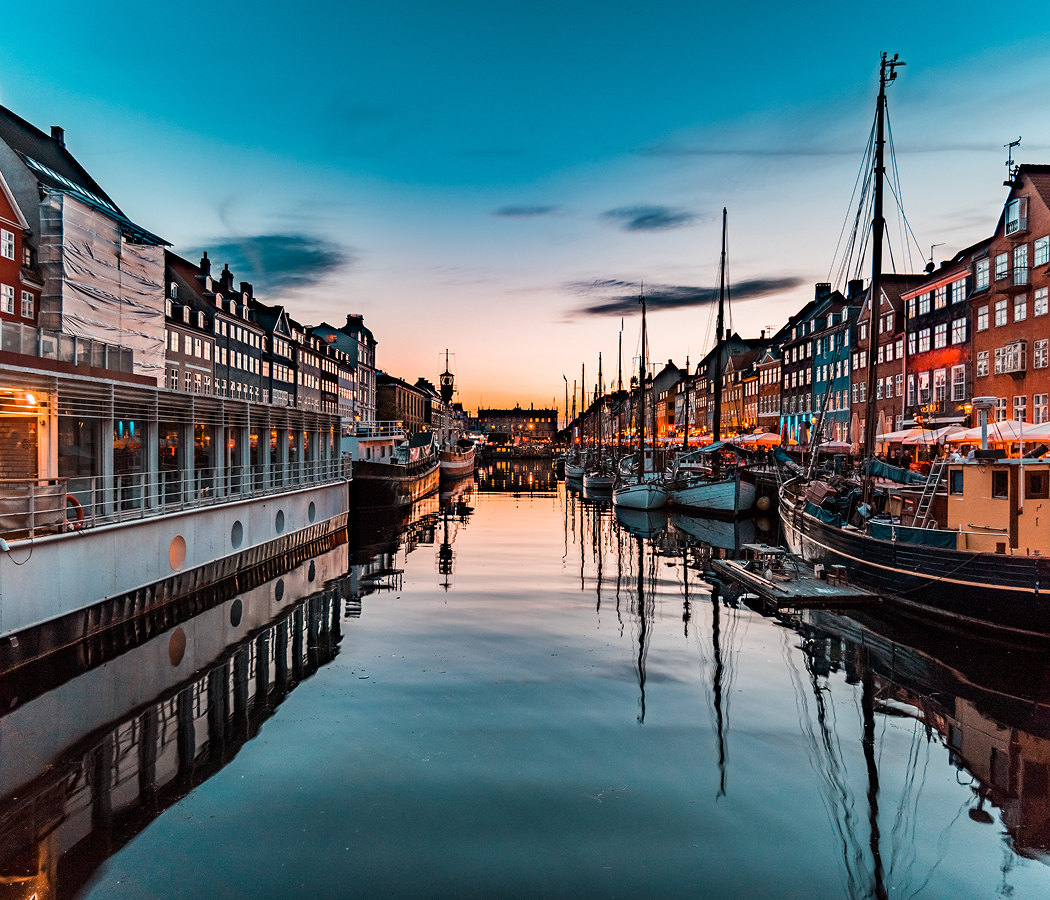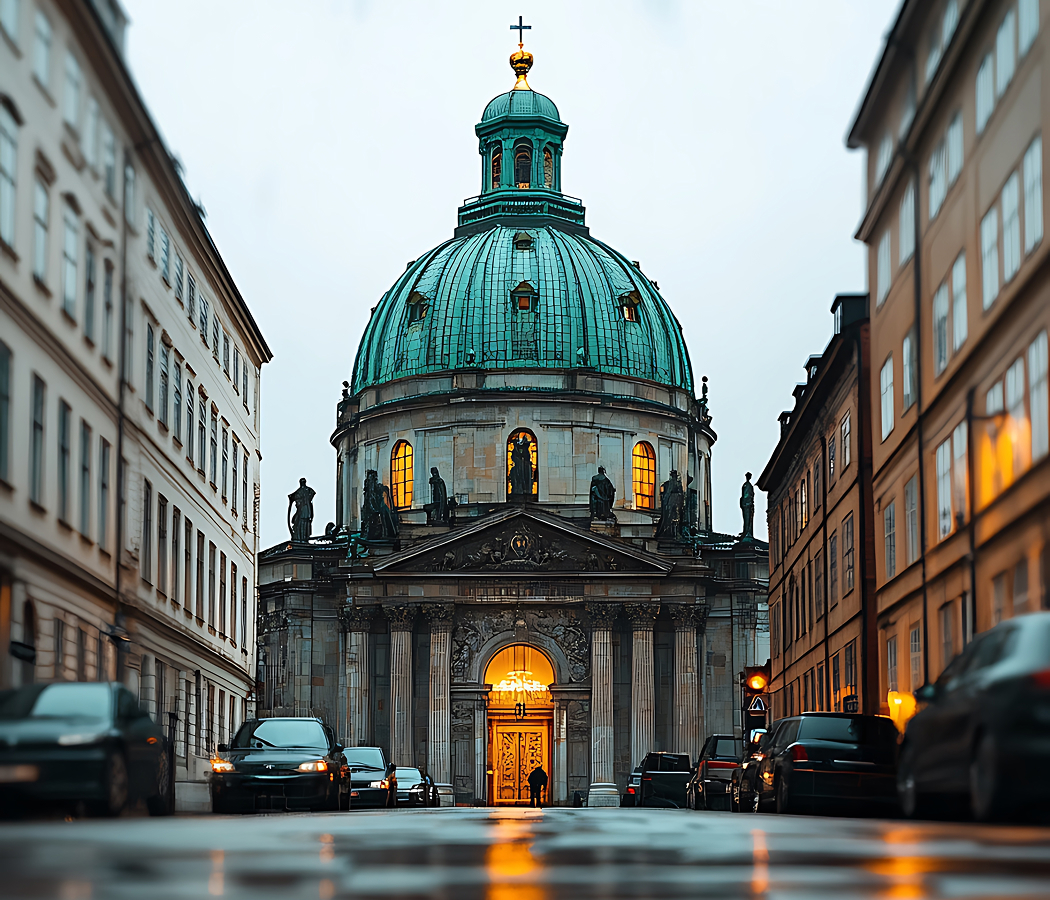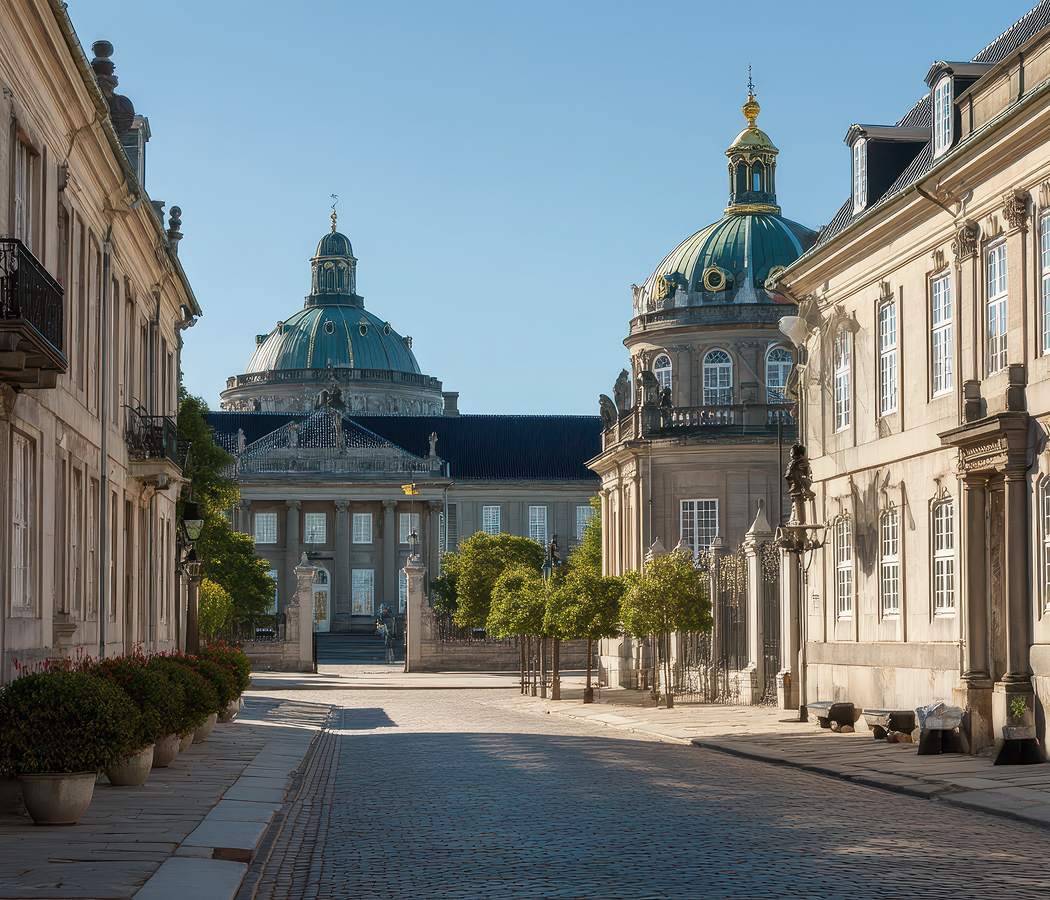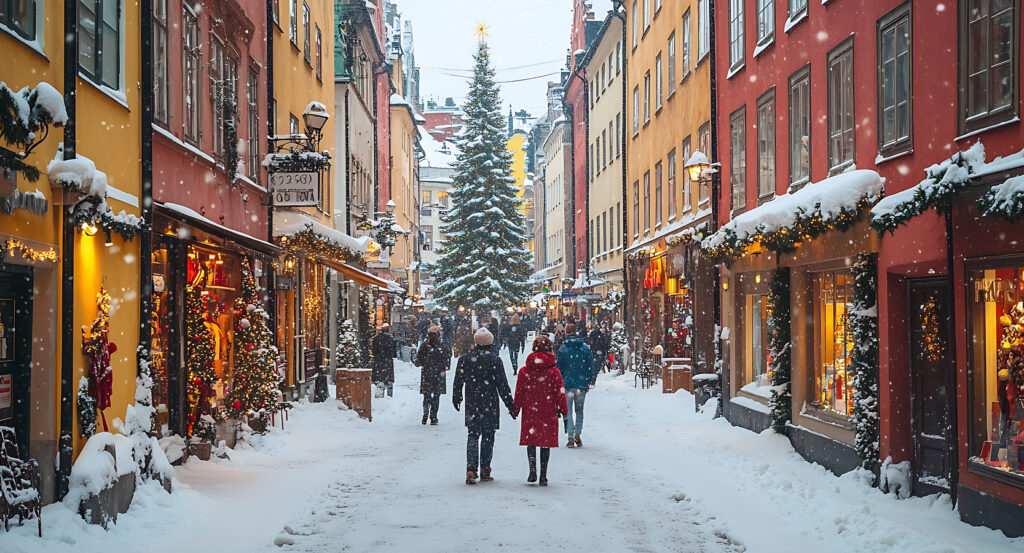
Why you should experience City Centre in Stockholm, Sweden.
City Centre is a historic capital core where royal power, commercial influence, and national character converge across the urban landscape that shaped modern Sweden.
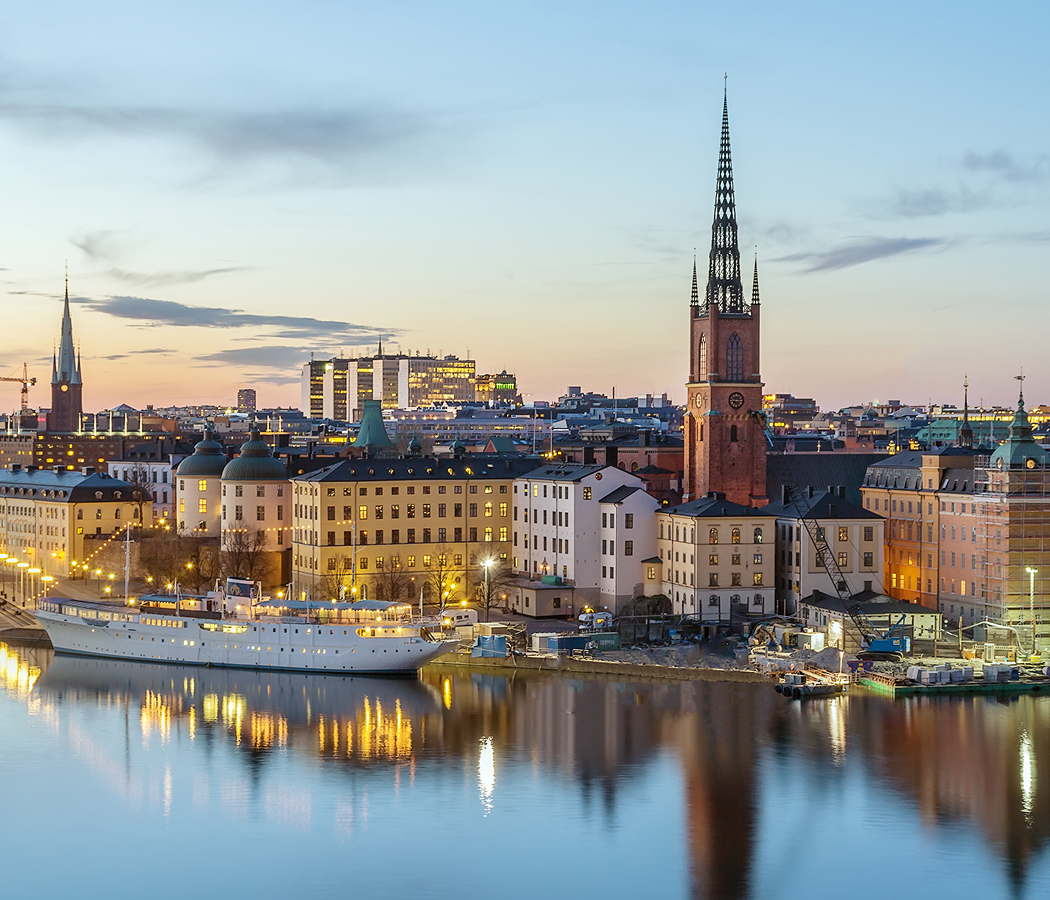
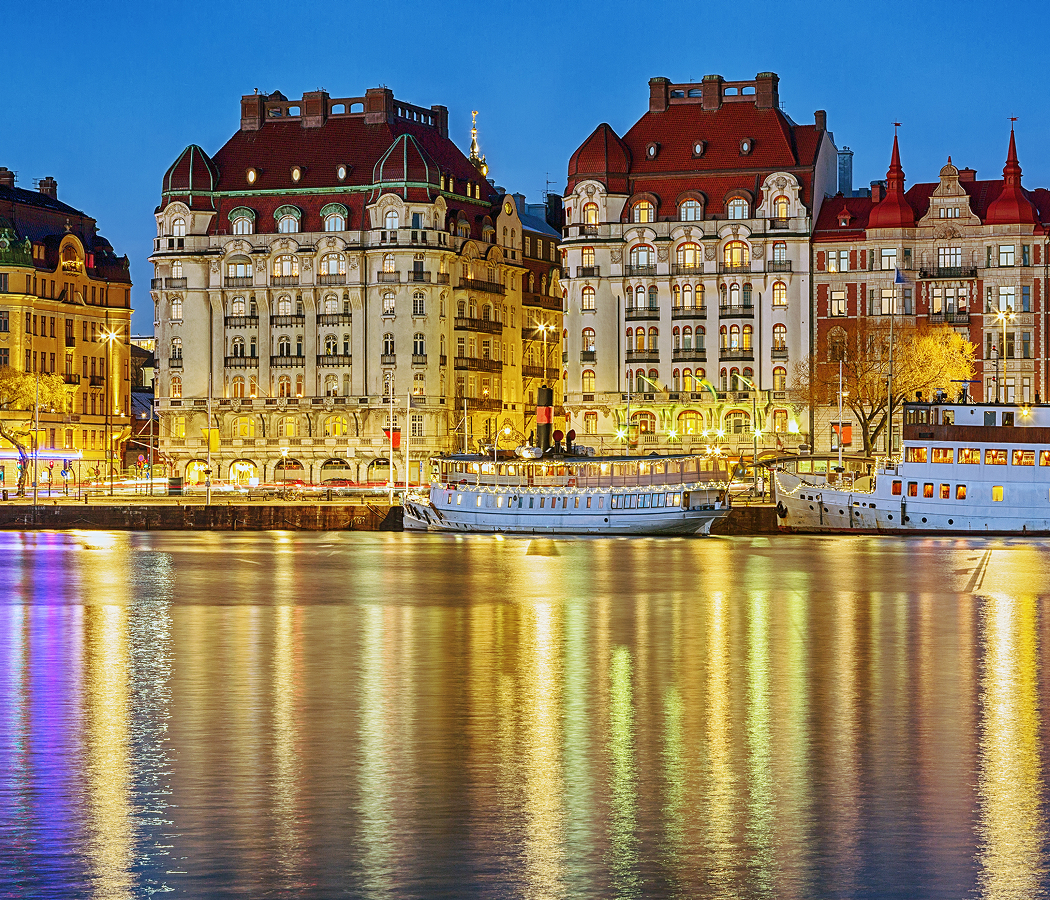
Grand public squares, royal landmarks, historic commercial streets, cultural institutions, waterfront promenades, and architectural icons create a neighborhood that reflects centuries of political, economic, and cultural development. For generations, the district served as the focal point of governance, trade, and civic life, attracting monarchs, merchants, diplomats, and entrepreneurs who helped define the trajectory of the Swedish nation. As Stockholm expanded from a medieval settlement into a modern European capital, City Centre remained the symbolic and functional heart of the city. The district's remarkable concentration of historic landmarks and public institutions preserves a living record of Sweden's evolution across centuries. Today, visitors encounter a neighborhood that feels influential, elegant, and deeply rooted in national history. The result is a district defined by legacy, leadership, and continuity. To the north, Norrmalm extends naturally from City Centre through a network of commercial corridors, cultural institutions, and civic landmarks, reinforcing the district's position within the heart of Stockholm.
What you should know about City Centre.
City Centre is best known for being home to Stockholm Palace, among the largest royal palaces in Europe with more than 600 rooms serving as the official residence and principal workplace of the Swedish monarch.
Constructed on the site of the medieval Tre Kronor Castle, the palace emerged as one of the defining symbols of Swedish statehood following the devastating castle fire of 1697. Over the centuries, it became the setting for royal ceremonies, state visits, diplomatic functions, and major moments in Swedish national history. Its immense scale and continued role within the constitutional monarchy distinguish it from many historic royal residences that now function solely as museums. Today, the palace remains one of the most important civic and ceremonial landmarks in Scandinavia. Few city-center districts anywhere in Europe possess a monument so directly connected to the continuity of a modern monarchy.
How to fold City Centre into your trip.
City Centre works as an exploration of the royal landmarks, historic institutions, and public spaces that define the Swedish capital's historic heart.
Begin at Stockholm Palace, where the neighborhood's defining connection to monarchy, governance, and national history immediately comes into focus. Continue toward Stortorget, whose colorful façades and historic significance reveal the commercial and civic traditions that helped shape Stockholm across generations. From there, make your way to Royal Swedish Opera, where one of the nation's most important cultural institutions provides a broader perspective on the artistic and ceremonial life that continues to define the district today. Along the route, you'll encounter royal residences, public squares, cultural landmarks, historic streets, neighborhood cafés, waterfront vistas, and civic institutions that showcase the neighborhood's remarkable depth. The progression moves naturally from royal landmark to medieval civic center to national cultural institution, revealing the forces that shaped City Centre across centuries of development. City Centre remains one of Europe's most rewarding urban districts, preserving a remarkable balance between royal heritage, cultural significance, and everyday city life.
Where your story begins.
Foresyte Travel reveals places that feel extraordinary long before you arrive.
Experience premium editorial crafted for luxury travelers.