Why The Egyptian Museum matters.
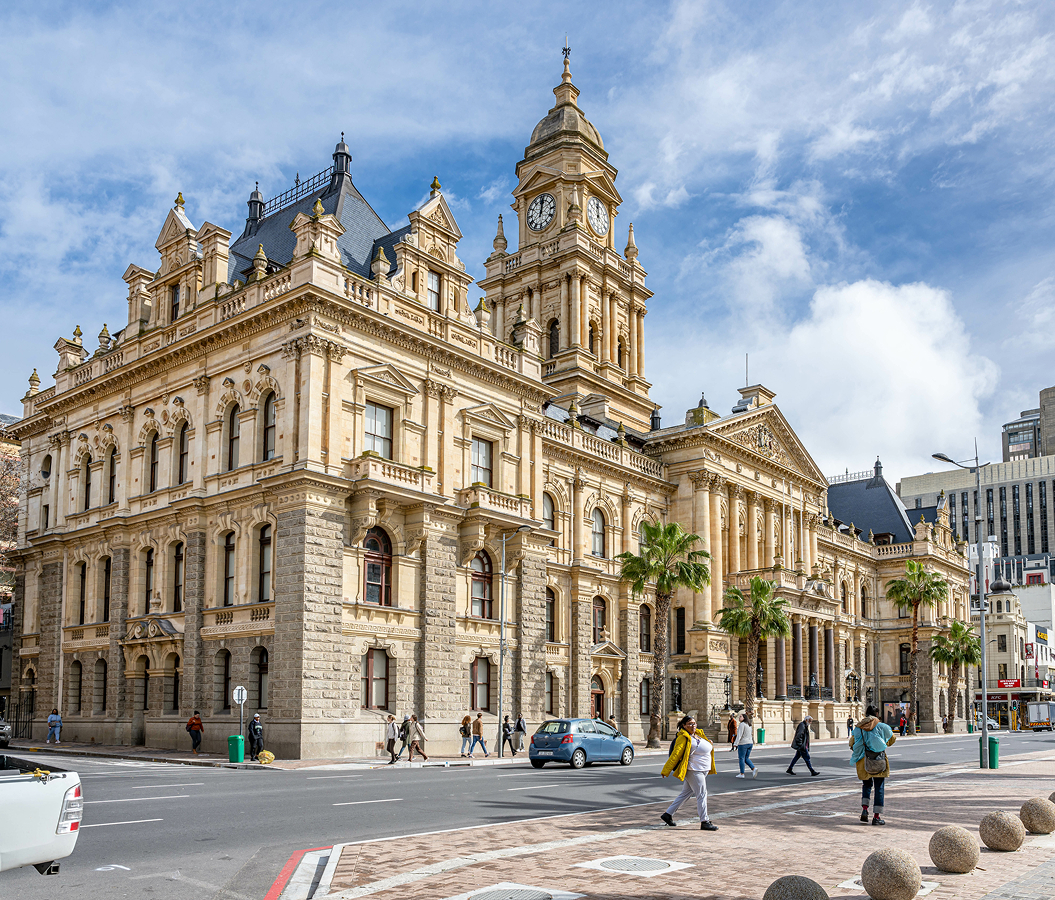
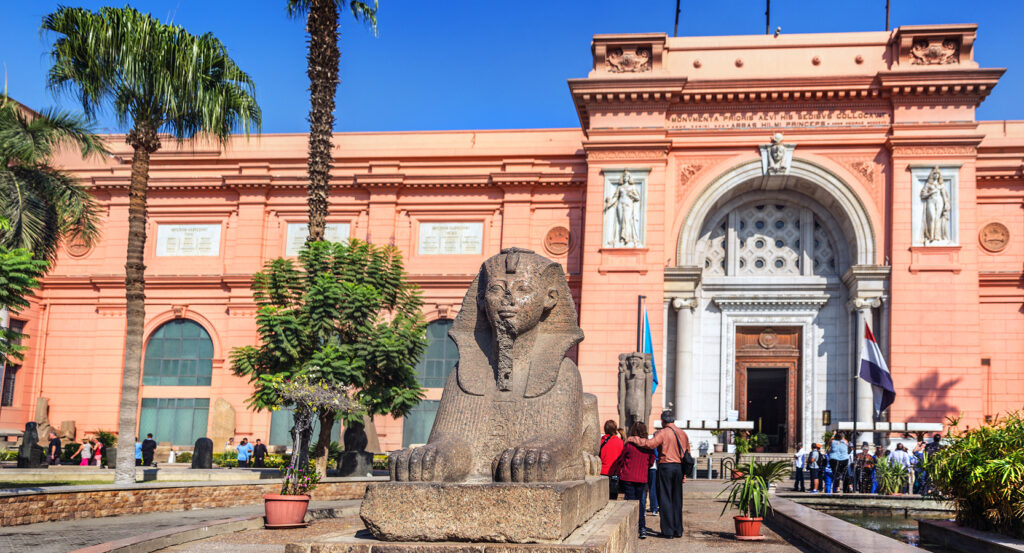
In the pulsing heart of Cairo, overlooking the storied expanse of Tahrir Square, The Egyptian Museum stands as one of humanity's most extraordinary time capsules, a place where five thousand years of history seem to breathe in the still air.
Step through its grand neo-classical façade, and the modern city fades away, replaced by the eternal hum of ancient Egypt. Inside, light filters softly through high arched windows, glinting off gold, alabaster, and stone as if the gods themselves were watching. It's an overwhelming, almost spiritual experience, not a museum visit so much as a descent into the heart of civilization. The museum houses over 120,000 artifacts, each a relic of genius, faith, and eternity. Here stand the colossal statues of pharaohs who once ruled empires; the delicate jewelry of queens who changed dynasties; and fragments of daily life, sandals, ink pots, toys, that remind you these ancient figures were once human. The Treasures of Tutankhamun, glittering in their golden perfection, remain the crown jewel of the collection. His funerary mask, radiant and serene, captures everything the museum captures: divine artistry, immortal beauty, and the mystery of time itself. Yet what makes The Egyptian Museum in Cairo so unforgettable isn't just its treasures; it's the feeling of walking among ghosts who never left. Every hall hums with echoes of priests, builders, and dreamers who believed that through art, one might live forever.
What defines The Egyptian Museum.
The Egyptian Museum, officially opened in 1902, is itself a monument to the age of discovery that reshaped the world's understanding of ancient Egypt.
Designed by French architect Marcel Dourgnon, the building was the first purpose-built museum in the Middle East and remains one of the oldest archaeological museums in the world. Its founder, Auguste Mariette, was a French Egyptologist who championed the idea that Egypt's antiquities should remain in Egypt, a dramatic stance at the time, when most discoveries were whisked away to European capitals. His vision led to the creation of a national collection that now spans every era of ancient Egyptian civilization, from the Predynastic Period (c. 5000 BCE) through the Greco-Roman era. The museum's exhibits are arranged more like a scholar's labyrinth than a polished gallery, which is precisely what gives it its magic. Each room feels like a revelation waiting to happen, the Royal Mummy Room where pharaohs like Ramses II rest in solemn stillness; the Amarna Gallery, alive with the expressive art of Akhenaten's reign; and the halls filled with colossal statues from Karnak and Thebes that seem to radiate divine power. The building itself has lived through Egypt's modern history, from British colonial rule to the revolution of 2011, when the museum stood steadfast amid the chaos of Tahrir Square, symbolizing the endurance of culture over conflict. Though many treasures have been transferred to the new Grand Egyptian Museum in Giza, the original Cairo museum retains a gravity and authenticity that no modern display can replicate. Its patina, its scent of stone and dust, its quiet, all remind visitors that this is not a recreated world, but the real one, still echoing after millennia.
How The Egyptian Museum fits.
A visit to The Egyptian Museum in Cairo is not a casual outing, it's an encounter with eternity.
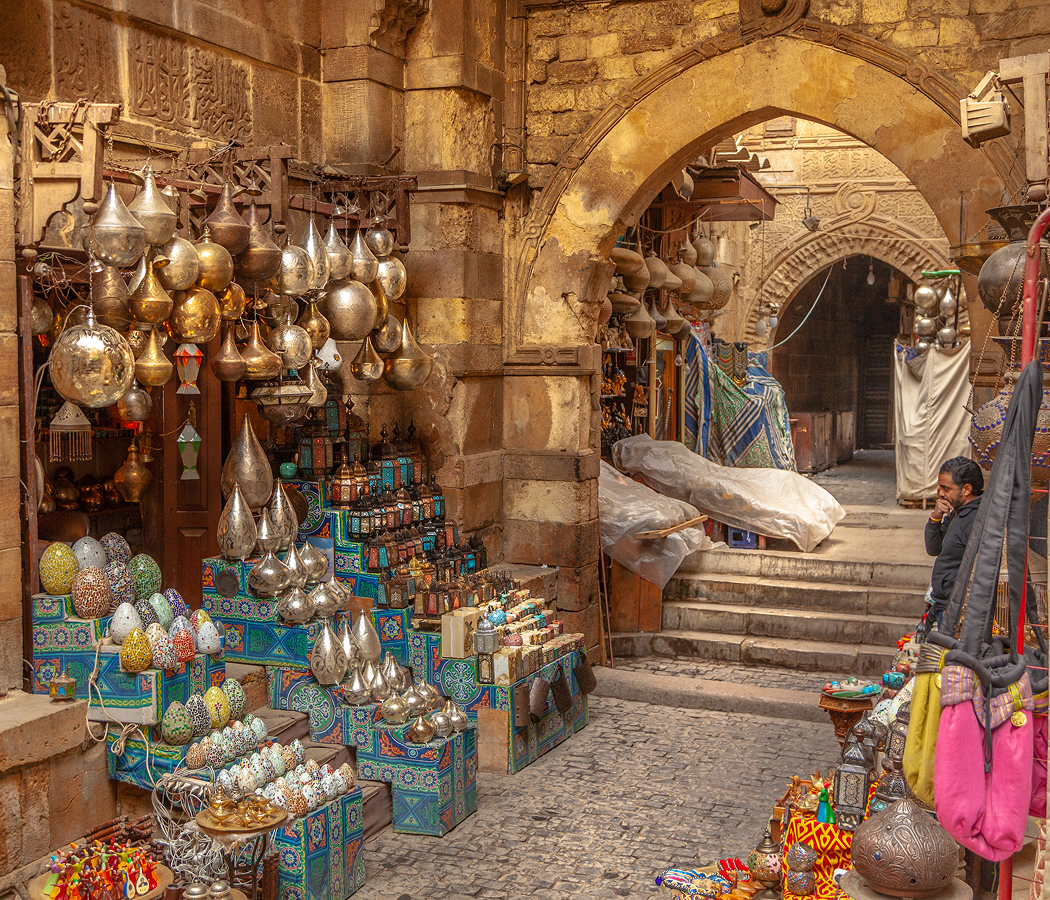
Plan to spend two to three hours, though you could easily lose a day within its vast halls. Start on the ground floor, where expansive statues of pharaohs and deities define the space, a breathtaking introduction to Egypt's Old and Middle Kingdoms. From there, ascend to the upper galleries, where the treasures of Tutankhamun's tomb, discovered by Howard Carter in 1922, gleam in their glass cases. His golden mask, nested sarcophagi, and intricate jewelry tell a story of splendor, youth, and immortality. Don't miss the Royal Mummy Room, where the actual faces of Egypt's renowned rulers lie before you, serene, powerful, and startlingly human. For quieter moments, linger in the Amarna Room, where Akhenaten's revolutionary art and the tender busts of his wife, Nefertiti, speak of a fleeting age of beauty and belief. When your senses begin to overflow, step into the museum's courtyard, a tranquil refuge surrounded by palm trees and fragments of ancient temples. The museum is centrally located, making it easy to pair with a visit to Khan el-Khalili Bazaar, Old Cairo, or a sunset felucca ride on the Nile River. Come prepared for physical overload, the rooms can feel chaotic, the labeling sparse, but embrace that disarray. It's part of the experience, a reminder that Egypt's past is not something frozen in glass, but alive, unpredictable, and eternal. The Egyptian Museum in Cairo doesn't just preserve history, it lets you feel its heartbeat.
Where your story begins.
Foresyte Travel reveals places that feel extraordinary long before you arrive.
Enjoy editorial crafted for luxury travelers.
Foresyte may earn a commission when you book.