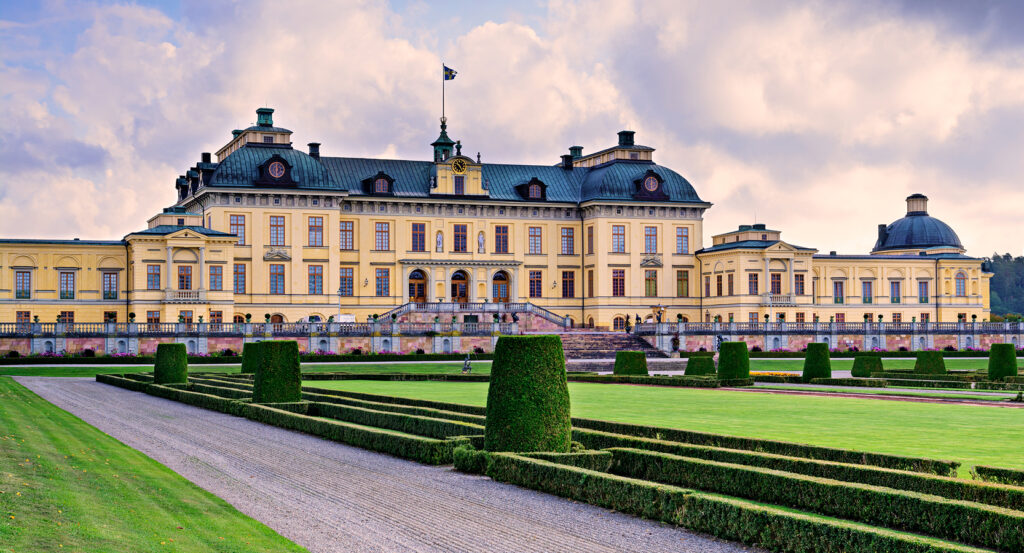
Why you should experience First Hotel Brommaplan in Stockholm, Sweden.
First Hotel Brommaplan is where everyday life, practical comfort, and genuine neighborhood rhythm converge, a stay that feels like stepping into Stockholm as it is lived.
Located in the Bromma district, just west of downtown, First Hotel Brommaplan anchors you in a part of the city defined by residential calm, green edges, and easy access to both water and transport. Arrival here is direct and welcoming. Unlike hotels tucked into historic cores or tourist corridors, this is a place you approach like a local: along streets where familiar cafés, grocers, and parks shape the landscape before shops aimed solely at visitors. The building itself has an unpretentious presence, straightforward lines, thoughtful proportion, and a sense of belonging to the neighborhood. Step inside and the atmosphere reflects a clear purpose. Interiors are composed for comfort and ease, with materials and lighting chosen to feel inviting. Public spaces, seating areas, lounges, and the lobby, are arranged to support moments of pause, casual conversation, or planning. There is a calm logic here: rooms are useful, places to eat are accessible, and every space feels designed for living. Guest rooms continue this character of practical comfort. Expect beds dressed in crisp, supportive linens that encourage real rest, furniture that feels modern yet quietly grounded, and layouts that prioritize utility and clarity over trend. Rooms feel calm and composed rather than staged; color palettes and textures reflect quiet Scandinavian restraint, letting the city outside remain your visual anchor. Many rooms overlook quiet streets, treetops, or peaceful inner courtyards, reinforcing the sense that you are in a lived neighborhood. Bathrooms are bright, clean, and efficiently designed, with showers or bathtubs, quality fixtures, and lighting that supports early departures and late returns with equal ease. What defines First Hotel Brommaplan is its everyday accessibility, no theatricality, no exaggerated luxury, just a place that works for you, your plans, and your rhythm. Public areas are welcoming. The breakfast area feels like a communal kitchen rather than a staged set piece, and service is attentive without formality. Staff offer guidance grounded in real local knowledge, helping you navigate transit, dining, and neighborhood discoveries with clarity and warmth. Step outside and Brommaplan reveals itself as a true slice of Stockholm life. Tree-lined streets, local shops, cafés, bakeries, and green spaces shape the everyday rhythm here. The nearby tram and metro connections make Central Stockholm, waterfront promenades, Gamla Stan, and cultural districts easily accessible. Meanwhile, the surrounding neighborhood rewards unhurried movement: parks near Lake Mälaren, local markets, and streets that feel lived in. First Hotel Brommaplan is ideal for travelers who want Stockholm to feel practical, authentic, and genuinely navigable, a stay that privileges real access to everyday life over staged performance.
What you should know about First Hotel Brommaplan.
First Hotel Brommaplan sits within an area shaped by Stockholm's post-war expansion and a conscious effort to blend residential life, transit access, and open space into a cohesive district.
Unlike neighborhoods that were designed primarily around historic monuments or tourism circuits, the Brommaplan district evolved as Stockholm grew outward, prioritizing walkability, mixed use, and human-scaled development. Streets here were laid out to support daily routines, errands, work commutes, playgrounds, dinners out, rather than simply channeling visitors to landmarks. First Hotel Brommaplan's presence reflects this organic growth. Its architecture and placement align with the scale of the district: moderate height, proportionate façades, and entrances oriented toward neighborhood sidewalks. Materials and finishes were selected with longevity and ease in mind, mirroring the surrounding buildings. A lesser-known detail about Brommaplan's urban history is how intentionally planners preserved access to water and green space even as the city expanded. Lake Mälaren's edges, community parks, and recreational paths were prioritized. This access to landscape, not just urban grid, has shaped local life for decades, making streets feel breathable and neighborhood navigation feel natural. Inside the hotel, this context informs spatial composition. Public areas do not feel segmented by hierarchy. Reception, lounge, breakfast, and circulation layers are arranged for use first and appearance second. Furniture is chosen for durability and comfort over flash, lighting is calibrated for clarity rather than drama, and materials are selected for tactile warmth. This reflects a broader Scandinavian design character grounded in functional beauty: spaces are meant to be used with ease and dignity, not simply admired. Another subtle aspect of the Brommaplan experience is how transit patterns reinforce resilience. Brommaplan is a hub where metro, tram, and bus converge, yet this connectivity does not overwhelm the neighborhood. Instead, it embeds Bromma in Stockholm's broader spatial logic. You can move freely. Staying at First Hotel Brommaplan places you in this connective tissue of the city, where movement, everyday life, and access to both nature and urban amenities coexist.
How to fold First Hotel Brommaplan into your trip.
First Hotel Brommaplan works best when you let neighborhood rhythm and transit accessibility shape your exploration.
Begin your mornings with a walk to a local bakery or café, letting the neighborhood's pace, parents with strollers, commuters on bikes, residents headed to errands, orient your sense of place. This transition from calm to citywide energy makes Stockholm feel inhabited. Late mornings are ideal for exploring nearby parks and lakeside paths along Mälaren. The water here is not a single postcard view but part of daily life, offering spaces for walking, running, or just watching light dance across the surface. Midday, return to the hotel for a relaxed break or a light lunch in the communal area. The hotel's design supports these pauses as part of the experience. In the afternoon, use nearby transit connections. A short ride will bring you to Gamla Stan's medieval lanes, the waterfront promenades, museums, boutiques, and cultural attractions with ease. This freedom to branch outward without deep logistical planning makes each excursion feel like choice rather than chore. As evening approaches, consider dinner either locally at a neighborhood table chosen for atmosphere over fame, or back in the city's center. Brommaplan's restaurants and bars have their own rhythm, offering spaces where locals gather. After dinner, take one last walk through quiet residential streets or back toward the water's edge, noticing how the city feels broader and softer here than in its dense cores. Returning to First Hotel Brommaplan at night feels like slipping into a calm register. On your final morning, linger longer than planned, one more coffee, one more slow step toward the neighborhood's heart.
Where your story begins.
Foresyte Travel reveals places that feel extraordinary long before you arrive.
Experience premium editorial crafted for luxury travelers.