Why Foreshore matters.
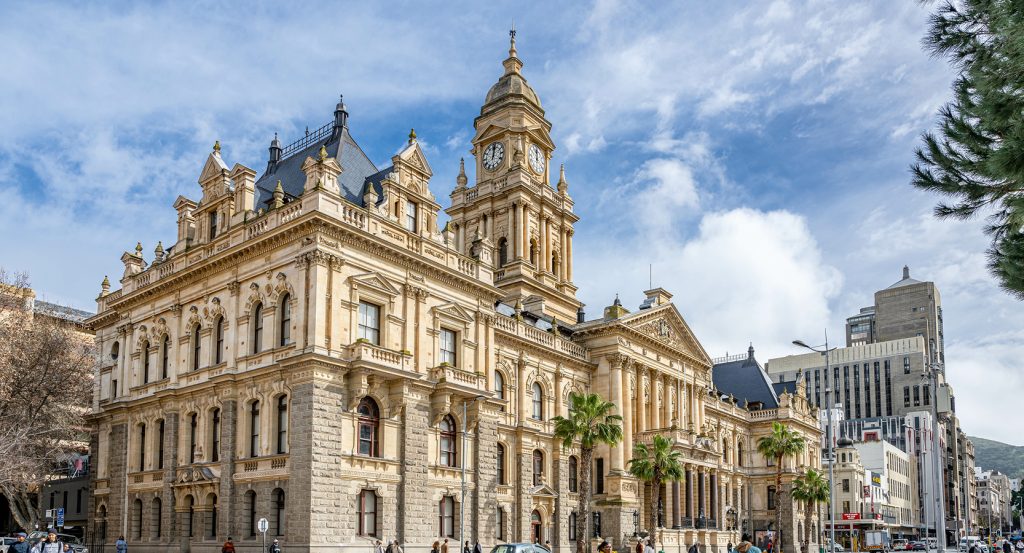
Foreshore is a waterfront business district where reclaimed land, architectural ambition, and the economic engine of modern Cape Town converge between Table Bay and the historic city center alongside neighboring Downtown Cape Town.
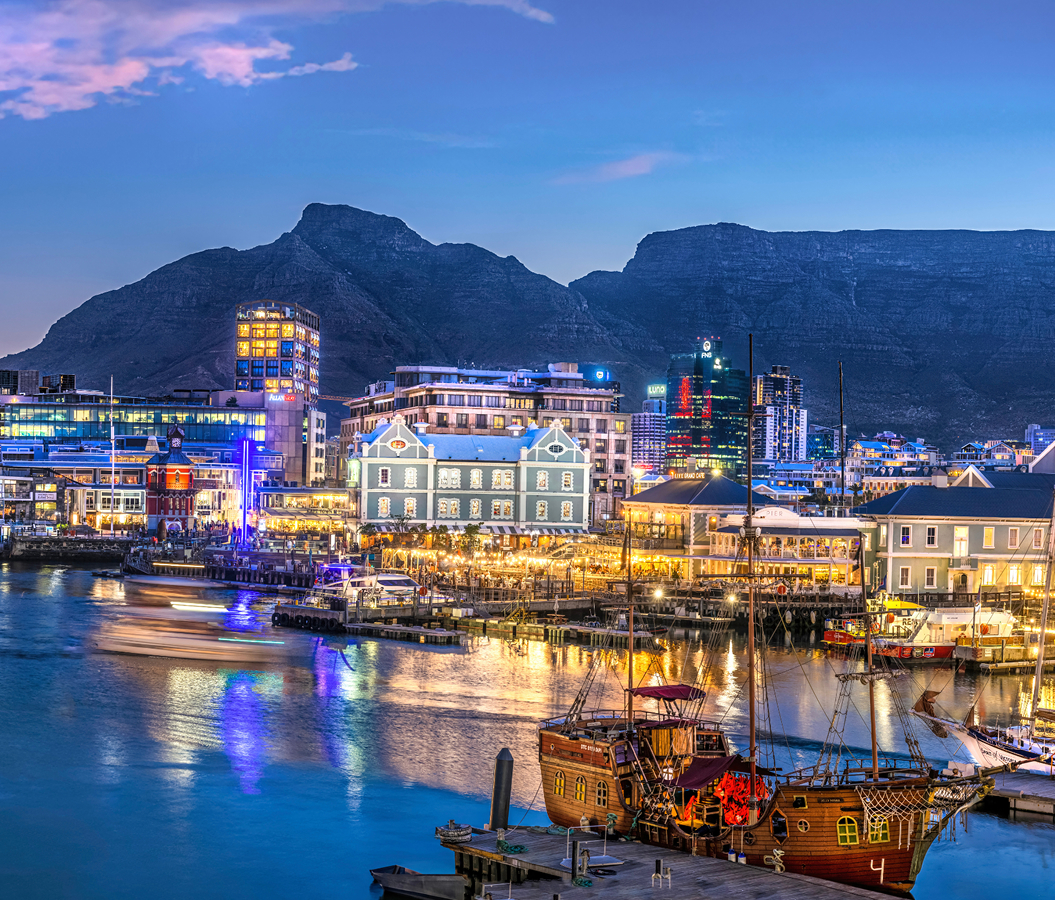
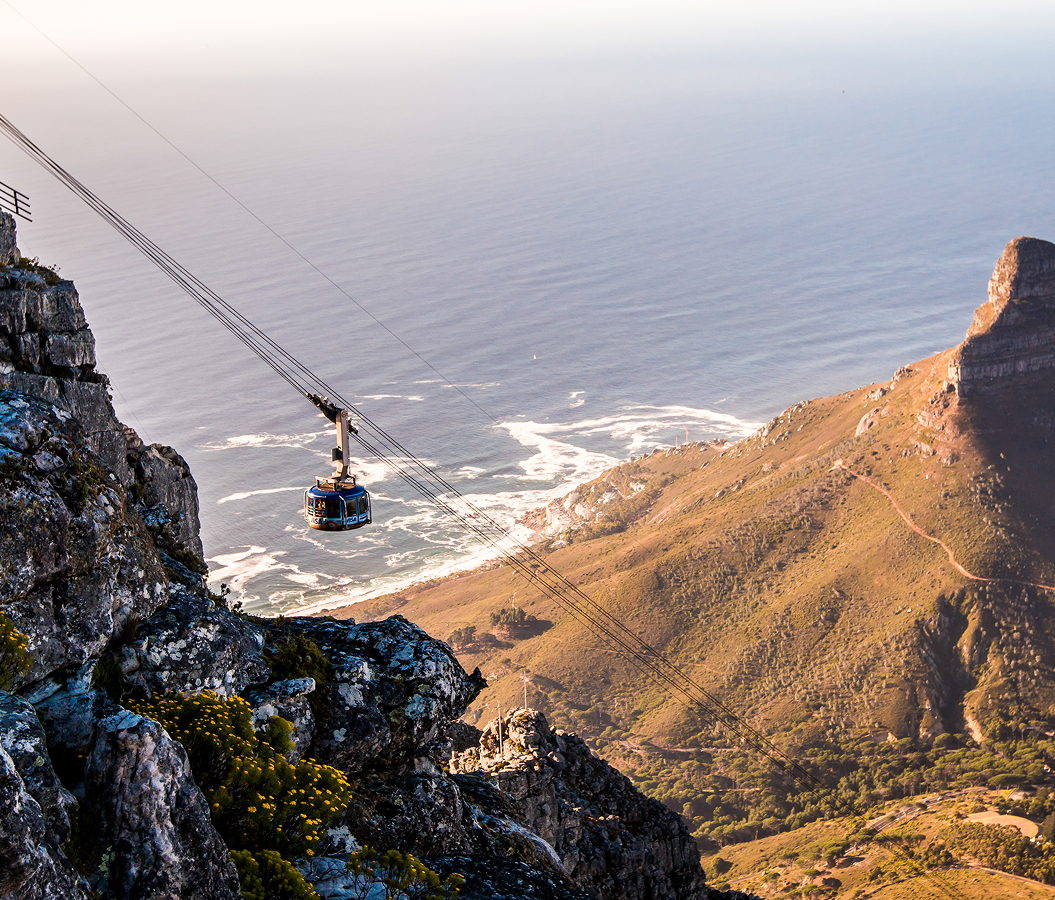
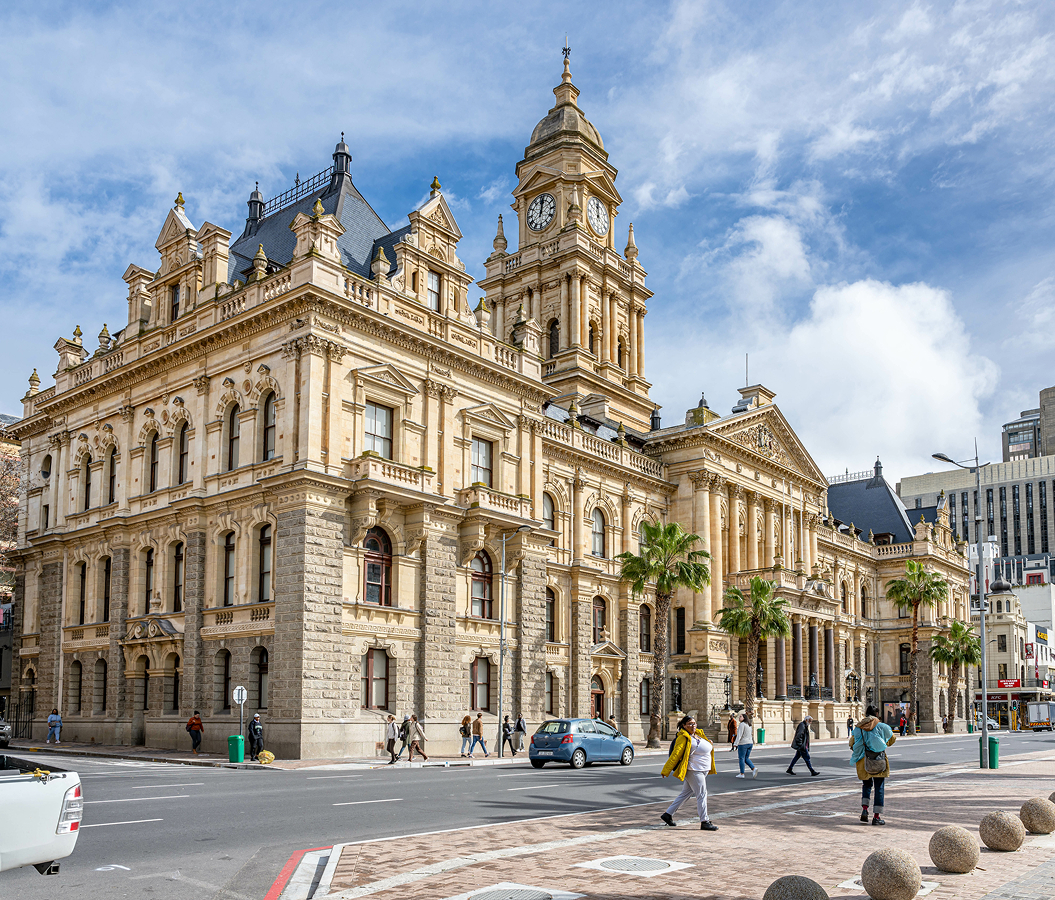
Glass towers rise above avenues that did not exist a century ago, standing on land painstakingly reclaimed from the sea as Cape Town expanded beyond its original shoreline. Corporate headquarters, convention facilities, hotels, government offices, and transportation hubs occupy a landscape designed to serve as the city's commercial front door. Commuters stream through transit corridors connecting the harbor, airport, and central business district. The profile of Table Mountain dominates the skyline, creating one of the world's most dramatic urban backdrops for a modern financial center. Freight vessels, cruise ships, and ferries move across nearby waters while international conferences, business meetings, and cultural events unfold within walking distance of the harbor. The district feels purposeful and outward-facing. Every street reflects Cape Town's role as a gateway between Africa and the wider world. Foreshore captures the city's modern ambitions while remaining deeply connected to the maritime geography that made its growth possible.
What defines Foreshore.
Foreshore is best known for being built on land reclaimed from Table Bay during one of the largest urban land reclamation projects in South African history.
The project dramatically reshaped Cape Town's relationship with its waterfront during the twentieth century, creating hundreds of hectares of new land between the historic city and the harbor. What had once been open water became a foundation for commercial development, transportation infrastructure, public institutions, and civic investment that continue to define the district today. The transformation allowed Cape Town to accommodate growing economic activity while strengthening connections between the port and the city center. The neighborhood subsequently emerged as a focal point for finance, tourism, trade, and international business. Its modern skyline reflects decades of investment and urban planning layered atop an engineering achievement that fundamentally altered the physical geography of the city. Few districts demonstrate Cape Town's capacity for reinvention more clearly than Foreshore.
How Foreshore fits.
Foreshore works as an exploration of the institutions, infrastructure, and waterfront landmarks that reveal how modern Cape Town operates on a global stage.
Begin at the Cape Town International Convention Centre, whose prominence immediately establishes the district's role as a center of commerce, events, and international exchange. Continue toward the V&A Waterfront, where working harbor infrastructure and public attractions reveal the maritime foundations upon which the surrounding city was built. From there, make your way to the Nelson Mandela Gateway to Robben Island, where ferries depart across Table Bay to one of South Africa's most historically significant destinations. Along the route, you'll encounter the Cruise Terminal, Heerengracht Boulevard, public art installations, and striking views toward Table Mountain that reinforce the district's position at the intersection of business, tourism, and history. The progression moves naturally from contemporary commerce to maritime heritage to national memory, revealing the forces that continue to shape the city. Foreshore remains one of South Africa's most important urban districts, preserving a powerful connection between economic ambition, engineering achievement, and the waterfront landscapes that define Cape Town.
Where your story begins.
Foresyte Travel reveals places that feel extraordinary long before you arrive.
Enjoy editorial crafted for luxury travelers.
Foresyte may earn a commission when you book.