Why Garden City matters.
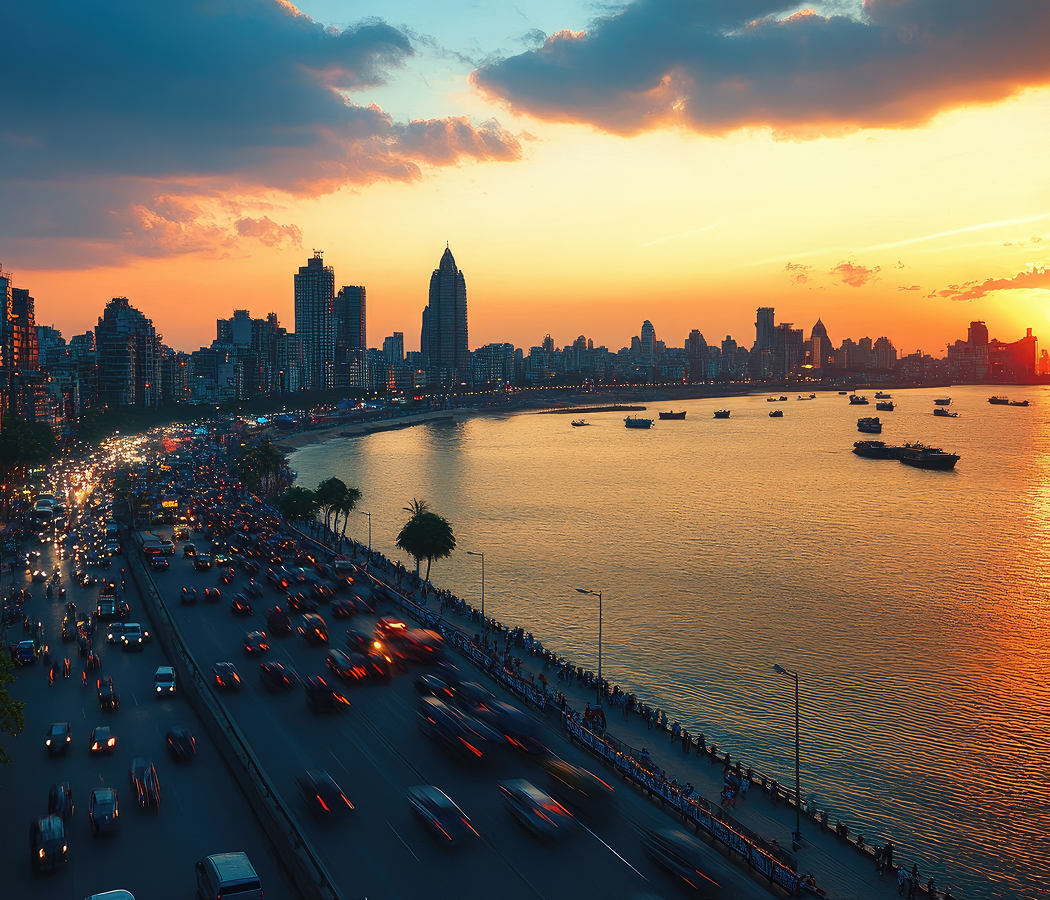
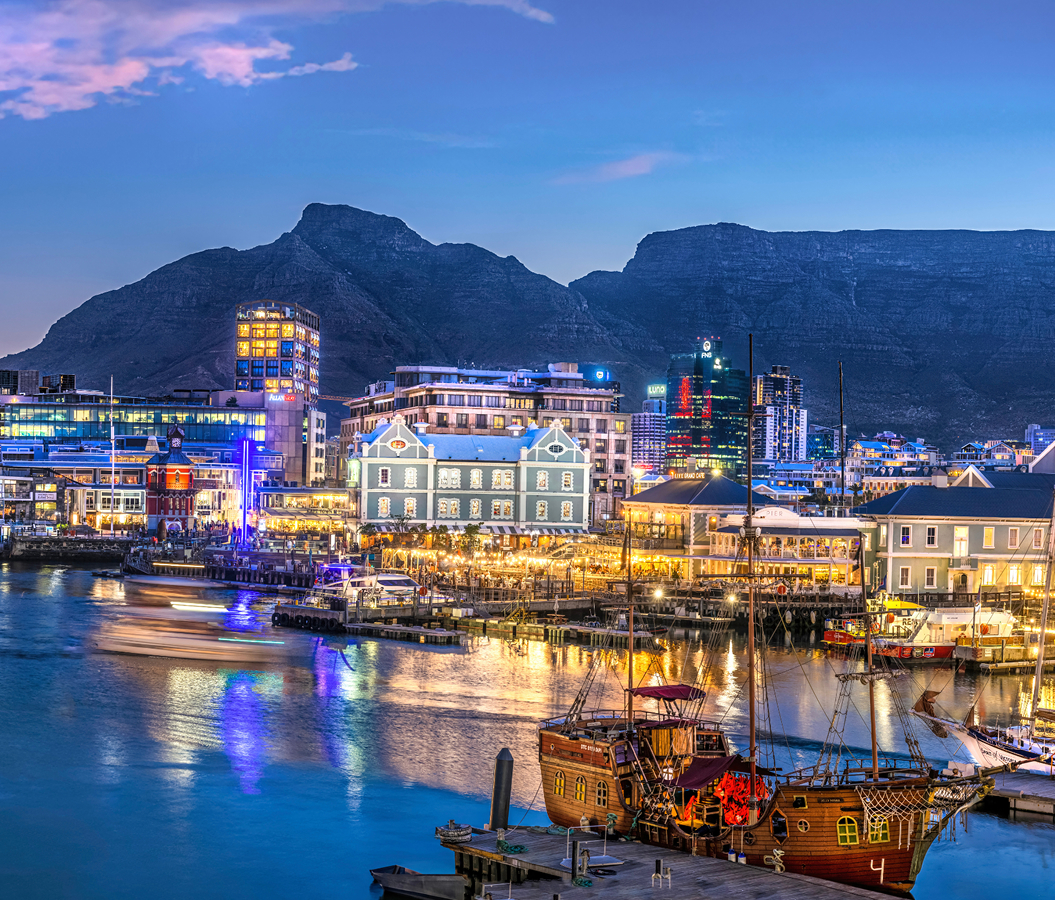
Garden City is a diplomatic riverside quarter where Belle Époque mansions, foreign embassies, and political history converge along one of the most prestigious stretches of the Nile beside neighboring Downtown Cairo.
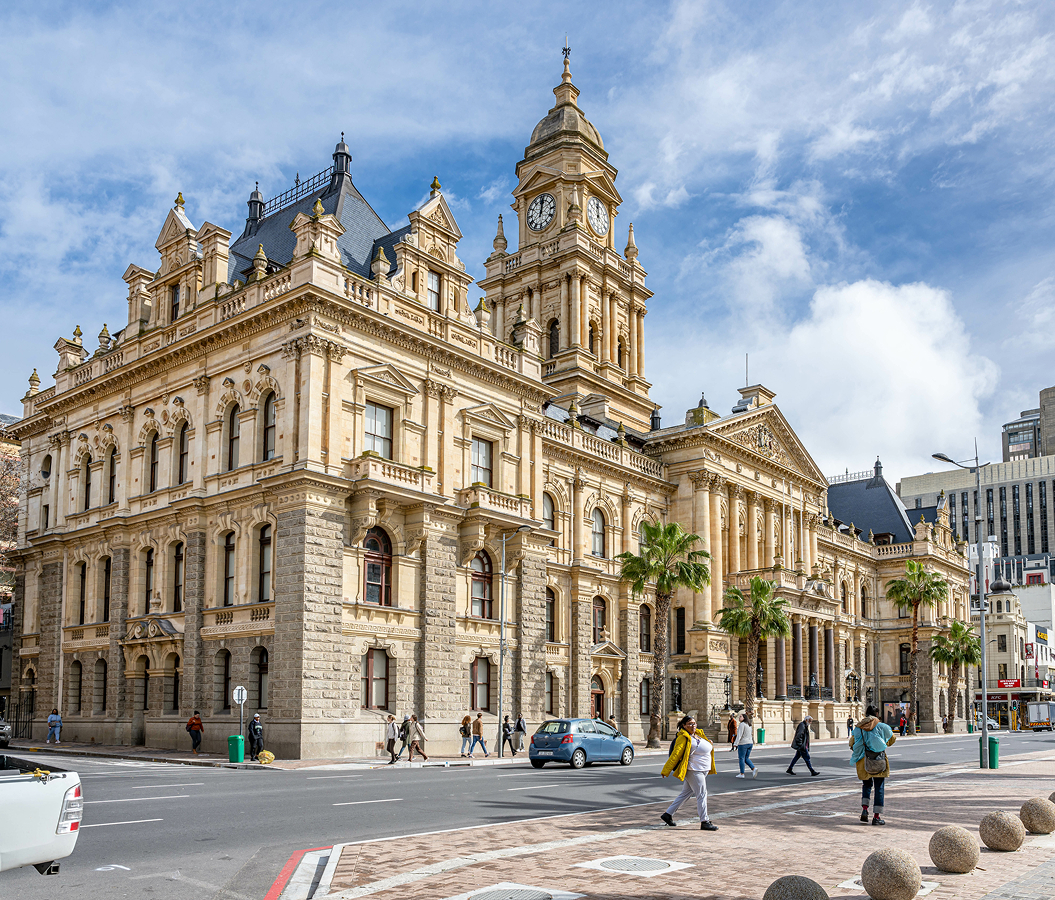
Curving gracefully along the eastern bank of the river just south of the city center, the district unfolds through quiet streets that break sharply from the intensity typically associated with the Egyptian capital. Ornate villas sit behind wrought-iron gates and mature trees planted generations ago. Embassy compounds occupy grand residences built during Cairo's golden age of urban expansion. Architectural details reveal European, Ottoman, and Egyptian influences layered across elegant facades that have witnessed monarchs, diplomats, revolutionaries, and statesmen pass through their doors. The neighborhood's street plan itself feels distinctive, abandoning the rigid urban grid in favor of winding avenues and irregular intersections designed to create a more refined residential environment. The Nile remains a constant companion, appearing between buildings and public spaces that preserve a sense of openness rarely found in Central Cairo. Garden City operates as both a living neighborhood and a physical record of Egypt's modern political and architectural evolution.
What defines Garden City.
Garden City is best known for being one of Cairo's earliest planned luxury residential districts, developed in the early twentieth century with a distinctive curvilinear street layout inspired by European garden city principles.
The district represented a departure from the dense urban fabric that characterized much of historic Cairo, introducing a vision centered on landscaped streets, architectural elegance, and spacious residential design. Wealthy Egyptian families, diplomats, foreign residents, and political figures were drawn to the neighborhood, helping establish its reputation as one of the capital's most prestigious addresses. Over time, government institutions, embassies, and international organizations concentrated within the district, reinforcing its role as a center of political and diplomatic life. Many of the neighborhood's historic villas and residential buildings survive today, preserving a rare collection of architectural styles that document Cairo's transformation during the late nineteenth and early twentieth centuries. Garden City remains one of the clearest examples of how urban planning, architecture, and political influence combined to shape modern Cairo.
How Garden City fits.
Garden City works as a walk through the architectural, diplomatic, and historical layers that helped define Egypt's modern capital.
Begin at Qasr El Nil Bridge, where sweeping views across the Nile provide an ideal introduction to the district's riverside setting and its relationship with Central Cairo. Continue toward the Egyptian Museum, whose world-renowned collection offers essential context for understanding the civilization that continues to shape Egypt's national identity. From there, make your way to Tahrir Square, among the most consequential public spaces in the modern Middle East, whose proximity underscores the district's longstanding connection to politics and public life. The progression moves naturally from geography to history to contemporary significance, revealing the forces that shaped both the neighborhood and the nation. Along the way, quiet avenues, embassy-lined streets, and preserved architectural landmarks create an atmosphere of continuity that feels increasingly rare in a rapidly changing metropolis. Garden City remains one of the capital's most distinguished districts, preserving the elegance, influence, and historical depth that continue to define its identity.
Where your story begins.
Foresyte Travel reveals places that feel extraordinary long before you arrive.
Enjoy editorial crafted for luxury travelers.
Foresyte may earn a commission when you book.