
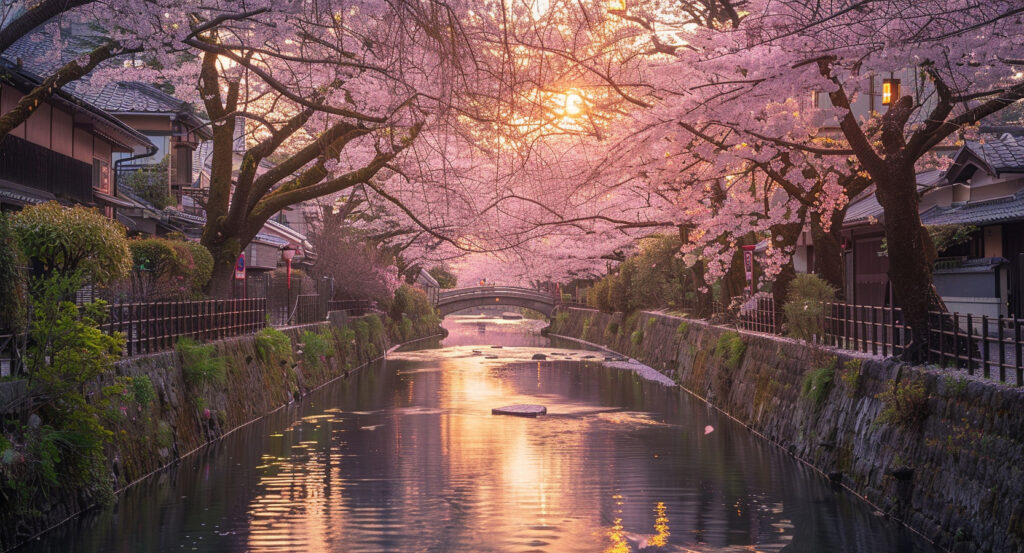
Why you should experience Gion Misen Furumonzen in Kyoto, Japan.
Gion Misen Furumonzen is Kyoto encountered through stillness and proximity, a stay that places you directly inside one of the city's most historically charged neighborhoods while refusing to dilute it into performance or convenience.
Located along Furumonzen Street near Chion-in and the quieter edge of Gion, this property sits where Kyoto's ceremonial past and residential present quietly overlap. Arrival feels subdued and intentional. There is no dramatic entrance, no architectural flourish designed to announce luxury. Instead, the transition from street to interior is almost imperceptible, as if the building has always belonged to the lane and you are simply stepping into it. Inside, the atmosphere is calm and measured. Interiors rely on restraint rather than ornament: natural wood, stone, neutral surfaces, and carefully modulated light that settles instead of drawing attention. The scale is intimate. Corridors are short, rooms unfold without excess, and nothing feels oversized or performative. The hotel encourages awareness through quiet, asking you to register sound, movement, and light. Guest rooms continue this philosophy with disciplined simplicity. Rooms are modest in size but feel complete, resolved through proportion. Beds are low and grounding, supporting sleep that feels steady and uninterrupted. Windows frame narrow streets, temple walls, or inner courtyards, reinforcing a sense of enclosure. You remain aware of Gion's presence. Furniture is minimal and purposeful, each piece serving a clear function. Storage is discreet, allowing the room to remain visually calm once unpacked. Lighting is warm and controlled, designed to support early mornings and quiet evenings. Bathrooms are compact but carefully planned, emphasizing comfort, water consistency, and privacy. Daily routines feel contained and gentle, aligning with the neighborhood's unspoken expectations. There are no large communal areas competing for attention. The hotel's restraint allows the surrounding district to remain the primary experience. Service is light, respectful, and precise. Interactions are brief and clear, shaped by an understanding that Gion demands discretion. Guidance focuses on conduct and timing as much as navigation: when to walk, where to pause, how to move. Gion Misen Furumonzen attracts travelers who value sensitivity over access: couples, solo travelers, repeat visitors to Kyoto, and those who understand that staying in Gion requires awareness. This is not a hotel that explains Kyoto or curates it for you. It places you quietly inside it and trusts you to respond with care.
What you should know about Gion Misen Furumonzen.
Gion Misen Furumonzen was conceived around the principle that hospitality in historic districts must reduce impact rather than amplify presence, and every design choice reflects that restraint.
Rather than introducing themed interiors or overt cultural references, the property relies on absence and proportion. Architecture is intentionally subdued so that the surrounding streetscape remains dominant. Materials were selected for acoustic softness and visual neutrality, allowing sound to dissipate and light to settle. Guest room layouts prioritize containment and clarity, minimizing internal circulation and reducing opportunities for noise. Lighting systems were calibrated carefully to avoid exterior spill, preserving the nighttime quiet of Furumonzen Street and nearby temple grounds. Bathrooms and utilities were integrated discreetly so modern comfort does not intrude on atmosphere. Operational practices reinforce this philosophy. Staff training emphasizes discretion, situational awareness, and timing. Interactions are intentionally minimal, respecting both guest privacy and neighborhood rhythms. The hotel's success depends on guests who understand context and move accordingly. Over time, Gion Misen Furumonzen has become a preferred stay for travelers who want proximity to Gion. In a district often strained by visibility and tourism pressure, the hotel distinguishes itself by doing less, preserving more, and allowing the neighborhood to remain intact.
How to fold Gion Misen Furumonzen into your trip.
Gion Misen Furumonzen works best when you allow the neighborhood to guide your behavior rather than your checklist.
Begin mornings early, stepping out before the streets gather attention. Walk toward nearby temples and gardens while light is soft and movement is minimal. Observe how the area transitions from private to public. Use the hotel as a point of return. Because the environment is intimate, coming back midday feels grounding. Sit quietly, reset, and let the district settle again before continuing elsewhere. Afternoons are ideal for slow exploration: nearby shrines, side streets, small galleries, and tea houses that reward discretion and patience. Evenings should remain restrained. Dine close by, return early, and allow the hotel's quiet to close around you as the area descends into silence. Night here feels private and rare, defined more by absence than activity. Gion Misen Furumonzen pairs especially well with shorter stays, repeat visits, and travelers who value awareness over access.
Where your story begins.
Foresyte Travel reveals places that feel extraordinary long before you arrive.
Experience premium editorial crafted for luxury travelers.

















































































































