Why you should experience Hotel de Orangerie in Brugge, Belgium.
Hotel de Orangerie is where Brugge reveals its most intimate register, a canal-side refuge that transforms the city's famed beauty into something lived, quiet, and deeply personal.
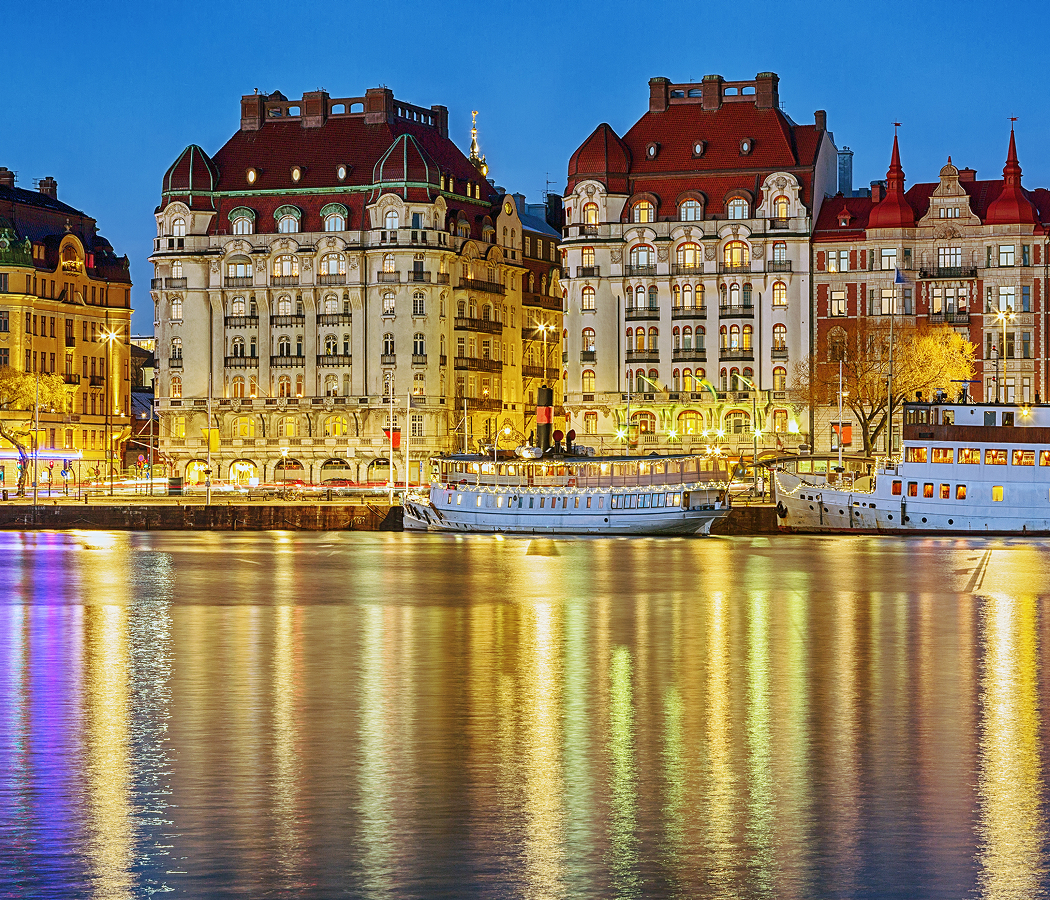
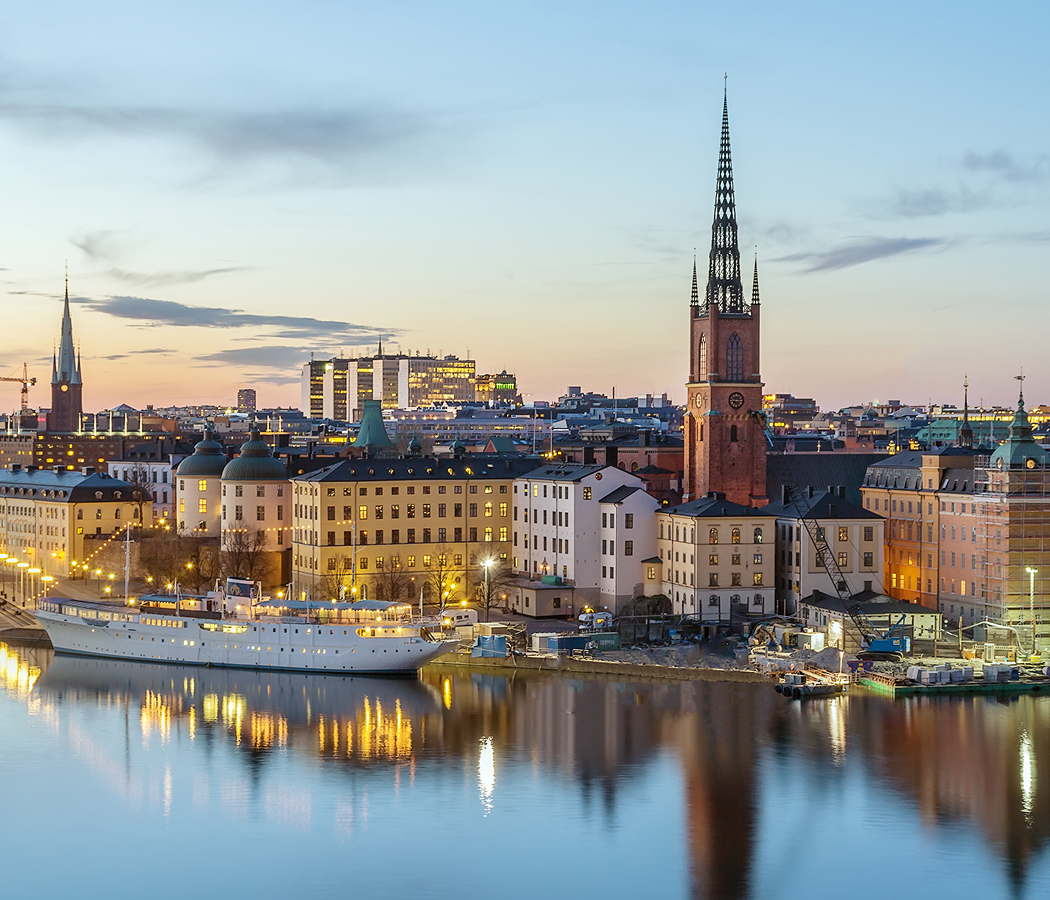
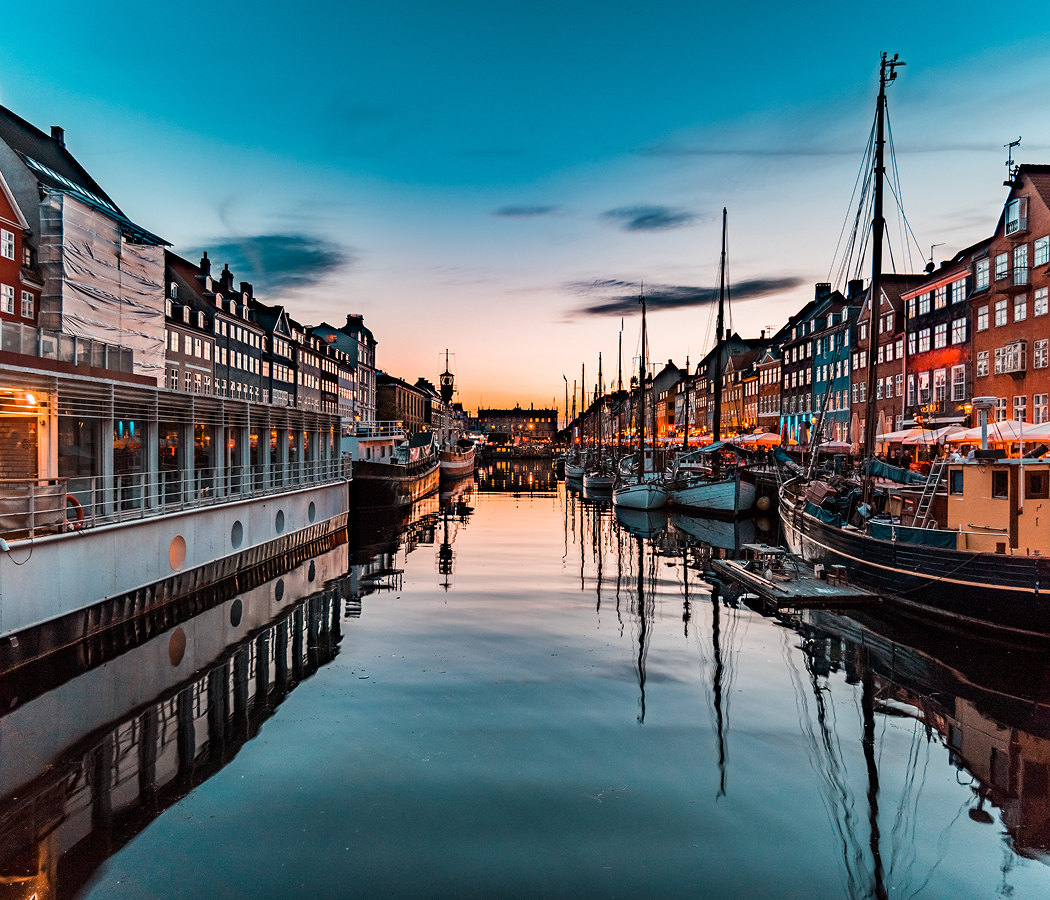
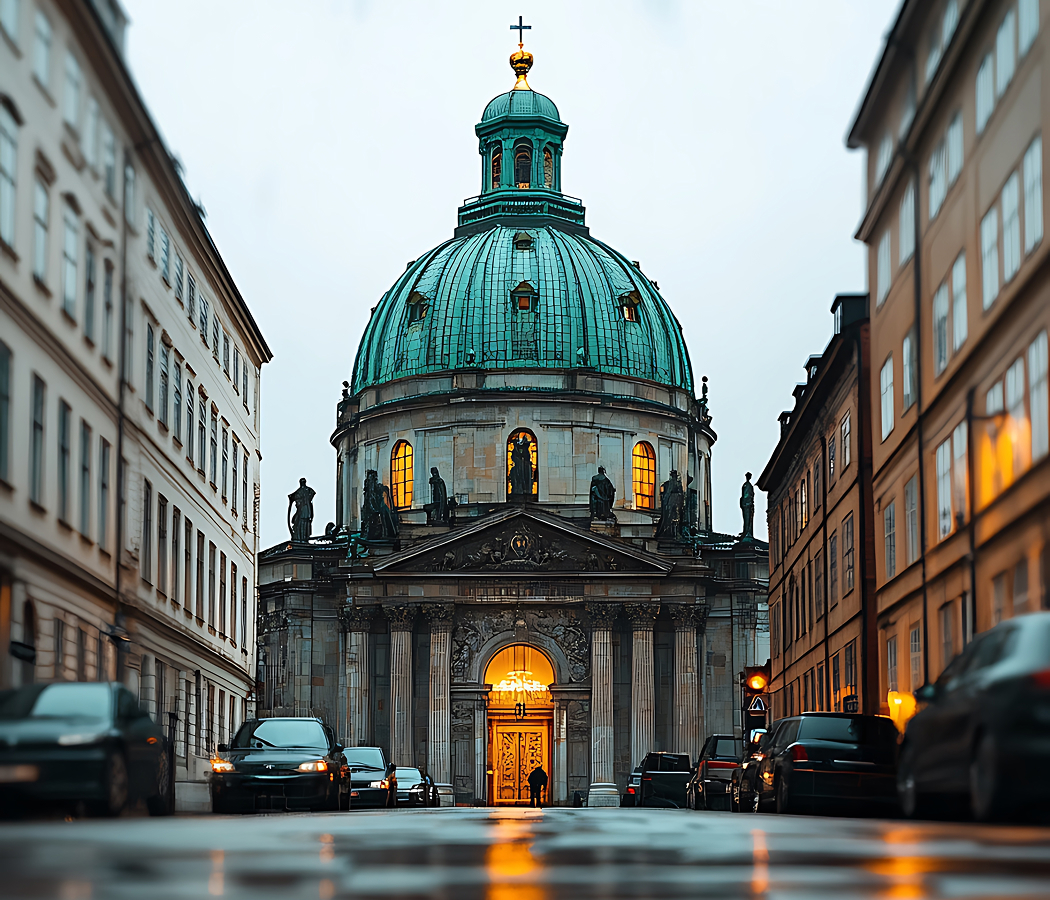
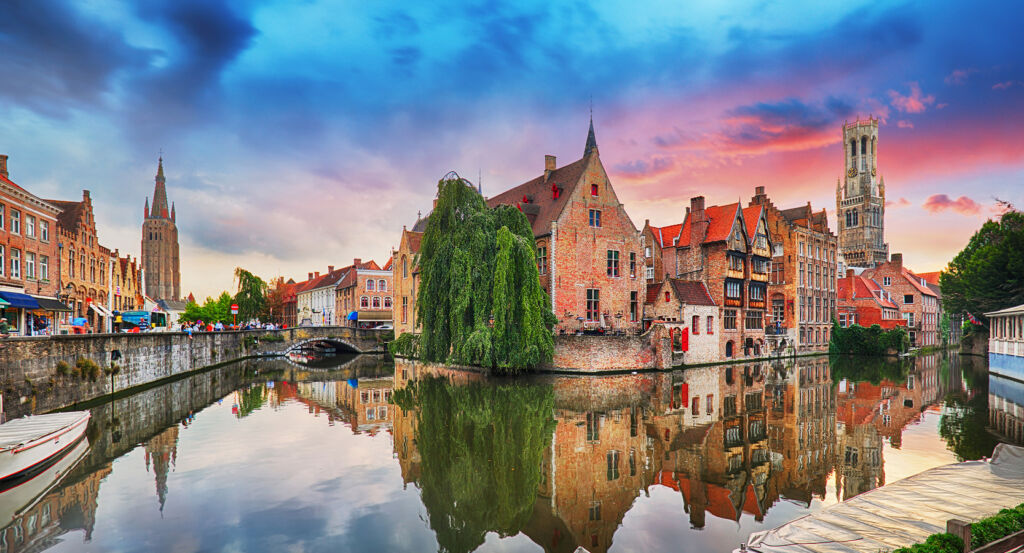
Brugge is often approached as a visual experience, a city admired through façades, reflections, and carefully framed viewpoints, but Hotel de Orangerie shifts the relationship. Instead of positioning you as a spectator, it places you inside the city's softer interior rhythm. Set directly along one of Brugge's most serene canals, the hotel feels woven into the city's fabric. Arrival is understated and deliberate, with no theatrical reveal or sense of performance. The building presents itself with calm confidence, allowing the canal, stone, and light to speak first. Inside, the atmosphere is composed and convivial, shaped by warm materials, restrained color palettes, and a spatial arrangement that favors pause over procession. Public spaces unfold gently, with lounges and sitting areas that feel residential rather than ceremonial, encouraging lingering without obligation. The design language throughout is cohesive but never rigid, balancing classic elegance with lived-in comfort. Guest rooms extend this sense of intimacy. Each room feels carefully proportioned and intentionally quiet, designed to support rest, reflection, and attention. Beds are deeply comfortable and grounded, lighting is soft and adjustable, and furnishings emphasize texture and quality over statement. Windows frame canal water, rooftops, or narrow streets in a way that makes Brugge feel present but not intrusive, allowing the city's slow movement to become part of the room's atmosphere. Bathrooms are thoughtfully arranged, with generous surfaces, quality fixtures, and a sense of ease that elevates daily ritual into something calm and unhurried. Throughout the hotel, sound is carefully managed. The city's presence is perceptible but softened, creating an acoustic environment where footsteps, conversation, and silence coexist. Service at Hotel de Orangerie mirrors this restraint. Staff interactions are warm, attentive, and precise, delivered with a confidence that comes from knowing when to engage and when to step back. The location completes the experience. You are moments from Brugge's historic core, yet returning to the hotel feels like entering a protected interior world, one where the pace slows and the city's intensity recedes. Hotel de Orangerie does not attempt to dramatize Brugge or compete with its grandeur. Instead, it offers a place where the city's elegance becomes something you inhabit quietly, allowing its beauty to unfold through presence.
What you should know about Hotel de Orangerie.
Hotel de Orangerie occupies a building whose history is inseparable from Brugge's long tradition of mercantile life, civic continuity, and architectural restraint, a lineage that still shapes how the hotel feels today.
The structure dates back to Brugge's medieval prosperity, when canals functioned as arteries of trade and daily life. Buildings along these waterways were designed for durability, proportion, and adaptability, qualities that remain legible in the hotel's layout and materials. Rather than stripping the building of its past or turning it into a theatrical set, restorations have emphasized continuity. Original stonework, arches, and spatial relationships were preserved wherever possible, allowing the architecture to retain its authority. One lesser-known aspect of the hotel is how deliberately it mirrors Brugge's urban logic. The city itself alternates between compression and release, narrow streets opening suddenly onto broader squares or quiet waterways. Inside the hotel, this rhythm continues. Intimate corridors lead into more open lounges, lower ceilings transition into brighter volumes, and private spaces remain clearly defined. This sequencing creates an experience that feels intuitive and calming, even to first-time visitors. Another defining element is the hotel's relationship with light. Windows are positioned to catch subtle changes throughout the day, allowing reflections from the canal and shifting skies to animate interiors. Materials were chosen not for trend but for how they absorb and reflect light over time, giving spaces a sense of quiet movement. Over the years, Hotel de Orangerie has attracted travelers who value depth over display. Writers, artists, repeat visitors, and those who return to Brugge for its atmosphere rather than its landmarks often cite the hotel's internal calm as a reason they come back. The service philosophy reinforces this identity. Recommendations are offered with local understanding rather than scripted enthusiasm, guiding guests toward experiences that reward attention rather than speed. In a city where history is often consumed visually, Hotel de Orangerie stands apart by preserving history as something spatial and experiential, allowing guests to feel Brugge's continuity.
How to fold Hotel de Orangerie into your trip.
Hotel de Orangerie works best when you allow it to become the quiet counterweight to Brugge's public beauty, shaping your days through rhythm.
Begin your mornings slowly, letting canal light and silence set the tone before stepping out. Brugge rewards this approach. Walk from the hotel without urgency, allowing side streets, bridges, and small details to reveal themselves. Visit the major squares and museums, but resist the impulse to stack experiences too tightly. Midday returns to the hotel should be part of the plan, not an afterthought. A pause in the lounge, a moment by the canal, or time in your room recalibrates your senses, making the city's layers easier to absorb. In the afternoon, explore Brugge's quieter dimensions: artisan workshops, lesser-visited churches, and neighborhoods where daily life continues beyond tourism. The hotel's location makes these excursions feel seamless. Evenings benefit from restraint. Choose dinner nearby, then walk slowly back along the canal as the city empties and light softens. Returning to the hotel at night feels less like ending the day and more like holding it in suspension. On longer stays, this pattern becomes essential. Alternating outward exploration with inward stillness prevents fatigue and allows Brugge's richness to feel cumulative. Each day acquires its own texture, shaped as much by pauses as by activity. When departure arrives, leaving Hotel de Orangerie feels measured rather than abrupt, as though you are stepping back into motion from a place that exists slightly outside of it. The hotel does not push Brugge forward or reinterpret it. It provides the conditions to experience the city as it has always been meant to be experienced: quietly, attentively, and with room for the city's deeper character to surface on its own terms.
Where your story begins.
Foresyte Travel reveals places that feel extraordinary long before you arrive.
Experience premium editorial crafted for luxury travelers.