
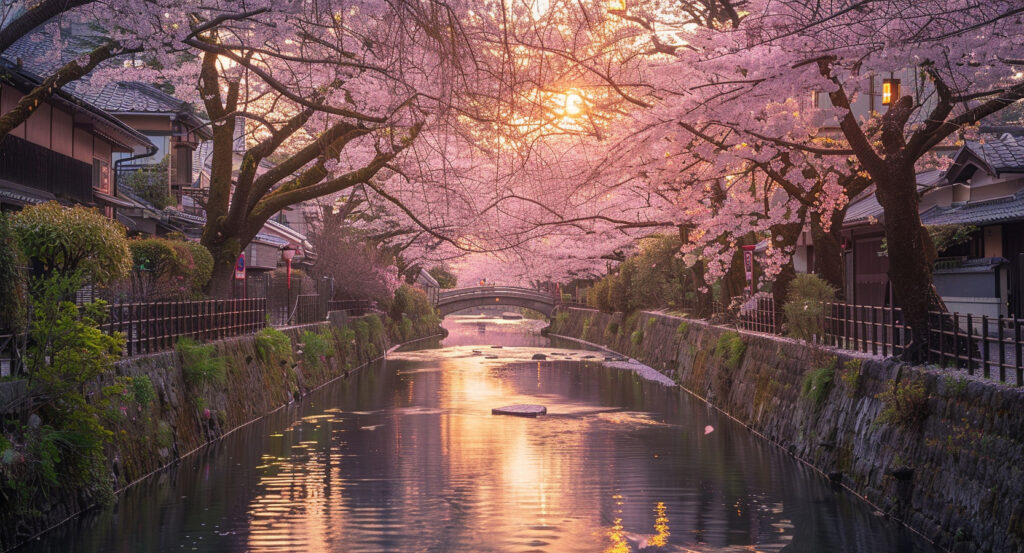
Why you should experience Hotel Gion Ichirin in Kyoto, Japan.
Hotel Gion Ichirin is Kyoto distilled into intimacy, restraint, and deliberate quiet, a stay that treats proximity to tradition not as performance but as responsibility.
Located deep within Gion's residential fabric, Ichirin does not announce itself. There is no theatrical frontage, no visual claim on the street. Arrival feels almost private, as though you have been permitted entry. The surrounding lanes are narrow, hushed, and governed by unspoken rules of conduct, and the hotel responds by mirroring that tone. Inside, the atmosphere is composed and hushed, defined by low light, soft textures, and carefully controlled transitions between spaces. Movement is slow here by design. Corridors are short, doors close gently, and sound is absorbed. The hotel immediately signals that this is a place where awareness matters. Guest rooms reinforce that message with a sense of deliberate enclosure. Rooms are not large, but they are deeply intentional. Every element feels chosen to reduce noise, visual distraction, and excess motion. Beds are low and grounding, encouraging rest that feels settled. Sleep here carries a different quality, shaped by silence and stillness. Windows look onto quiet streets or internal spaces, keeping your attention close. You remain in Gion, but you are not consuming it visually. Furniture is minimal and resolved. There is nothing ornamental, nothing included for effect. Storage is discreet, allowing the room to remain visually calm even after unpacking. Lighting is warm and carefully restrained, designed to support late evenings and early mornings. Bathrooms are refined and intimate, prioritizing comfort, water consistency, and privacy. Bathing feels like a closing ritual. There are no expansive public areas competing for attention. The hotel does not invite congregation or social energy. Its role is to support withdrawal and attentiveness. Service follows the same philosophy. Interactions are minimal, respectful, and quiet. Staff communicate clearly and sparingly, with an awareness that presence in Gion carries obligation. Guidance focuses on conduct as much as navigation: when to walk, where to pause, how to move. Hotel Gion Ichirin attracts travelers who understand the weight of the neighborhood: couples seeking privacy, repeat visitors to Kyoto, and guests who value silence and discretion over access and activity. This is not a hotel for first impressions or itinerary building. It is a place for those who want to experience Gion.
What you should know about Hotel Gion Ichirin.
Hotel Gion Ichirin was shaped by the belief that hospitality in Gion must be invisible, supporting presence.
Rather than introducing design motifs or aesthetic narratives, the hotel relies on subtraction. Architecture and interiors are intentionally restrained so that the neighborhood remains dominant. Materials were selected for acoustic softness and visual neutrality, ensuring that sound dissipates and light settles. Guest room layouts were planned around privacy and containment, reducing internal circulation and minimizing opportunities for noise. Lighting systems were calibrated to avoid exterior spill, preserving the visual quiet of Gion's streets at night. Bathrooms and utilities were integrated discreetly so modern comfort does not intrude on atmosphere. Operational practices emphasize discretion and timing. Staff are trained to observe rather than perform, intervening only when necessary and retreating immediately afterward. The hotel's success depends on guests who understand context and behave accordingly. Over time, Ichirin has become a preferred stay for travelers who seek proximity to Gion. In a district strained by visibility and tourism, the hotel's restraint is not aesthetic, it is ethical.
How to fold Hotel Gion Ichirin into your trip.
Hotel Gion Ichirin works best when you allow Gion to shape your behavior rather than your schedule.
Begin mornings very early, stepping out before the streets fill, when light is soft and the neighborhood feels lived. Walk without destination, letting small details register: the sound of water, the rhythm of doors opening, the way the street changes tone block by block. Return midday if needed, not to escape the city but to recalibrate. Afternoons should remain light. Visit nearby temples, sit quietly along the river, or move slowly through adjacent districts. Evenings demand restraint. Dine close by, return early, and let the hotel close around you as the neighborhood settles into silence. Late nights here feel rare and deeply private, shaped more by absence than activity. Hotel Gion Ichirin pairs especially well with short stays, repeat visits, and travelers who value sensitivity over access.
Where your story begins.
Foresyte Travel reveals places that feel extraordinary long before you arrive.
Experience premium editorial crafted for luxury travelers.

















































































































