Why Hotel Lilla Roberts matters.
Hotel Lilla Roberts is a refined, design-savvy urban residence where Scandinavian restraint meets timeless elegance, creating a stay that feels thoughtful and intentional.
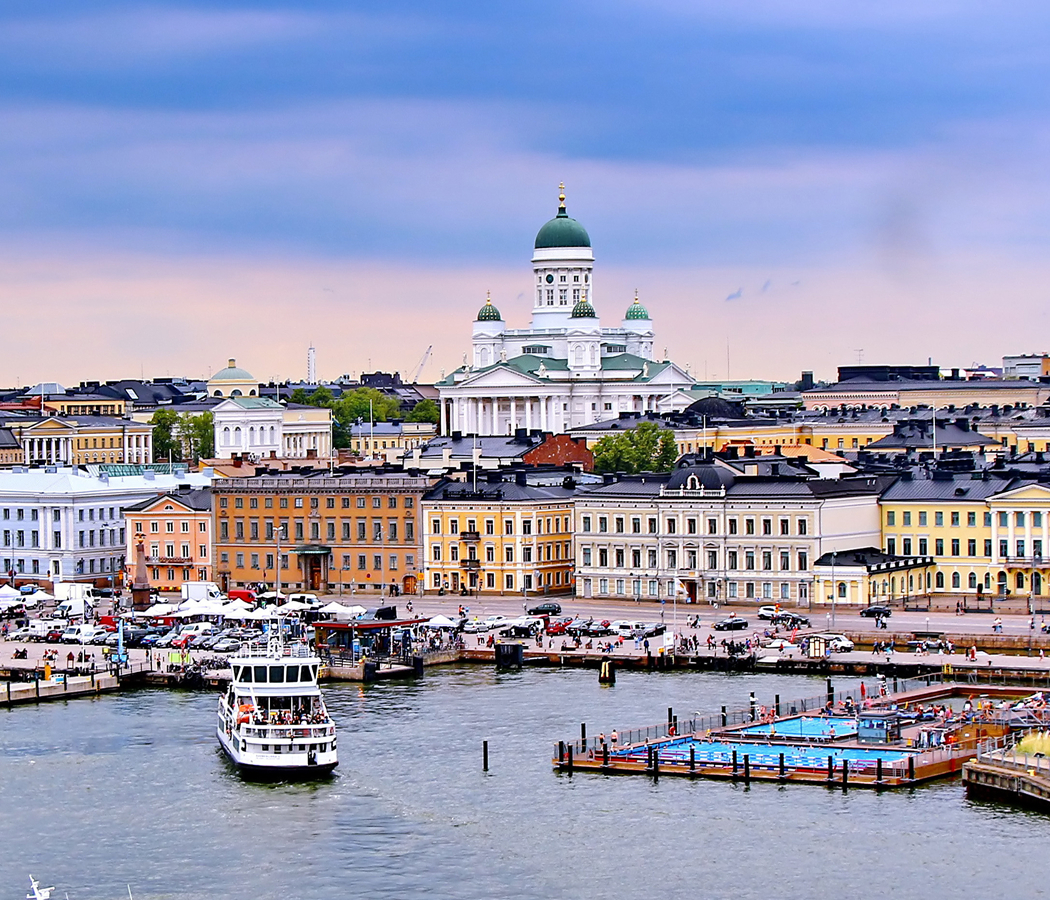
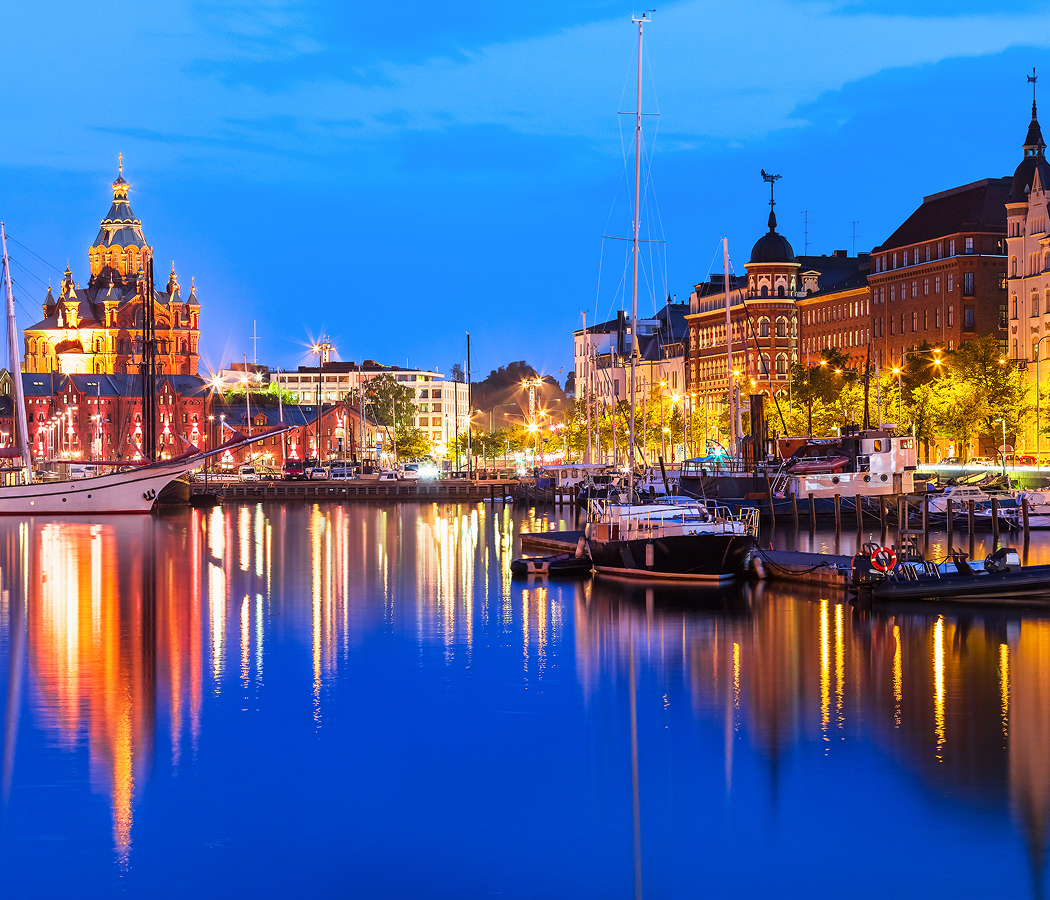
Tucked into Helsinki's central quarters, the hotel avoids the clichés of downtown hospitality, no forced theatrics, no physical excess. Instead, arrival feels composed and immediate: a clear spatial pathway guides you from street to reception with an ease that preserves attention. Public interiors are arranged with precision, reinforcing a sense of clarity and purpose. Seating is positioned for stillness and reflection as much as for social exchange. Lighting is calibrated to enhance presence. Materials, oak, matte stone, soft textiles, are chosen for tactile consistency and endurance rather than novelty, creating an environment where your body can settle quickly without cognitive friction. Guest rooms extend this character of composed comfort into private space. Layouts are generous and intelligently resolved, giving you room to unpack, stretch, and inhabit. Beds are engineered for deep, reliable rest, with linens and ergonomics that support sustained sleep. Windows frame urban textures, rooftops, streets, glimpses of Helsinki's everyday life, reminding you that you are embedded in a functioning city. Bathrooms are arranged around workflow rather than ornament, making morning routines feel smooth rather than forced. Across the hotel, every choice feels engineered to preserve resonant and cognitive bandwidth so your priorities, exploration, rest, engagement, remain central. Hotel Lilla Roberts is ideal for travelers who value spatial clarity, private comfort, and a stay that feels composed.
What defines Hotel Lilla Roberts.
Hotel Lilla Roberts operates on a principle of restrained presence rather than theatrical identity, and that orientation shapes how guests experience both the built environment and Helsinki itself.
Instead of signaling character through expressive motifs or dramatic gestures, the hotel emphasizes proportion, tactile continuity, and intentional sequencing. Public zones are spatially legible: sightlines are straightforward, thresholds are clear, and movement through the space feels inevitable. This reduces decision fatigue, a form of cognitive load that accumulates quietly in less coherent environments, and helps preserve energy over multi-day stays. Materials are selected for physical neutrality over impact. Surfaces feel familiar to the body and consistent over time, which means the environment doesn't demand interpretation; it simply supports activity. Acoustic design further reinforces this coherence. Exterior urban sounds, distant traffic, pedestrian motion, city hum, remain present as context but are absorbed into a calm interior layer rather than intruding on rest or focus. This balance preserves a sense of place without compromising decompression, which is rare in central properties. Lighting plays a critical role in resonant regulation. Rather than relying on contrast or performance, illumination is even and warm, supporting both alertness during active hours and gradual wind-down at night without jarring the nervous system. Service culture mirrors this operational clarity. Interactions are warm, precise, and appropriately paced; assistance is offered efficiently and then withdrawn, allowing autonomy. Another understated strength of the hotel is how it supports routine formation. Because the environment behaves predictably and without unnecessary stimulus, your daily rhythms, morning departure, midday return, evening decompression, become cognitive anchors rather than logistical chores. Over several nights, this stability becomes a form of luxury: your attention remains available for the city rather than being spent decoding your accommodation. Hotel Lilla Roberts doesn't interpret Helsinki for you. It positions you so the city's architecture, streets, and everyday life remain the defining context of your visit.
How Hotel Lilla Roberts fits.
Hotel Lilla Roberts works as a stable base of presence rather than as a staging ground for isolated events.
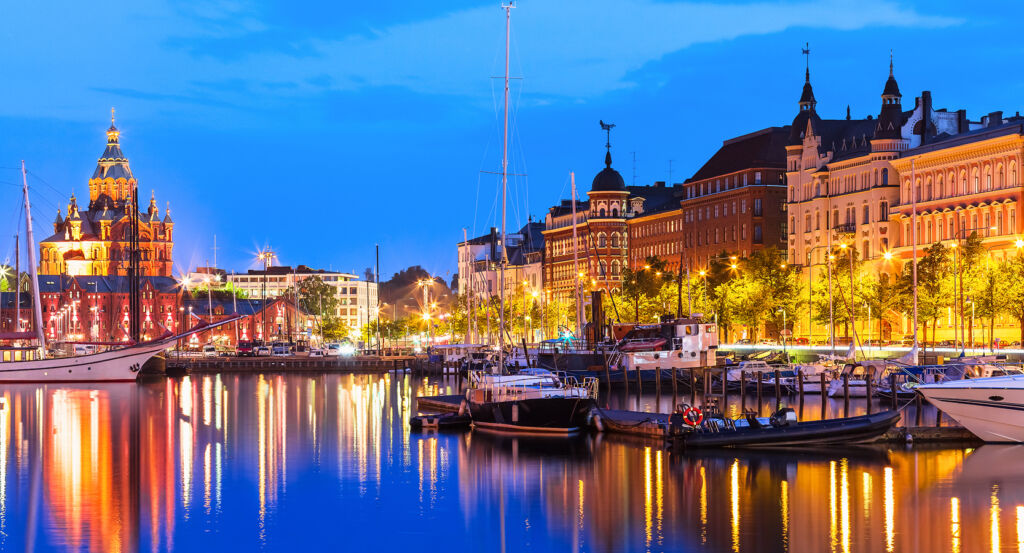
Begin your mornings with clarity. Step out into Helsinki's streets before crowds gather, letting the city's layout, boulevards, parks, public buildings, unfold with incremental logic. Return midday not as a retreat, but as a reset: sit, plan, or decompress without physical hangover, because the interior supports calm focus rather than requiring it. From here, expand your exploration: art districts, civic architecture, design studios, and waterfront promenades all lie within reachable distance and invite engagement. Mid-afternoon returns feel genuinely restorative, a pause that strengthens intention. Evenings unfold with flexibility: dine at a contemporary Nordic table, enjoy cultural programming, or take long walks under urban illumination before returning to sleep that feels deep. For longer stays, this rhythm becomes increasingly valuable. Days feel continuous instead of fragmented, and Helsinki reveals itself through layered participation rather than brief highlights. Business travelers benefit from the hotel's composure, predictable structure, and ability to absorb demanding schedules. Leisure travelers gain resonant space that transforms Helsinki from a series of points on a map into a navigable, lived city. Anchoring your stay at Hotel Lilla Roberts allows Helsinki to be encountered with presence, intent, and sustained clarity, and the hotel does not frame the city for you; it enables you to inhabit it with focus, ease, and durable energy.
Where your story begins.
Foresyte Travel reveals places that feel extraordinary long before you arrive.
Enjoy editorial crafted for luxury travelers.
Foresyte may earn a commission when you book.