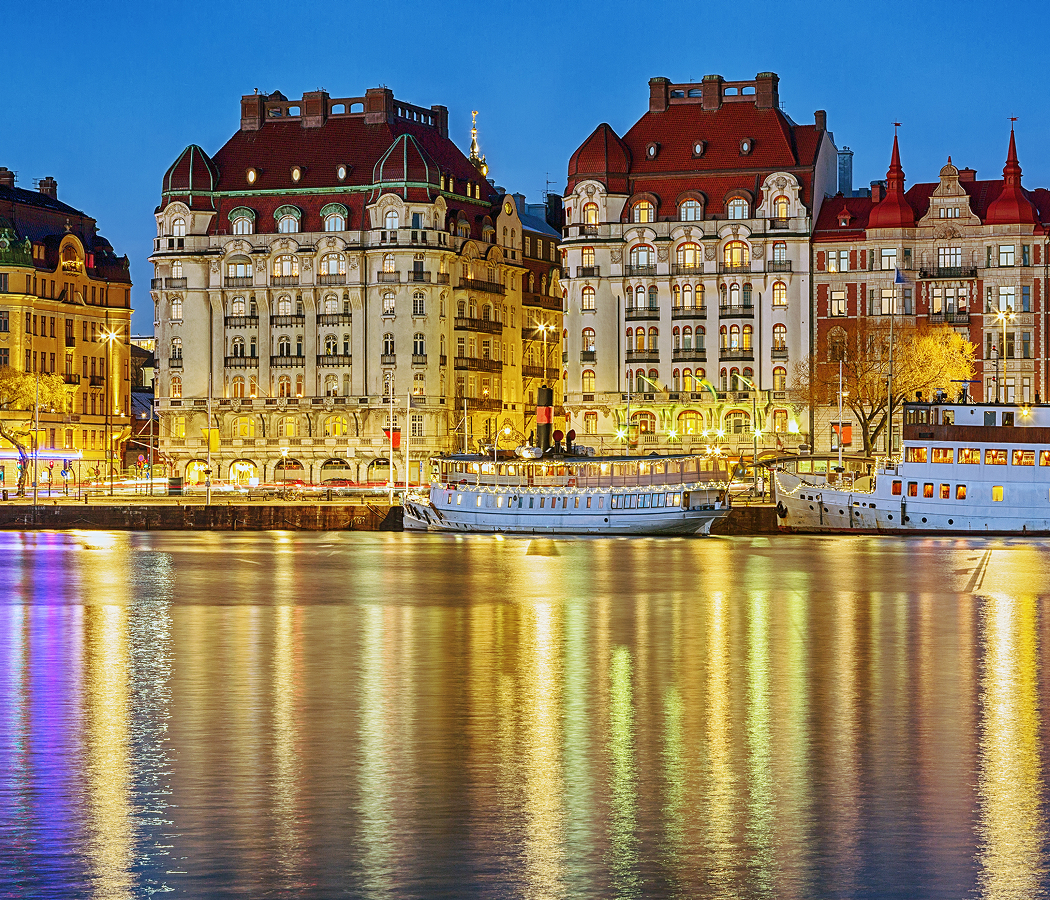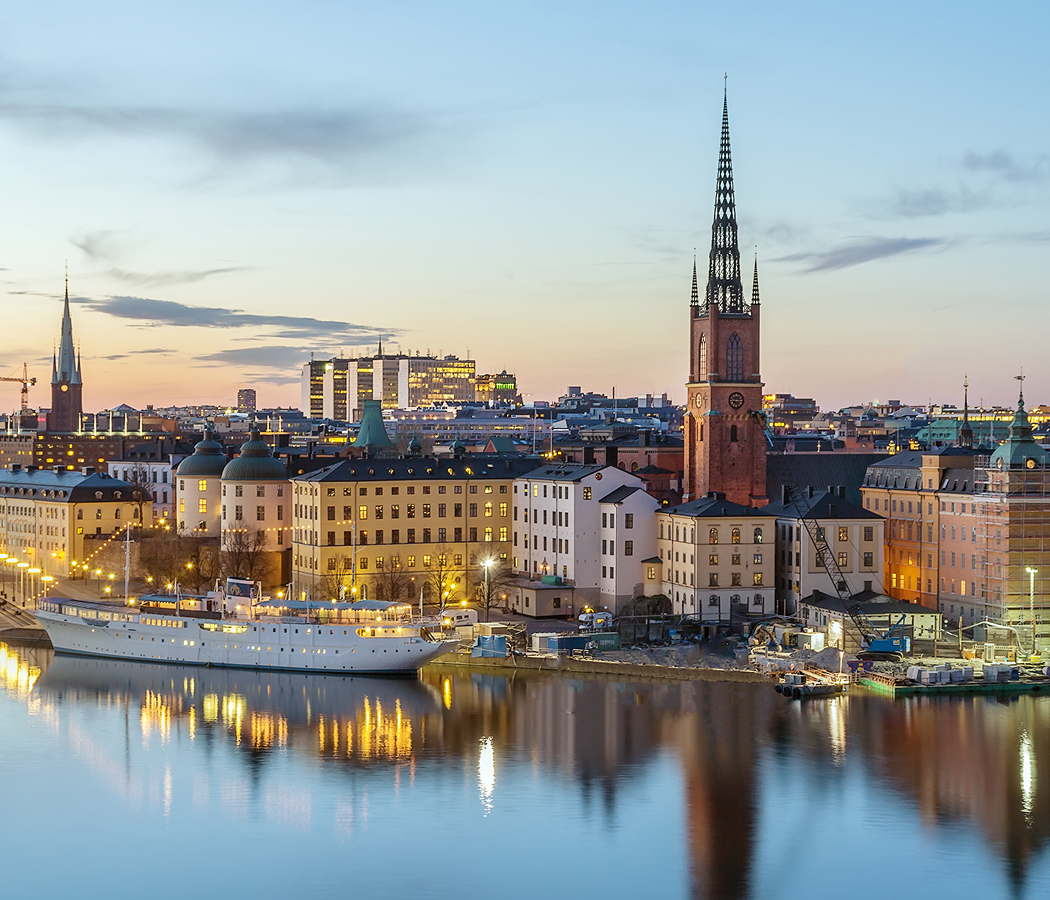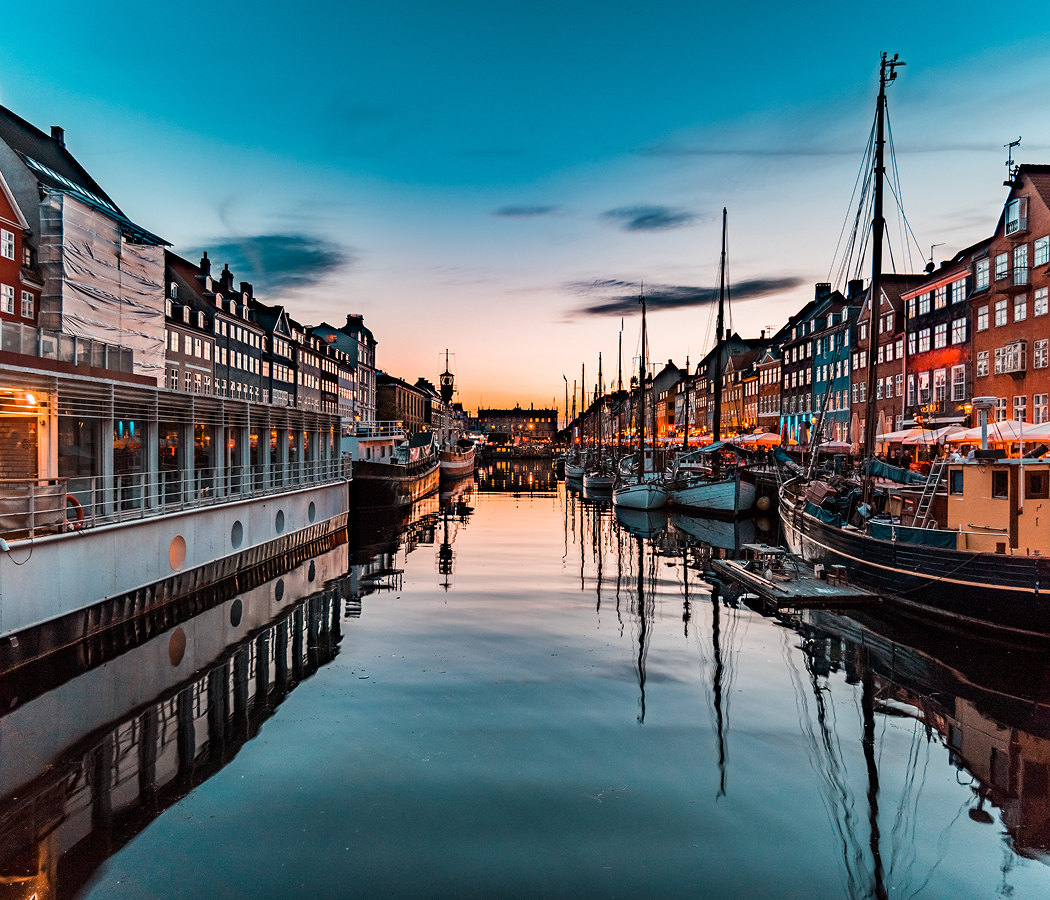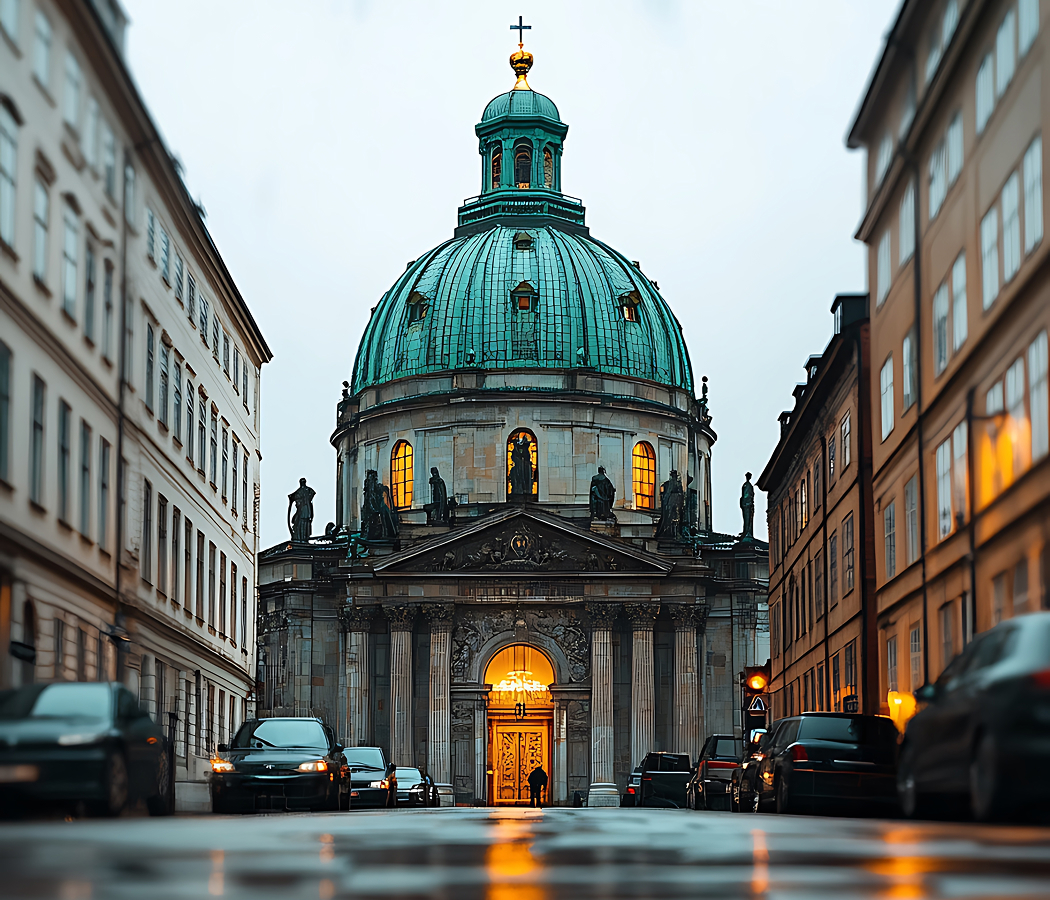
Why you should experience Hotel Patritius in Brugge, Belgium.
Hotel Patritius is where Brugge reveals its civic backbone, a stay rooted in the city's patrician past that replaces romance with structure and shows how Brugge once functioned as a place of governance, responsibility, and lived authority.
Brugge is often consumed through its prettiest surfaces. Canals, stepped gables, and preserved streets dominate attention, encouraging a view of the city as decorative and gently nostalgic. Hotel Patritius redirects that lens. Housed in a former patrician residence near the historic center, the hotel situates you within a layer of Brugge defined not by ornament but by order. Arrival feels grounded and deliberate. The exterior carries the weight of permanence without theatricality, signaling that this building once belonged to people whose role in the city was administrative rather than performative. Stepping inside, the atmosphere immediately shifts toward restraint and composure. Interiors are calm, measured, and quietly formal, shaped by symmetry, proportion, and an absence of excess. Public spaces are modest in scale but dignified, designed to support presence. There is a sense that rooms were meant to be occupied thoughtfully. Movement through the hotel feels steady, reinforcing a rhythm that mirrors the building's original purpose. Guest rooms continue this emphasis on structure and clarity. Spaces are well-proportioned and composed, offering comfort. Beds are supportive and positioned as places of genuine rest. Lighting is practical and warm, calibrated to support daily routine. Furnishings emphasize durability and usefulness, reflecting a philosophy of longevity. Windows frame streets, courtyards, or interior views that keep the city present. Bathrooms are clean, efficient, and thoughtfully arranged, prioritizing function, warmth, and ease of use. Throughout the hotel, sound is managed. Thick walls and inward-facing layouts create an environment where quiet feels structural. Even during busy periods, the hotel maintains a sense of insulation that allows Brugge's intensity to be absorbed gradually. Service at Hotel Patritius reflects this same character. Interactions are courteous, attentive, and measured, guided by professionalism. Assistance feels reliable and clear, offering guidance. The location reinforces the hotel's identity. While firmly within walking distance of Brugge's landmarks, the surrounding streets feel composed and orderly. Returning to the hotel always feels like stepping back into a more deliberate register. Hotel Patritius does not attempt to soften Brugge or romanticize it. It offers a view of the city as it once operated, providing a base that values stability, clarity, and quiet authority over charm or performance.
What you should know about Hotel Patritius.
Hotel Patritius occupies a building tied to Brugge's patrician class, a social layer that shaped the city through governance, trade regulation, and civic responsibility.
Patrician families in medieval and early modern Brugge formed the backbone of the city's administrative life. Their residences were not designed to impress the public, but to support sustained decision-making, record-keeping, and domestic continuity. This context is essential to understanding the hotel's character today. The building's layout emphasizes order and separation, with rooms arranged to support privacy, concentration, and control. When the residence was adapted for hospitality, the guiding principle was preservation of function. Original spatial logic was respected, allowing the building's disciplined character to remain legible. One lesser-known aspect of the hotel is how intentionally it resists theatrical heritage. Unlike properties that foreground medieval décor or dramatize age, Hotel Patritius allows history to exist structurally. Architectural proportions, wall thickness, and circulation patterns carry the narrative. This restraint reflects patrician values, where authority was communicated through reliability and continuity. Another defining element is the hotel's relationship with time. Because the experience is not built around novelty or resonant highs, stays tend to feel stable. Guests often remark on the sense of balance that emerges over multiple days, a feeling rooted in the building's original purpose as a place for long-term inhabitation. The interior design supports this stability. Materials are chosen for longevity, colors are neutral and calming, and layouts avoid unnecessary complication. This reduces physical fatigue, making it easier to settle into a rhythm that feels sustainable. The service culture reinforces this orientation. Staff engagement prioritizes consistency and clarity, ensuring that interactions feel dependable. Over time, this has attracted a clientele that values structure and calm, travelers who prefer depth over drama. The hotel's name itself underscores this lineage. Patritius” references a social role defined by duty and stewardship, not privilege alone. In a city where history is often romanticized, Hotel Patritius preserves a quieter narrative, one centered on how Brugge governed itself and maintained continuity across centuries. It does not present history as performance. It allows it to remain embedded in walls, rooms, and rhythm.
How to fold Hotel Patritius into your trip.
Hotel Patritius works best when you allow it to shape your experience of Brugge through order and pacing.
Begin your mornings deliberately. The hotel's composed environment encourages structured starts, whether that means enjoying breakfast without distraction or reviewing plans calmly before heading out. From the hotel, enter Brugge with intention. Walk toward major landmarks along quieter routes, allowing the city to reveal itself gradually. Visit significant sites when interest is genuine. Because your base feels steady and accessible, exploration becomes purposeful. Midday returns to the hotel are particularly effective here. A brief pause allows the city's density to settle, restoring focus and clarity for the afternoon. Use this time to rest, read, or simply exist within a space that does not demand attention. In the afternoon, explore Brugge's institutional layers. Visit museums, civic buildings, and churches that reflect the city's administrative and cultural history. These experiences resonate more deeply when approached from a place of balance. Evenings benefit from moderation. Choose dining options that align with proximity and comfort rather than novelty, then return through streets that quiet quickly after dusk. Walking back to Hotel Patritius reinforces the sense of order that defines the stay. On longer visits, this rhythm becomes especially meaningful. Each day feels coherent rather than fragmented, shaped by repetition and familiarity rather than intensity. Brugge reveals itself not only through beauty, but through structure, and the hotel's character supports this mode of engagement. When departure day arrives, leaving Hotel Patritius feels composed rather than abrupt, as though you are stepping back into motion from a place that quietly organized your time rather than competed for your attention. The hotel does not attempt to narrate Brugge or frame it. It provides a stable, disciplined environment that allows the city's civic depth to surface gradually, leaving you with an understanding of Brugge that extends beyond surface beauty into how it has functioned, endured, and governed itself across time.
Where your story begins.
Foresyte Travel reveals places that feel extraordinary long before you arrive.
Experience premium editorial crafted for luxury travelers.