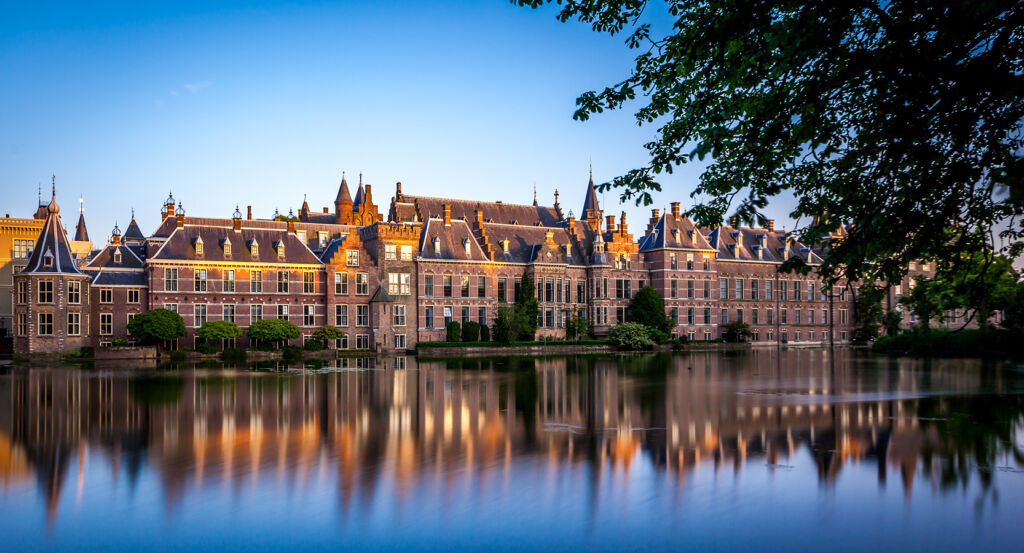
Why you should experience Hotel Sebel in The Hague, Netherlands.
Hotel Sebel is a quietly contemporary urban hotel that frames The Hague as a living, functional city rather than a museum piece, offering a stay defined by practicality, comfort without pretense, and the feeling of being exactly where you want to be without ceremony or confusion.
Located in a residential yet well-connected district west of the city center, the hotel sits in a neighborhood shaped by daily life, local rhythm, and authentic urban texture. Arrival feels immediate and grounded: you step off residential streets into an interior that signals purpose and welcome. The lobby and common areas are straightforward and uncluttered, arranged for ease of movement, wayfinding, and quiet pause. Seating is comfortable and human-scaled; lighting is balanced and functional, supporting visibility. The overall tone feels contemporary and relaxed, a place that respects your time, your need for rest, and your intention to engage with the city rather than be interrupted by your accommodation. Guest rooms extend this design logic with coherence. Layouts are clean and efficiently organized, offering enough room to unpack, settle, and inhabit. Beds are supportive and restful, engineered for reliable sleep after long days of exploration or work. The interior palette is neutral and calm, with materials chosen for tactile comfort and longevity. Windows open onto residential streets or internal perspectives, reinforcing the sense that you are embedded in The Hague's daily life. Bathrooms are practical and well-maintained, designed to support routine with clarity and ease. Across the property, the experience feels composed, dependable, and unobtrusively supportive. Hotel Sebel is ideal for travelers who want The Hague to feel accessible and alive, a city experienced through presence, habit, and local texture.
What you should know about Hotel Sebel.
Hotel Sebel is best known for uncomplicated hospitality, the principle that a hotel's value lies in how well it supports the realities of travel rather than how loudly it announces itself, and this philosophy quietly determines how the space feels from arrival through departure.
Unlike properties that rely on theatrical design or experiential script, Sebel prioritizes clarity and function. Circulation paths are direct and intuitive; you understand the building quickly, and once understood, it fades into the background of your stay. Materials throughout are chosen for presence rather than effect: surfaces feel solid and composed under hand, finishes are straightforward and durable, and overall, there is a sense that form follows function without austerity. This creates an environment where nothing competes for attention, allowing you to concentrate on the city. Acoustic conditions reflect the hotel's pragmatic orientation. Exterior city sounds are present as context but softened into the background, allowing rooms to function as true resting environments. You remain aware of being in an active city. Lighting strategy reinforces this constancy. Daytime illumination is bright and functional, facilitating orientation and movement. Evening lighting softens gently without dramatic contrast, signaling rest without physical intrusion. This consistency supports a wide range of travel patterns, early departures, late returns, midday resets. Service culture mirrors this uncomplicated logic. Interactions are professional, courteous, and efficient. Staff provide support with clarity rather than performance, offering help when needed and withdrawing gracefully when not. There is an implicit respect for autonomy here, guests are trusted to manage their experience while having support readily available. Another understated strength of Hotel Sebel is how it reframes residential proximity. Being placed in a neighborhood that is not fully central does not feel like distance here; it feels grounding. The surrounding streets carry the cadence of ordinary life, cafés, bakeries, daily routines, allowing the city to be experienced as lived. Over multiple nights, this shifts perception: The Hague begins to feel navigable and familiar. The hotel does not attempt to narrate Dutch history, political identity, or coastal character through décor or motif. Instead, it reflects a pragmatic, lived reality, the city as a functioning urban organism, through structure and support.
How to fold Hotel Sebel into your trip.
Hotel Sebel works best when you allow it to function as a practical anchor, a place that supports your engagement with The Hague by eliminating friction.
Begin your mornings with clarity. The hotel's calm, utilitarian interior allows you to orient before stepping into the city. From here, The Hague's civic corridors, cultural venues, and neighborhood cafés are all accessible. Use this proximity intentionally: explore early, return to reset, and reenter the city. Midday returns are especially effective at Hotel Sebel. Because the environment remains composed rather than dramatic, even brief pauses feel genuinely restorative. Whether it's a short rest, a shower, or planning your afternoon, the hotel absorbs return. Afternoons are well-suited to layered engagement, museum visits, long lunches, neighborhood wandering, supported by the knowledge that your base remains calm and easy to reenter. Evenings unfold with flexibility. Dine locally or centrally, explore nightlife, attend events or performances, then return to a space that restores balance. For longer stays, this rhythm becomes particularly effective. The Hague begins to feel navigable and familiar, experienced through repetition and routine. Business travelers benefit from the hotel's proximity to transit, dependable rest, and operational support that respects autonomy. Leisure travelers gain resonant bandwidth, the freedom to engage with the city without exhausting cognitive or physical energy at day's end. Anchoring your stay at Hotel Sebel allows The Hague to be encountered with clarity, comfort, and sustained presence. The hotel does not compete with historic palaces, design-forward boutiques, or seafront luxury properties. It offers uncomplicated presence, a platform from which every part of your trip, whether work, culture, exploration, or reflection, is supported. In doing so, it delivers a stay that feels grounded, accessible, and genuinely livable, a place where the city begins not at the door, but just beyond it.
Where your story begins.
Foresyte Travel reveals places that feel extraordinary long before you arrive.
Experience premium editorial crafted for luxury travelers.