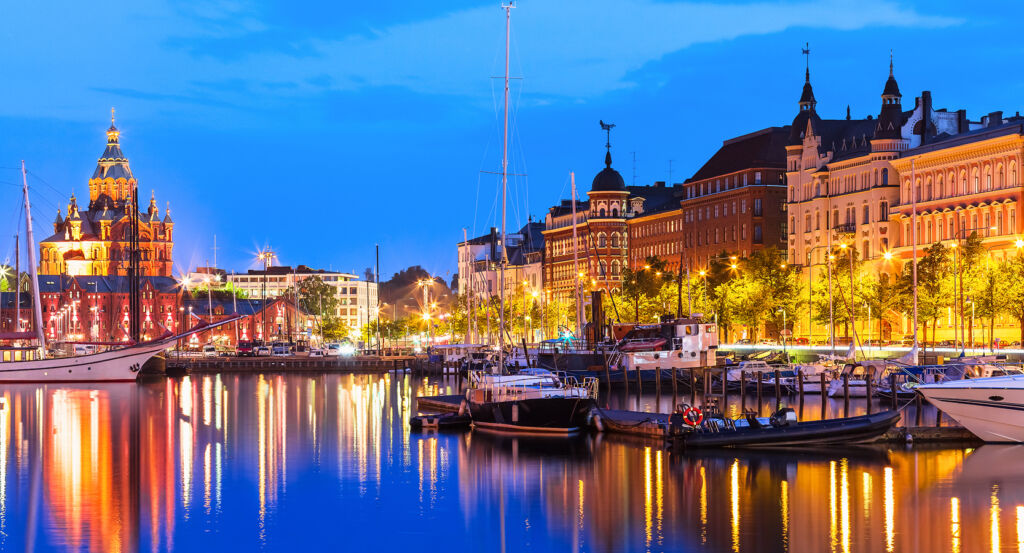
Why you should experience Hotel St. George Helsinki in Helsinki, Finland.
Hotel St. George Helsinki is a cerebral, art-driven urban retreat that treats hospitality as a discussion between beauty, wellness, and introspection, offering a stay that feels deliberate, layered, and emotionally intelligent.
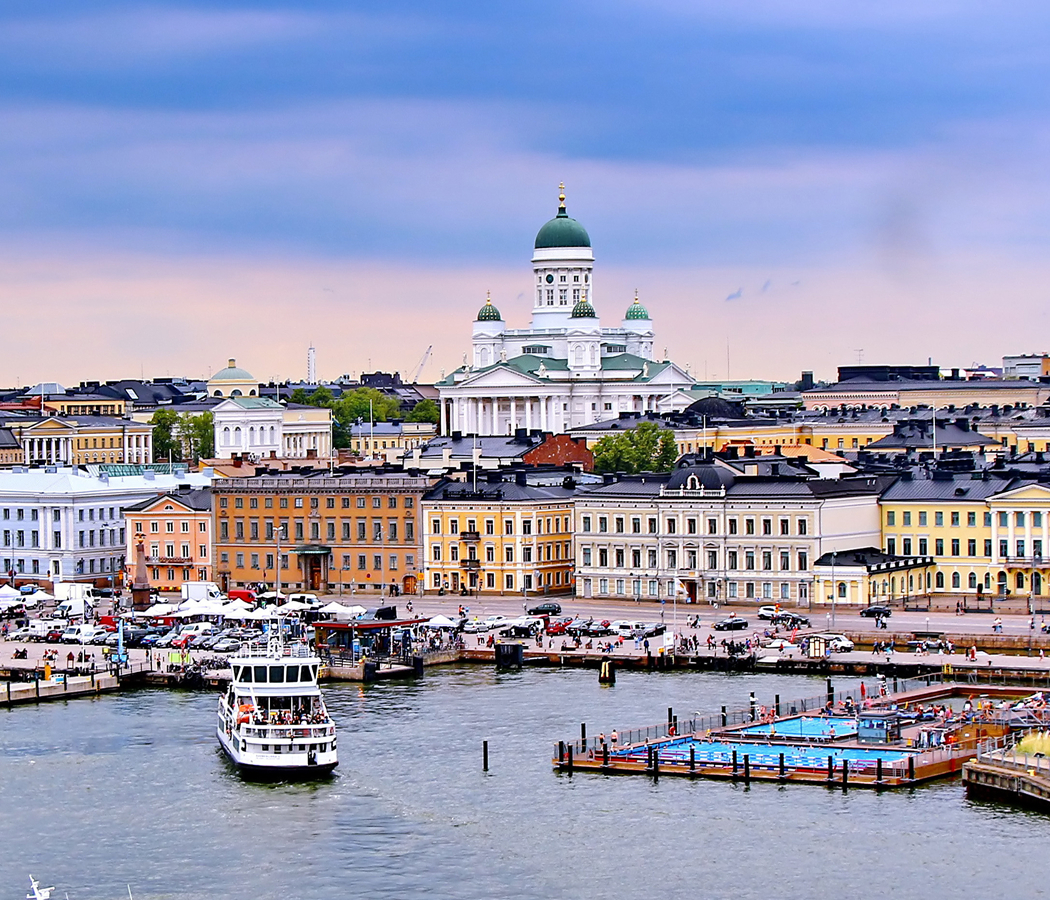
Occupying a historic building near Old Church Park, the hotel sits at a cultural crossroads where Helsinki's civic past meets its contemporary creative consciousness. Arrival feels intentional and quietly ceremonial. You do not step into a lobby designed for spectacle; you enter a space that feels curated for awareness. Public interiors are composed with museum-like restraint, where art, architecture, and negative space work together to slow perception. Movement through the hotel feels considered rather than fluid, encouraging attention to detail rather than momentum. Lighting is soft, directional, and expressive, often guiding the eye toward artwork or architectural nuance. The atmosphere is contemplative but not austere, a place that invites presence. Guest rooms extend this intellectual calm. Layouts are generous and composed, designed to support rest, reflection, and unbroken routine. Beds are positioned as centers of gravity, supporting deep rest. Materials are tactile and refined, surfaces chosen to be felt as much as seen, reinforcing a sense of quiet luxury that does not rely on scale or brightness. Windows often frame city streets or parkland, but the interior remains the dominant experience, drawing attention inward. Bathrooms are elegant and serene, designed as places of ritual. Across the property, the experience feels intentional, cultivated, and deeply personal. Hotel St. George Helsinki is ideal for travelers who want Helsinki to feel thoughtful and inward-facing, a city experienced through art, balance, and resonant depth.
What you should know about Hotel St. George Helsinki.
Hotel St. George Helsinki is built around the idea of restorative culture, the belief that art, design, and wellness are not amenities but conditions, and this philosophy quietly governs how the hotel functions as a living environment.
Rather than separating spaces by use alone, the hotel blurs boundaries between gallery, sanctuary, and residence. Art is not placed as decoration but integrated as resonant infrastructure, shaping how rooms are perceived and how time is felt. Circulation is intentionally non-linear, encouraging moments of pause and reorientation. Materials are chosen for resonant resonance as much as durability, stone, wood, and soft textiles that ground the body while the mind wanders. Acoustic design supports this inward focus. Exterior city sounds are softened into near-absence, allowing the interior to feel insulated. Silence here is not emptiness; it is a presence. Lighting strategy reinforces resonant pacing. Brightness is controlled, contrast is used sparingly, and warmth is sustained, creating an environment that supports circadian rhythm and mental steadiness. Service culture mirrors this character of care. Interactions are calm, articulate, and unhurried. Assistance feels thoughtful rather than transactional, aligning with guests who value awareness and autonomy over speed. Another understated strength of the hotel is how it encourages stillness. You are not removed from Helsinki, but you are given tools to engage with it selectively. Over multiple nights, the hotel becomes less a place you notice and more a condition you inhabit, one that preserves attention and resonant clarity. Hotel St. George Helsinki does not attempt to summarize Finnish culture or dramatize Nordic design. It creates an environment where reflection is possible, allowing guests to encounter the city, and themselves, with greater depth.
How to fold Hotel St. George Helsinki into your trip.
Hotel St. George Helsinki works best when you allow it to shape the tempo of your stay rather than treating it as a backdrop to activity.
Begin your mornings slowly. Let the hotel's calm interior set your internal pace before stepping into the city. From here, Helsinki's cultural institutions, design districts, and historic streets are easily accessible, but entry feels intentional. Use this to your advantage. Engage deeply, then return midday. The hotel absorbs these pauses naturally, offering space for reflection. Afternoons are ideal for experiences that mirror the hotel's sensibility, galleries, long walks, thoughtful meals, or quiet parks, knowing your base remains neutral and supportive. Evenings unfold with quiet richness. Attend performances, dine deliberately, or simply return early to let the hotel hold space for unwinding. Over longer stays, this rhythm becomes transformative. Helsinki begins to feel coherent and personal. Business travelers benefit from the hotel's ability to protect focus and mental clarity. Leisure travelers gain a deeper relationship with the city, one shaped by attention. Anchoring your stay at Hotel St. George Helsinki allows Helsinki to be experienced as a place of balance and intention. The hotel does not compete with the city or retreat from it. It creates conditions where beauty, rest, and awareness coexist, giving you a base that feels not just comfortable, but meaningful.
Where your story begins.
Foresyte Travel reveals places that feel extraordinary long before you arrive.
Experience premium editorial crafted for luxury travelers.