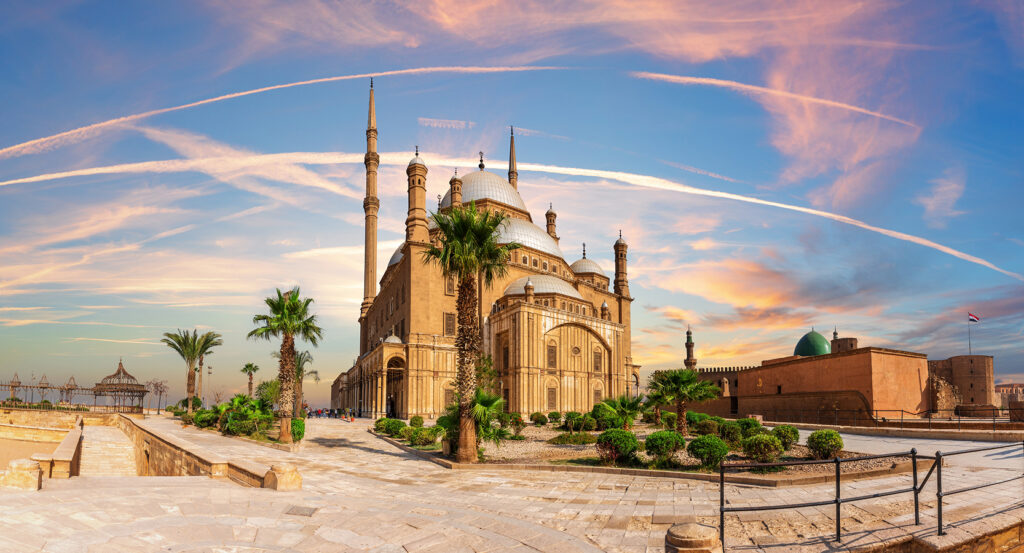
Why you should experience Tomb of Muhammad Ali at Mosque of Muhammad Ali in Cairo, Egypt.
Tomb of Muhammad Ali at Mosque of Muhammad Ali is Cairo's quiet heartbeat, a place where empire, faith, and mortality meet in a single breath of marble and gold.
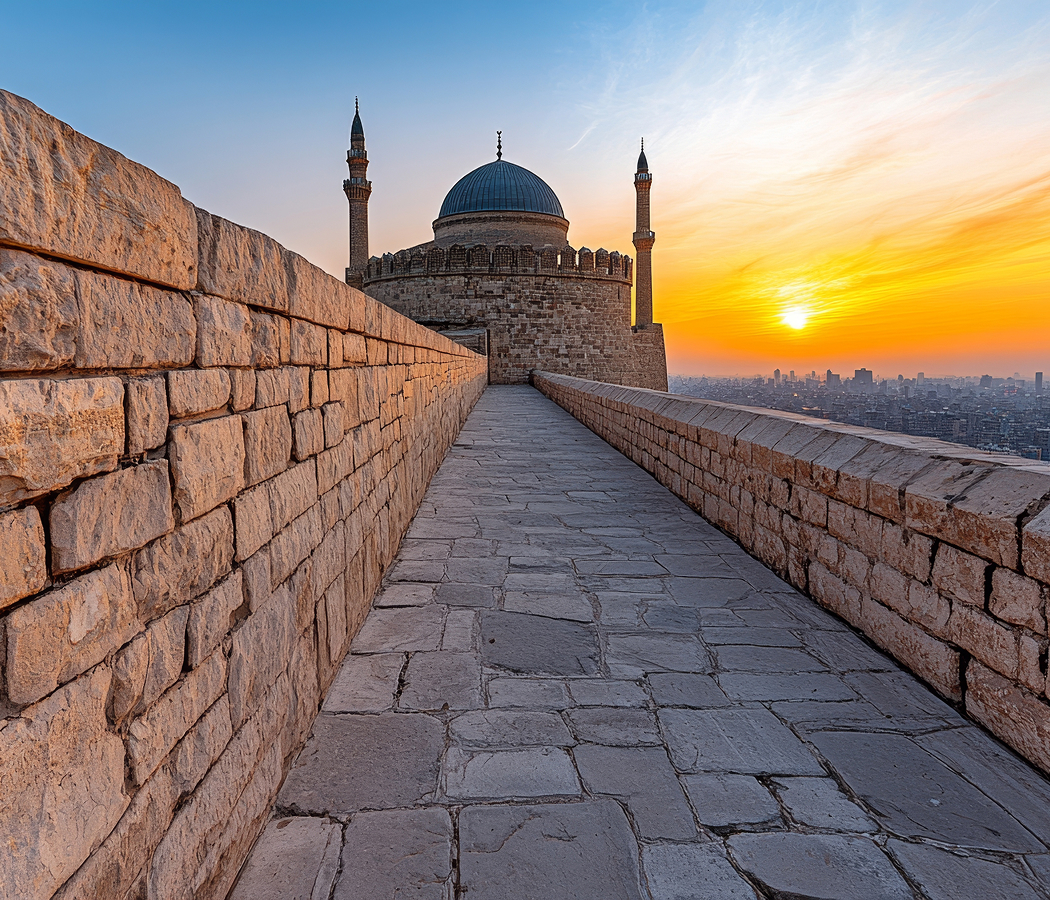
Tucked within the Mosque of Muhammad Ali at the Saladin Citadel, this chamber radiates a hushed majesty unlike any other corner of the complex. Light filters softly through lattice windows, catching the white marble sarcophagus that gleams like frozen light at its center. Above it, the alabaster dome curves heavenward, the same dome that once echoed with the ambitions of a man who reshaped Egypt's destiny. Here, those ambitions lie at rest, surrounded by arabesques, calligraphy, and silence. It is not a tomb of sorrow but of fulfillment, the resting place of the visionary who gave Egypt its modern form and crowned Cairo's skyline with eternity.
What you should know about Tomb of Muhammad Ali at Mosque of Muhammad Ali.
Tomb of Muhammad Ali lies in the northwestern corner of Mosque of Muhammad Ali, just beneath one of the minor domes, intentionally positioned apart from the main prayer space as both architectural punctuation and spiritual metaphor.
Constructed from polished Carrara marble, imported from Italy, the tomb reflects Muhammad Ali's fusion of Ottoman design and European refinement. The sarcophagus, veined in ivory and rose tones, is enclosed within a gilded bronze grille, an intricate lattice of arabesque patterns inspired by the ironwork of Istanbul's Topkapi Palace, symbolizing both protection and divine separation. Muhammad Ali himself ordered the tomb's creation during his lifetime, though he would not be interred here until 1849, following his death in Alexandria and ceremonial transfer to Cairo. The chamber's walls bear Quranic inscriptions from Surah Al-Fajr and Surah Al-Mulk, verses that speak of life, power, and return to the Creator. Restoration archives reveal that during the 20th century, conservationists discovered remnants of an earlier decorative layer beneath the gilded carvings, evidence that the chamber was refurbished multiple times by successive rulers who viewed it as both a shrine and a symbol of state continuity. The space was designed acoustically as well as visually; when prayers are recited near the tomb, their echoes travel softly beneath the dome, amplifying the sense of divine enclosure. Unlike other Ottoman royal tombs, Muhammad Ali's chamber is unusually open to visitors, reflecting his desire that the people of Egypt, not just dignitaries, could stand witness to his legacy. Nearby inscriptions include one particularly revealing line, translated from Ottoman Turkish: “The man who built for eternity rests beneath what he raised toward heaven.” Few spaces in Cairo express the blend between mortality and immortality.
How to fold Tomb of Muhammad Ali at Mosque of Muhammad Ali into your trip.
Visiting Tomb of Muhammad Ali is the resonant finale of your journey through the Mosque of Muhammad Ali, a moment of reflection after the grandeur of domes and minarets.
After removing your shoes and stepping into the mosque's prayer hall, follow the quiet corridor along the northwestern wall to the chamber's lattice enclosure. Early morning or late afternoon visits are ideal, when the sunlight strikes the alabaster walls at an angle, illuminating the tomb with a faint golden glow. Approach slowly; the transition from the vastness of the prayer space to the intimacy of the tomb is striking, a deliberate contrast between public majesty and private humility. Take a moment to trace the carvings along the bronze grille, where floral motifs blend into Quranic script, and look upward to see how the smaller dome above the chamber channels a column of light directly onto the sarcophagus. If you stand in silence, you'll notice the faint echo of your breath returning through the chamber's acoustics, a design detail meant to remind the living of their own impermanence. Guides may recount how visiting dignitaries, including Napoleon III and Queen Victoria's envoys, once paused here, paying respect to the man they regarded as the founder of modern Egypt. Spend 15-20 minutes here before exiting back into the mosque's main hall; the shift from stillness to light will feel almost transcendent. Before you leave, turn back once, the gilded grille glowing softly in the distance, and understand that this chamber, more than any monument, defines Muhammad Ali's legacy: not in conquest, but in continuity.
Where your story begins.
Foresyte Travel reveals places that feel extraordinary long before you arrive.
Experience premium editorial crafted for luxury travelers.