Why you should experience Muir Woods National Monument in Marin County, California.
Muir Woods National Monument is a tranquil old-growth forest where Mill Valley's ancient redwoods, scientific conservation, natural wonder, and the enduring legacy of America's preservation movement inspire one of the world's most profound woodland experiences.
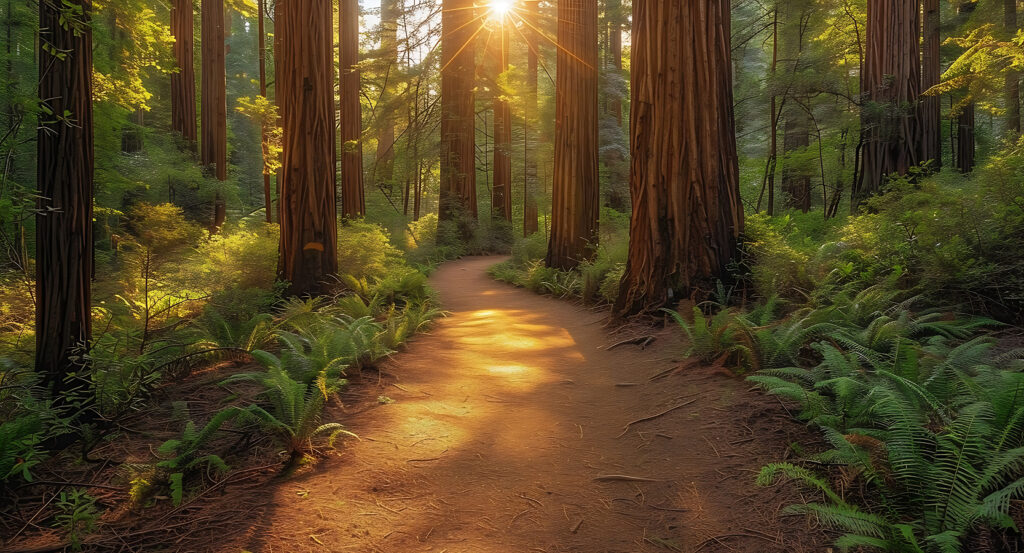
Set along Muir Woods Road near Shoreline Highway and just steps from Redwood Creek, this serene forest sanctuary unfolds beneath towering coast redwoods, elevated boardwalks, quiet footbridges, and fern-covered canyon walls where filtered sunlight, birdsong, and centuries of uninterrupted growth create an atmosphere unlike anywhere else in California. Cathedral-like groves, winding woodland trails, crystal-clear streams, and towering trunks rising hundreds of feet overhead immerse visitors within a living ecosystem that has survived since long before the modern city emerged. Silence, scale, and timeless natural beauty define every step through the forest.
What you should know about Muir Woods National Monument.
Muir Woods National Monument is best known for preserving one of the last remaining old-growth coast redwood forests in the San Francisco Bay Area after Congressman William Kent and Elizabeth Thacher Kent donated 295 acres to the federal government in 1908 to protect the canyon from commercial logging, prompting President Theodore Roosevelt to designate the site as a National Monument under the Antiquities Act while honoring pioneering naturalist John Muir, whose advocacy helped shape the modern conservation movement. Rather than accepting Roosevelt's suggestion that the monument bear Kent's own name, William Kent requested it commemorate John Muir's extraordinary contributions to American environmental stewardship, creating the first National Monument established through a private land donation. The monument safeguards ancient Sequoia sempervirens reaching heights exceeding 250 feet and ages approaching 1,000 years, while Redwood Creek sustains one of the few remaining free-flowing watersheds supporting endangered coho salmon, threatened steelhead trout, northern spotted owls, Pacific wrens, banana slugs, and diverse old-growth forest ecosystems. Muir Woods became part of the Golden Gate National Recreation Area in 1972 and was designated a UNESCO Biosphere Reserve in 1988, reflecting its international ecological significance. More than six miles of interconnected trails ascend through redwood groves toward Mount Tamalpais while elevated boardwalks minimize ecological disturbance and protect fragile root systems extending only a few feet beneath the forest floor. Continuing scientific research examines redwood resilience, climate change, watershed restoration, biodiversity, and forest ecology, reinforcing the monument's role as both an internationally important conservation landscape and one of America's most influential protected forests.
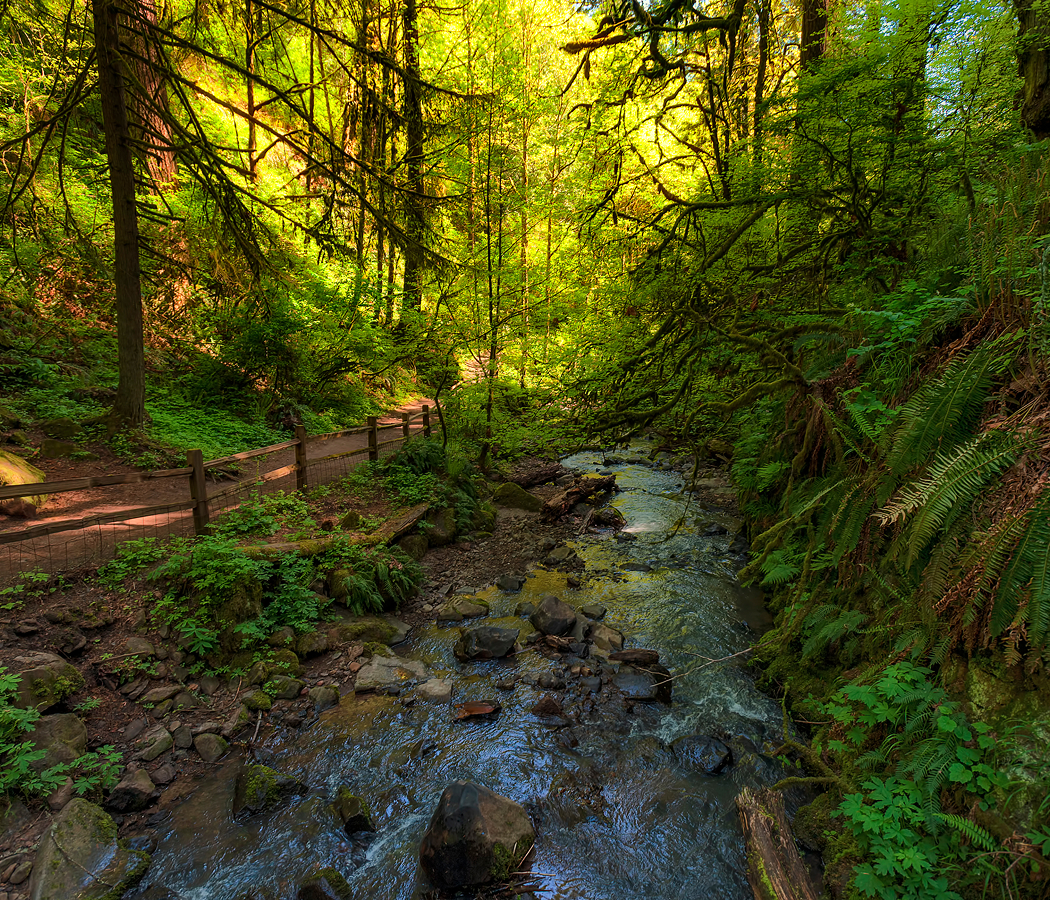
Towering redwood canopies, cool coastal air, fern-covered slopes, and the steady flow of Redwood Creek create an immersive environment where ecological processes continue much as they have for centuries. Carefully designed trails, educational exhibits, and ongoing habitat restoration reveal how scientific stewardship protects one of California's last surviving old-growth redwood ecosystems while allowing visitors to experience extraordinary biological diversity firsthand. Long-term conservation, watershed management, and ecological monitoring continue safeguarding this irreplaceable forest for future generations. Ancient trees, scientific preservation, and living wilderness combine to create one of North America's most inspiring natural sanctuaries.
How to fold Muir Woods National Monument into your trip.
Muir Woods National Monument works as the centerpiece of an exploration through southern Marin County's celebrated natural landscapes.
Begin at Muir Beach Overlook, where sweeping Pacific Ocean vistas establish the dramatic coastal environment before entering Muir Woods National Monument beneath towering redwoods. Continue to Redwood Creek, whose clear waters sustain one of the monument's defining ecosystems while revealing the forest's remarkable biodiversity. Conclude at Mount Tamalpais State Park, where panoramic ridgelines, extensive hiking trails, and expansive views across the Bay Area provide a memorable finale celebrating the extraordinary landscapes surrounding the monument. The progression moves naturally from rugged Pacific coastline to ancient woodland before concluding atop one of Marin County's most celebrated peaks, revealing why this corner of Northern California remains among America's greatest natural destinations.
Where your story begins.
Foresyte Travel reveals places that feel extraordinary long before you arrive.
Experience premium editorial crafted for luxury travelers.