Why Museo Maya de Cancún matters.
Museo Maya de Cancún is an archaeological museum where Zona Hotelera's Caribbean coastline meets the intellectual achievements of Maya civilization, the ancient settlements of Quintana Roo and a contemporary architectural complex built around a preserved pre-Hispanic city.
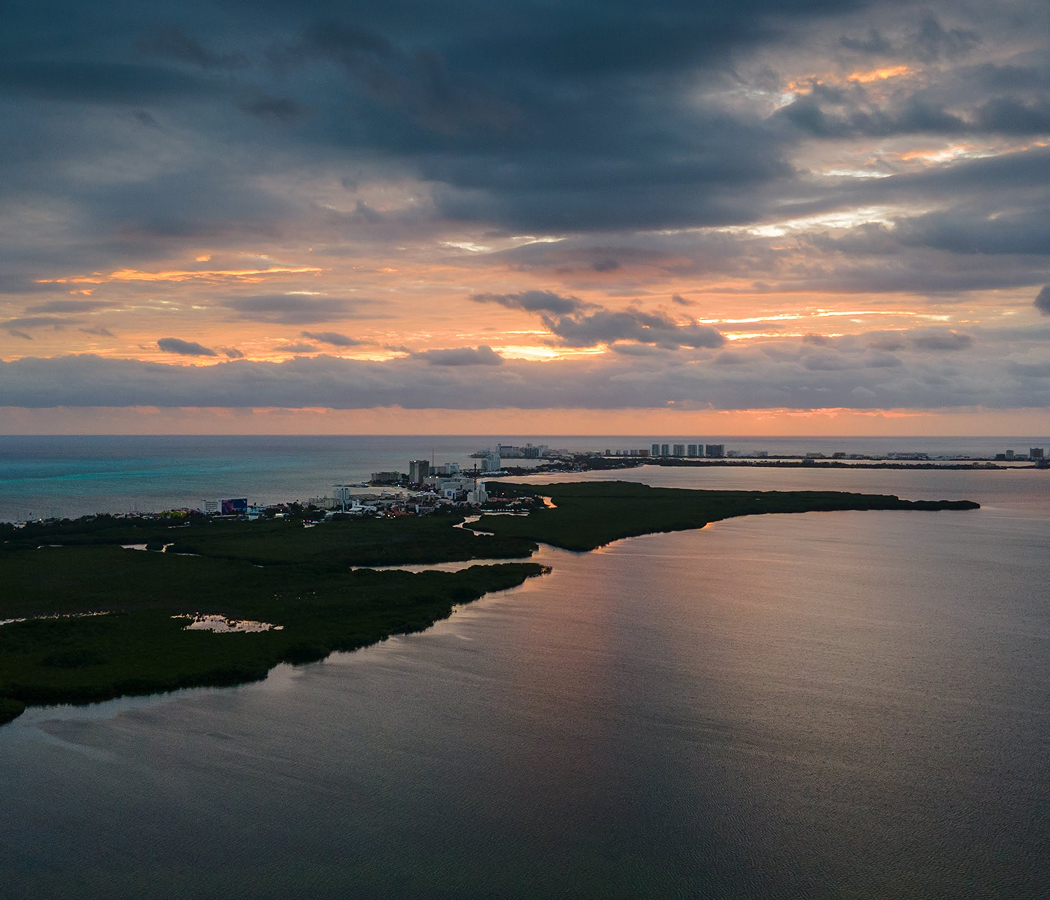
Set along Boulevard Kukulcán near the southern stretches of Playa Ballenas and just steps from Emporio Cancún, the museum occupies a forested property between the Caribbean shoreline and Laguna Nichupté, surrounded by the hotels and coastal vegetation of Cancún's principal resort corridor. Elevated concrete galleries, open-air circulation spaces and screened façades create a striking architectural composition above the surrounding tropical landscape. Archaeological sculptures, carved monuments, ceramics and funerary objects occupy exhibition spaces dedicated to the societies that developed across the Yucatán Peninsula and neighboring Maya territories. Covered walkways connect the galleries with landscaped grounds, where surviving archaeological structures extend the museum's interpretation of ancient settlement into the surrounding forest. The result is a cultural institution defined by its substantial archaeological collections, carefully integrated modern architecture and direct connection to the Maya communities that occupied Cancún's coastline centuries before the resort city's development.
What defines Museo Maya de Cancún.
Museo Maya de Cancún is best known for preserving one of Mexico's significant collections of Maya archaeological material within a purpose-built institution operated by the Instituto Nacional de Antropología e Historia. Its institutional origins date to 1982, when Cancún's first archaeological museum opened near the city's convention center to present the pre-Hispanic history of northern Quintana Roo. That initial facility introduced archaeological interpretation into a destination undergoing rapid expansion following the federal government's development of Cancún as an international tourism center. Hurricane Gilbert severely damaged the original building in September 1988, interrupting its operations and exposing the vulnerability of cultural infrastructure along the Caribbean coast. The museum reopened in July 1994, restoring public access to collections associated with the peninsula's ancient civilizations. Subsequent hurricanes damaged the premises, leading to their permanent closure in 2004 and creating the need for a substantially redesigned institution. Construction of a replacement began in 2010 on a larger property incorporating archaeological remains and tropical vegetation. Mexican architect Alberto García Lascurain developed the new building around elevated exhibition spaces, linear concrete elements and circulation routes adapted to the coastal environment. The project established a close physical relationship between the archaeological collections and the surrounding landscape, incorporating views toward Laguna Nichupté and the forested archaeological grounds. The completed complex opened on November 2, 2012, encompassing more than eight hectares of museum facilities, landscaped areas and protected archaeological terrain. Its inauguration represented a major expansion of Mexico's federal archaeological museum infrastructure following the development of the National Museum of Anthropology in Mexico City and the Museo del Templo Mayor. The institution's collections include material excavated throughout Quintana Roo alongside objects originating from important Maya centers in Yucatán, Campeche, Chiapas and Tabasco. Palenque, Chichén Itzá and Comalcalco contribute to the geographical scope of the museum's interpretation, connecting the Caribbean coast with the broader political and ceremonial history of Maya civilization. The institution's development also strengthened the preservation of archaeological heritage within Cancún's rapidly urbanized coastal corridor. Its significance rests on the recovery of a museum repeatedly disrupted by hurricanes and the creation of a permanent cultural institution connecting regional archaeological scholarship with the surviving remains of an ancient coastal settlement.
The Sala Quintana Roo develops the archaeological history of the state through a chronological sequence extending from early human occupation to the transformations following Spanish colonization. Its introductory material explores ancient human remains recovered from submerged cave systems, connecting the peninsula's prehistoric population with the distinctive geological environment of the Yucatán limestone platform. Subsequent displays examine the emergence of substantial Maya settlements in southern Quintana Roo, where ceremonial architecture, political institutions and regional exchange networks supported complex urban societies. The exhibition then follows the development of communities along the eastern coast, including settlements associated with maritime commerce and the movement of valuable materials through Caribbean trading routes. Ceramic vessels, carved stone objects and funerary material provide evidence of social organization, religious practices and changing relationships between coastal communities. The presentation extends into the colonial period and the nineteenth-century Caste War, placing ancient settlement history within the longer development of the region's Indigenous communities. A second permanent gallery, Sala Maya, broadens the geographical perspective through the principal institutions and achievements of Maya civilization. Its displays examine agricultural production, long-distance trade, dynastic authority and warfare, connecting material culture with the economic foundations of ancient cities. Maya writing receives particular attention through the relationship between hieroglyphic inscriptions, political history and the commemoration of rulers. Calendar systems and astronomical knowledge contribute another substantial dimension, demonstrating the sophistication of mathematical and observational practices developed across the Maya world. Religious ceremonies and the ritual ballgame establish connections between political power, sacred architecture and communal practices. The museum's third exhibition pavilion accommodates temporary presentations involving archaeology, ethnography and visual art, extending the institution's programming beyond its permanent collections. Jan Hendrix contributed a sculptural installation at the entrance, drawing on the forms of leaves, trees and tropical vegetation above a reflecting pool. The composition establishes a visual connection between the museum's architectural geometry and the surrounding forest. Raised exhibition spaces reach eight meters above ground level, with expansive glazing protected against hurricane conditions. A spiral ramp, a straight ramp and panoramic elevators provide access to the elevated galleries, creating distinct approaches through the architectural complex. Concrete screening walls and shaded pergolas moderate the relationship between exposed circulation areas and the region's tropical climate. The museum's architectural and curatorial organization connects archaeological objects, environmental history and contemporary Mexican design within a single institutional setting.
How Museo Maya de Cancún fits.
Museo Maya de Cancún works as the cultural starting point for a southern Zona Hotelera itinerary connecting an excavated Maya settlement, the surviving ceremonial architecture of Cancún's coastal communities and the Caribbean landscape that supported their maritime economy.
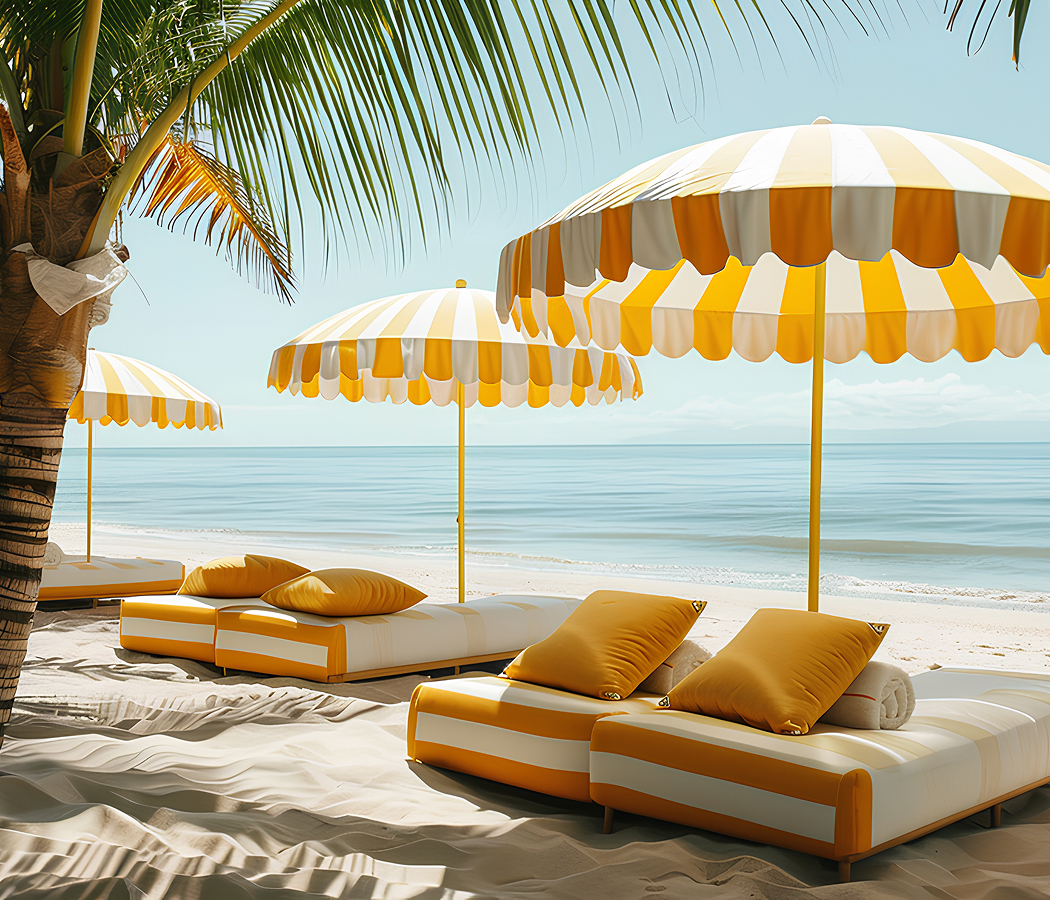
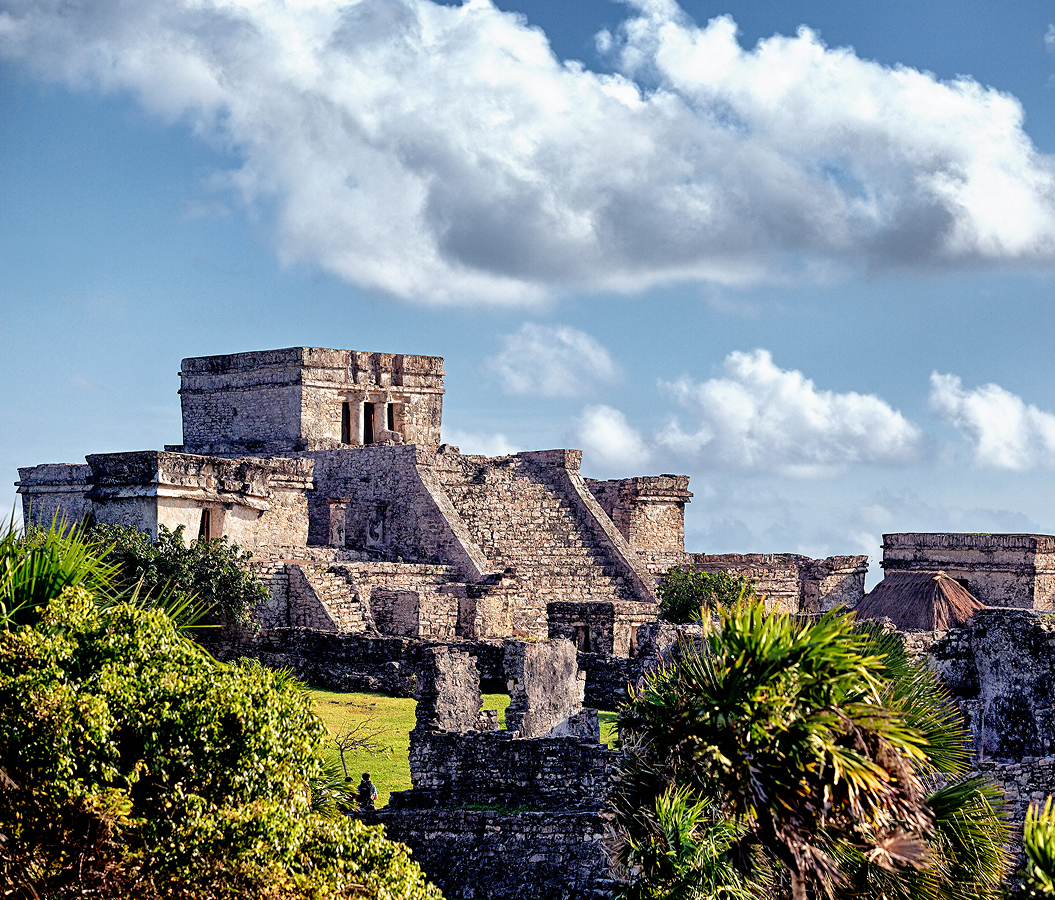
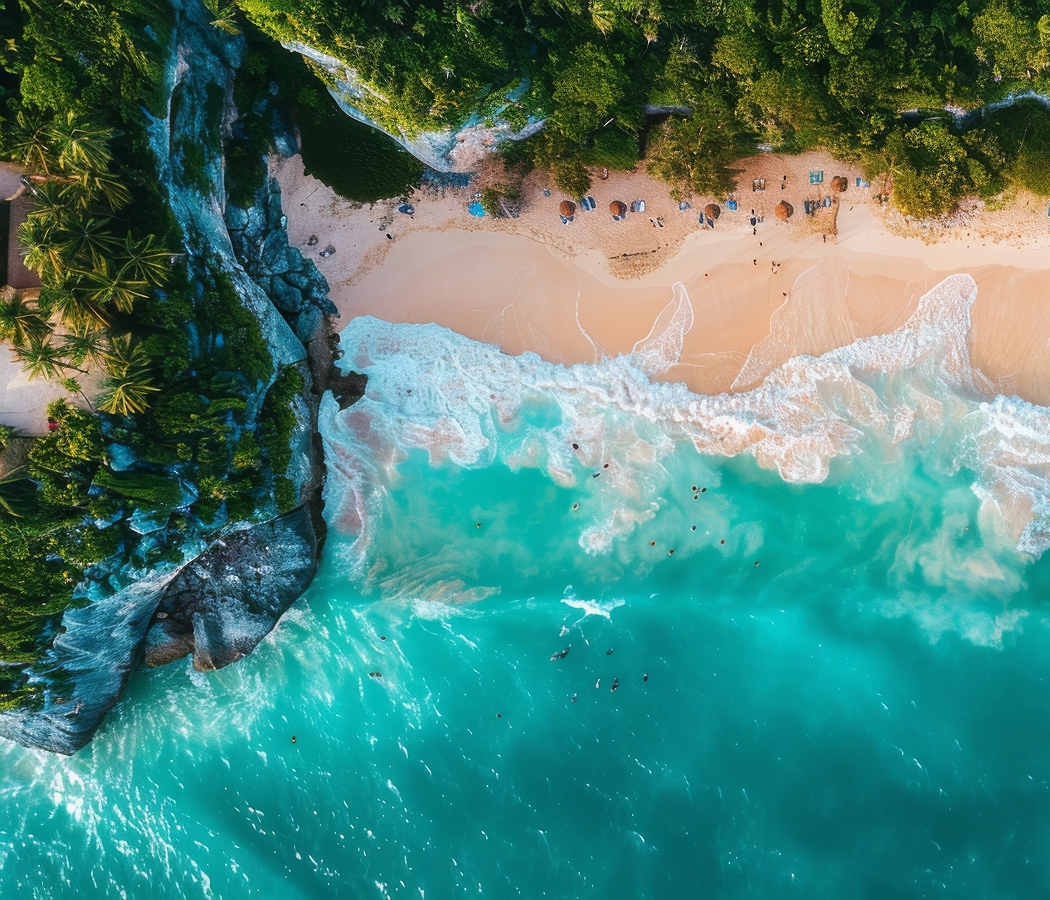
Begin at Zona Arqueológica de San Miguelito, the archaeological settlement incorporated into the museum's protected grounds. The site developed as part of the ancient Maya coastal region associated with the political territory of Ecab, with substantial occupation during the Late Postclassic period between the thirteenth and sixteenth centuries. Its inhabitants participated in economic activities involving fishing, agriculture and the production of salt, honey, copal and cotton. Excavated structures occupy several architectural groups connected by paths through the tropical forest. Palacio Chaak contains substantial interior spaces and a columned entrance associated with public functions, establishing an important surviving example of the settlement's civic architecture. Continue to Zona Arqueológica El Rey, the coastal Maya site farther south along Boulevard Kukulcán. The archaeological complex preserves a concentration of stone foundations, platforms and ceremonial structures associated with the communities that occupied Cancún's barrier island before Spanish colonization. Its surviving buildings occupy an open landscape where low masonry walls and raised architectural platforms reveal the organization of the former settlement. Archaeological investigations have uncovered evidence of residential activity, religious practices and regional commercial connections. The site's location near the Caribbean coast strengthens the relationship between the peninsula's ancient settlements and the maritime routes that connected communities across the eastern Yucatán. Conclude at Playa Delfines, the broad public beach overlooking the Caribbean near the southern reaches of the hotel corridor. Its elevated access area provides expansive views across pale sand, turquoise water and the exposed coastline of Cancún's barrier island. The beach's open landscape establishes a direct geographical perspective on the coastal environment surrounding the archaeological settlements. Its position also reveals the contrast between the Caribbean shoreline and the inland lagoon system, two environments that shaped settlement, fishing and transportation across the region. The progression moves from the excavated civic structures of San Miguelito through the ceremonial remains of El Rey and culminates in the coastal geography that supported the maritime communities of the ancient Maya world.
Where your story begins.
Foresyte Travel reveals places that feel extraordinary long before you arrive.
Enjoy editorial crafted for luxury travelers.
Foresyte may earn a commission when you book.