
Why Namdaemun Market matters.
Namdaemun Market in Seoul is where the pulse of the city beats loudest, a whirlwind of color, flavor, and energy that captures the essence of Korean street life in its purest form.
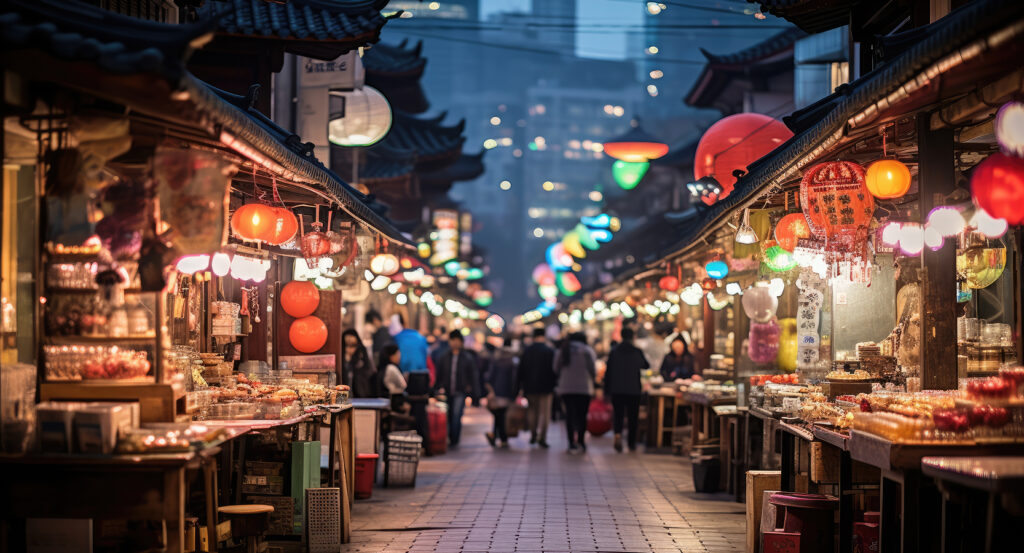
Established in the early 15th century during the reign of King Taejong, Namdaemun Market is Korea's oldest and largest traditional market, still alive with the same spirit that has animated its alleys for over 600 years. Stretching over several city blocks near Sungnyemun Gate (the Great South Gate), it's a physical feast: the sizzle of hotteok (sweet pancakes) on iron griddles, the chatter of vendors calling out deals, and the heady aromas of roasted chestnuts and spicy kimchi stew swirling through the air. From dawn until deep into the night, more than 10,000 shops and stalls spill into narrow lanes selling everything imaginable, silks, housewares, fabrics, jewelry, electronics, and snacks that define Korean comfort food. Locals come here not just to shop, but to connect; it's a living crossroads of tradition and trade where generations of merchants greet familiar faces and tourists discover the beating heart of Seoul's street culture. In a city defined by its skyscrapers, Namdaemun Market remains beautifully human, bustling, messy, authentic, and unforgettable.
What defines Namdaemun Market.
The story of Namdaemun Market is also the story of Seoul itself, among resilience, rebirth, and reinvention.
Located near the ancient city gate that gives it its name, Namdaemun began as a trading post for goods coming in from across the Korean Peninsula. Merchants would sell local produce, textiles, and pottery to travelers entering through the Great South Gate, turning the area into a vital commercial hub. Through centuries of occupation, modernization, and war, the market endured, rebuilt again and again after fires, floods, and the Korean War's devastation. What makes Namdaemun remarkable today is its balance between old and new: traditional stalls coexist with modern wholesale centers, and some families have been running the same businesses for three or more generations. There's a rhythm to the place that transcends language, the clatter of steel shutters rolling open at dawn, the singsong bartering between vendor and buyer, the laughter of cooks flipping pajeon (green onion pancakes) on street griddles. Few visitors realize that Namdaemun also serves as a major wholesale hub, supplying restaurants, boutiques, and department stores across Korea. Underground corridors connect entire blocks, forming a labyrinth where you can buy anything from handmade ceramics to designer handbags. And despite its commercial bustle, there's a deep sense of continuity here: a market that has seen empires rise and fall but never lost its soul. The merchants' pride, the scent of sesame oil and red pepper, the gleam of lacquered bowls, all tell a story of endurance written in daily life.
How Namdaemun Market fits.
To experience Namdaemun Market properly, come with an appetite and an open heart, it's a place best explored not by checklist, but by curiosity.
Arrive early in the morning to see vendors setting up, when the air hums with possibility and the streets are alive with delivery carts and chatter. Begin near Gate 6 or 7 of Hoehyeon Station, where you'll find the main entrances leading into the maze of stalls. Start with the food: try galchi jorim (braised hairtail fish), mandu (dumplings), or a bowl of steaming gukbap (rice soup) from one of the humble eateries tucked behind clothing stalls. Then wander through the textile section, where bolts of silk and cotton in every hue spill across tables like rivers of color. The accessory alleys glitter with watches, jewelry, and souvenirs, while the kitchenware section showcases Korea's meticulous craftsmanship in pots, chopsticks, and ceramics. For photographers, the market is a dream, thriving, chaotic, and deeply human. Visit again at night if you can, when the atmosphere shifts: neon lights flicker on, food carts sizzle with late-night snacks, and locals gather for spontaneous moments of connection over soju and street food. To balance the intensity, step outside for a few quiet minutes at the nearby Sungnyemun Gate, Seoul's oldest wooden structure, which guards the market like a patient sentinel. Namdaemun Market isn't just a place to shop, it's an experience of Seoul at its most authentic: unfiltered, flavorful, and alive with the rhythm of its people.
Where your story begins.
Foresyte Travel reveals places that feel extraordinary long before you arrive.
Enjoy editorial crafted for luxury travelers.
Foresyte may earn a commission when you book.

















































































































