Why you should experience Metasequoia Tree Lane in Chuncheon, South Korea.
Metasequoia Lane is Nami Island's living heartbeat, a corridor of timeless beauty where nature and memory walk side by side.
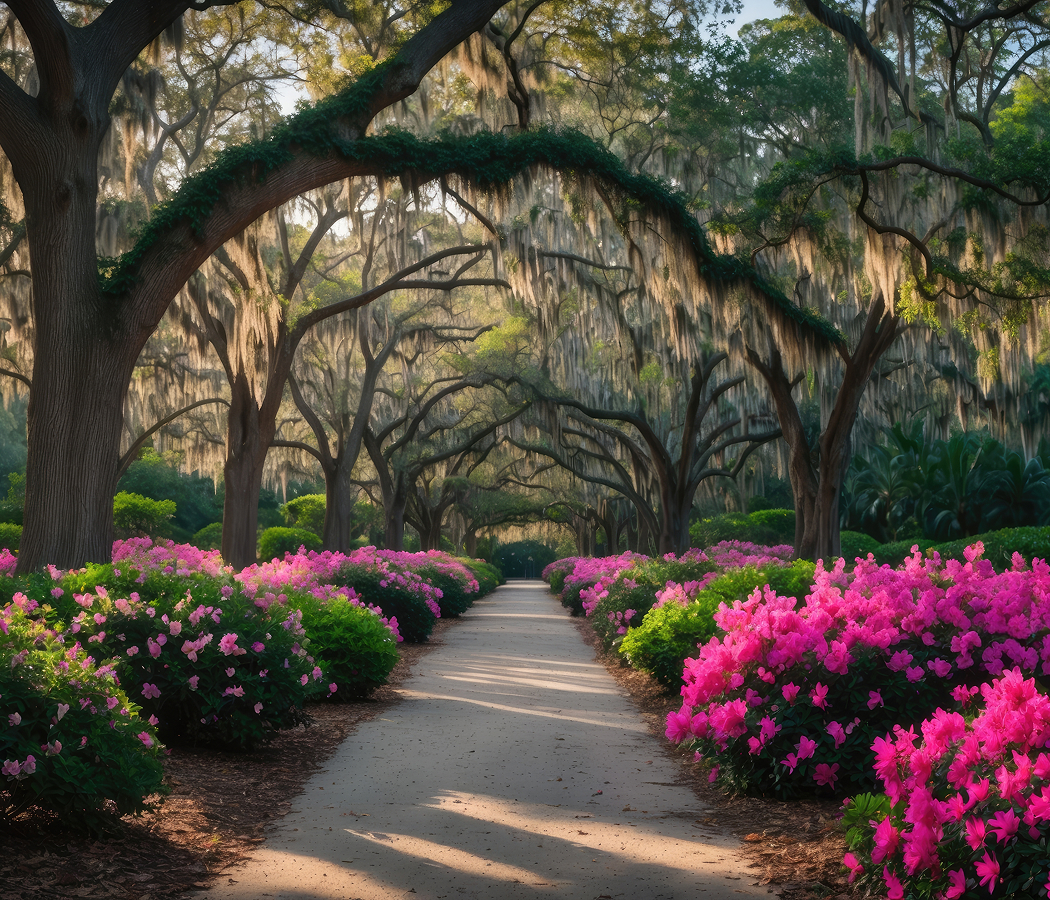
The moment you step onto the lane, the world seems to hush. Towering dawn redwoods rise in perfect symmetry on both sides, their trunks glowing amber in sunlight and rustling softly overhead like whispered conversation. In summer, the canopy forms a living cathedral, cool and green, dappled with shifting light. In autumn, the leaves blaze into gold and copper, turning the path into a fire-lit tunnel of color. In winter, snow gathers in the branches and drapes the ground in white silence, every breath visible in the cold air. The scent of pine and earth lingers as couples stroll, photographers pause, and children run beneath trees that feel impossibly tall. Metasequoia Lane isn't just a walkway, it's a passage through time, a place that makes even stillness feel alive.
What you didn't know about Metasequoia Tree Lane.
Metasequoia Lane was planted in the 1970s as part of Nami Island's transformation from barren floodplain to forested wonder, and the choice of tree was deliberate.
The Metasequoia glyptostroboides, or dawn redwood, was once thought to be extinct until its rediscovery in rural China in 1944, the same year Nami Island itself emerged when the Cheongpyeong Dam was built. The planting of these trees decades later was symbolic: resurrection meeting creation. Their tall, straight forms and feathery foliage made them ideal for framing light and shadow, and over fifty years they have grown into Nami's most iconic landscape. Each tree's spacing was measured by hand to preserve balance and perspective, creating the sense of infinite continuation when viewed from either end. The soil beneath them was enriched naturally using organic compost and lake sediment, a pioneering approach to ecological restoration at the time. Few visitors realize that Metasequoia Lane also marks the island's oldest power line corridor, now disguised beneath the roots of the forest, where renewable hydroelectric cables from the mainland feed Nami's carbon-neutral grid. The lane has since become not just a scenic walk but a living memorial, a symbol of rebirth and coexistence, where art, ecology, and human care merge in silence.
How to fold Metasequoia Tree Lane into your trip.
Metasequoia Lane is best experienced as the heart of your visit, the one path on Nami Island you don't just walk, but feel.
Arrive early in the morning when the light is soft and golden, or late in the afternoon when the setting sun filters through the redwoods like a living flame. Walk slowly, this is not a path to rush. Every few meters, stop and look back; the view behind you is always different, the geometry of the trees shifting with the light. If you visit in autumn, the air carries the faint sweetness of fallen leaves; in winter, the silence feels cathedral-deep. Bring a camera if you must, but leave it hanging more often than not, the experience lives better in memory than pixels. After your walk, stop by the nearby café for a cup of hot yujacha (citron tea) or a local pastry, and sit by the windows overlooking the trees you just passed through. If you stay until dusk, lanterns illuminate the lane, turning it into something otherworldly, an endless path of gold disappearing into the dark. Metasequoia Lane on Nami Island in South Korea isn't just a landmark, it's a love letter to time, showing how beauty deepens when nature and care are allowed to grow together.
Hear it from the Foresyte community.
Just enough life around you not to be overwhelming. Right pace.
Where your story begins.
Start your planning journey with Foresyte Travel.
Experience immersive stories crafted for luxury travelers.