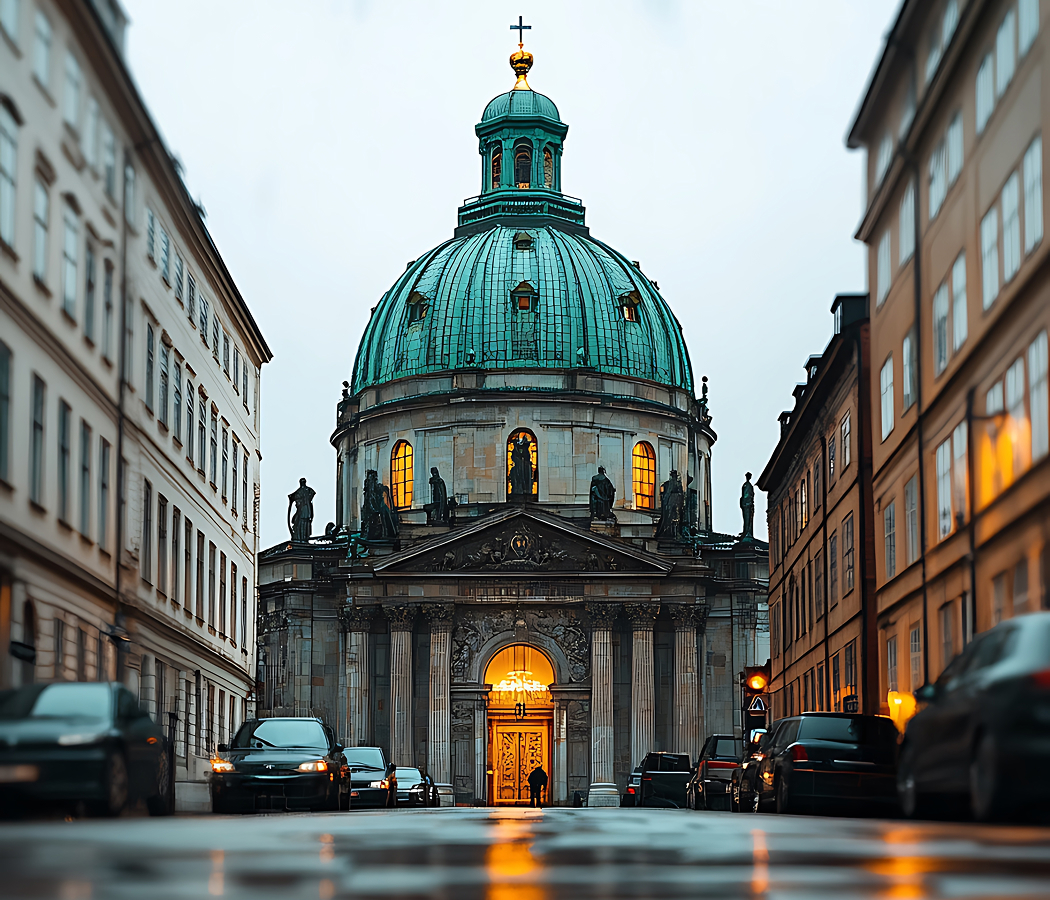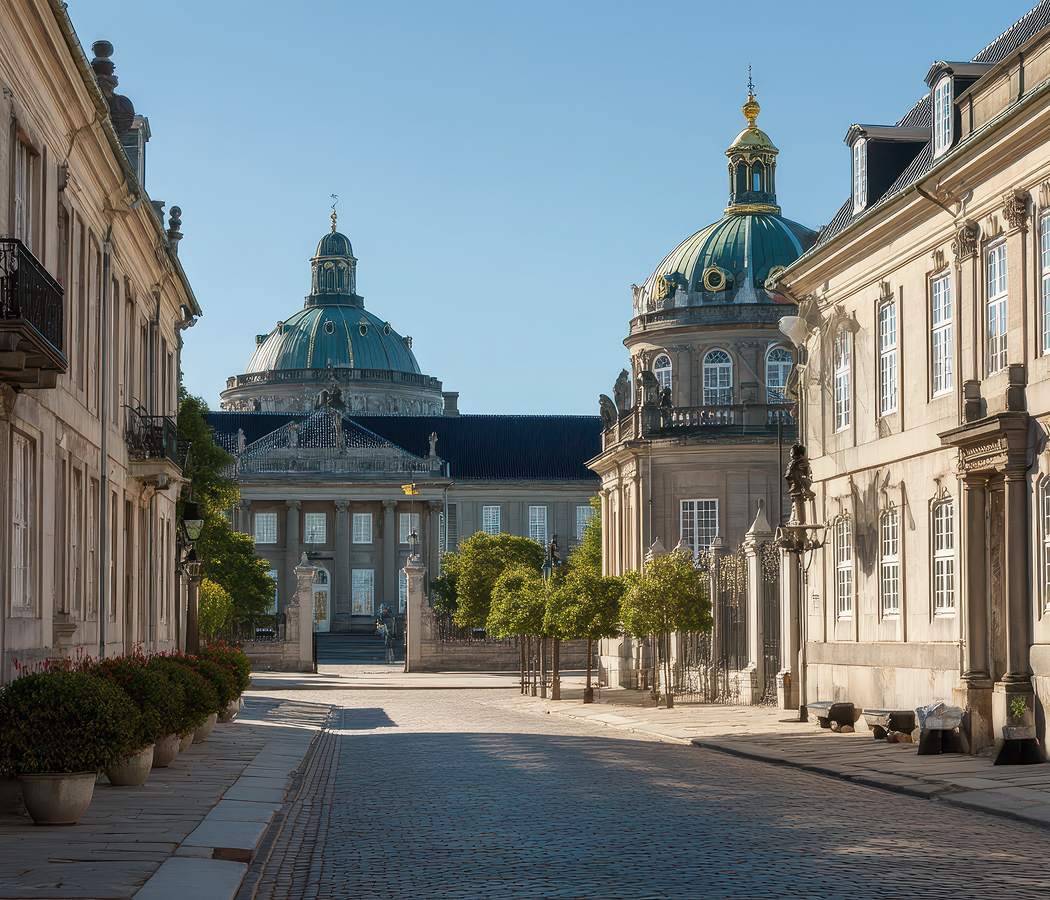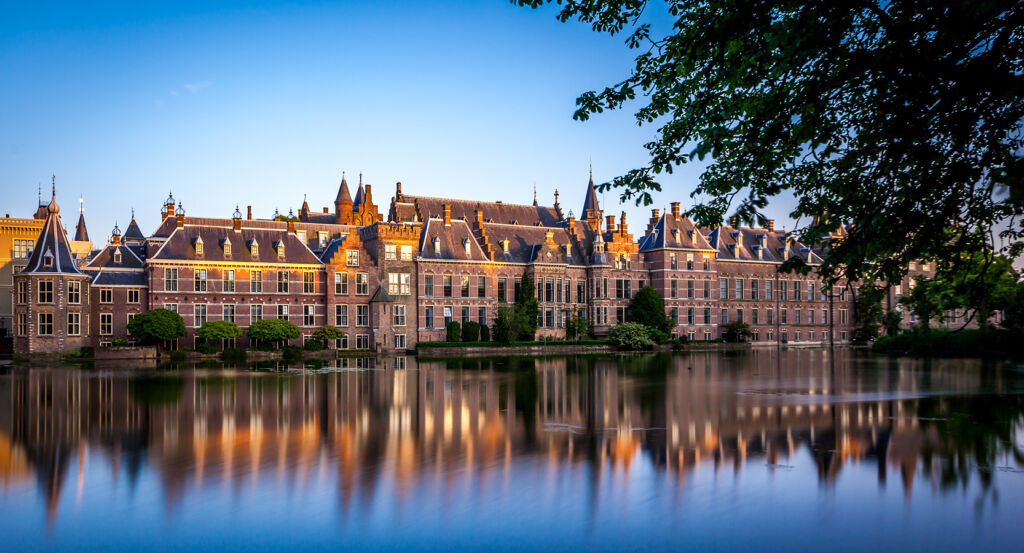
Why you should experience Paleis Hotel in The Hague, Netherlands.
Paleis Hotel is an intimate, quietly authoritative boutique hotel that places you inside The Hague's aristocratic memory while allowing you to experience it at a human, deeply personal scale, offering a stay defined by restraint, cultural confidence, and the rare feeling of being invited into the city.
Located on a discreet street just behind Noordeinde Palace, the hotel occupies a former 17th-century mansion once tied to courtly life. Arrival feels deliberate and understated. There is no grand procession, no overt performance, instead, you cross a threshold that immediately lowers the city's volume. The exterior signals heritage without announcing performance, and once inside, the atmosphere shifts toward quiet composure. Public spaces feel salon-like. Seating is arranged for conversation, reading, and pause, not circulation. Lighting is warm and layered, encouraging stillness. The tone is cultivated and calm, with a confidence that comes from knowing exactly where you are. Guest rooms continue this sense of private refinement. Layouts are generous but not imposing, shaped by the building's historic proportions. Each room feels individually composed, with subtle variations that reinforce the sense of inhabiting a real house. Beds are deeply comfortable and grounding, designed for restorative rest. Design choices lean toward classic elegance with contemporary restraint, refined fabrics, muted palettes, and furnishings that feel chosen. Windows open onto quiet streets, inner courtyards, or glimpses of the palace district, reinforcing the sensation of being embedded in The Hague's civic heart. Bathrooms are well-appointed and thoughtful, balancing modern comfort with the building's historic character. Across the property, the experience feels intimate, assured, and quietly elevated. Paleis Hotel is ideal for travelers who want The Hague to feel personal and cultured, a city experienced through proximity, nuance, and lived history.
What you should know about Paleis Hotel.
Paleis Hotel is best known for courtly intimacy, the tradition of hospitality rooted in private residences rather than public institutions, and this lineage subtly governs how the hotel feels and functions over time.
Unlike grand hotels that express authority through size or formality, Paleis Hotel communicates status through discretion. Its origins as a noble residence remain legible in the building's proportions, ceiling heights, and room sequences. Corridors feel domestic. Common areas feel like shared living rooms. This creates a psychological shift: guests naturally lower their voices, slow their movements, and engage more thoughtfully with their surroundings. Materials throughout reinforce this residential elegance. Wood, fabric, and stone are used in ways that absorb sound and light, creating an atmosphere that feels insulated. Acoustic conditions are notably gentle. The city's presence fades into distant context rather than intrusion, allowing rooms to function as true retreats rather than temporary shelters. Lighting strategy is central to this experience. Illumination is layered and localized, preserving shadow and depth. Daylight enters softly, while evening lighting remains warm and contained, encouraging rest and conversation. This continuity shapes how time is experienced: mornings unfold quietly, afternoons feel steady, and evenings settle. Service culture aligns seamlessly with this environment. Interactions are personal, attentive, and discreet, delivered with a level of familiarity that feels natural. Staff operate as hosts rather than operators, offering guidance and assistance without imposing presence. Because the hotel is small, recognition feels organic. Another understated strength of Paleis Hotel is how it reframes location. Being so close to Noordeinde Palace, embassies, and cultural institutions does not feel formal or stiff here. Instead, it feels lived-in. Over multiple nights, this proximity reshapes perception. The Hague begins to feel less like a seat of power and more like a neighborhood with depth, ritual, and daily life. The hotel does not narrate Dutch royal history overtly. It allows architecture, proportion, and atmosphere to do that work quietly.
How to fold Paleis Hotel into your trip.
Paleis Hotel works best when you allow it to function as a cultural threshold, a place that subtly reframes how you engage with The Hague.
Begin your mornings slowly. Let the hotel's calm interior establish your pace before stepping into the city. From this location, The Hague unfolds with clarity. Walk past Noordeinde Palace, wander toward the Mauritshuis, or explore quiet streets lined with embassies and galleries, allowing the city's civic character to reveal itself gradually. Return midday. The hotel absorbs pauses naturally, making short returns feel restorative. Sitting with a book, enjoying a quiet coffee, or simply retreating to your room becomes part of the experience. Afternoons are ideal for thoughtful exploration, museums, long lunches, neighborhood walks, knowing your base encourages reflection. Evenings feel especially aligned with Paleis Hotel's character. Dine nearby in intimate restaurants, attend performances, or walk the city as it quiets, then return to an environment that invites conversation, rest, or silence. For longer stays, this rhythm becomes transformative. The Hague shifts from a destination to a dialogue, a city experienced through repetition, familiarity, and nuance. Business travelers benefit from the hotel's discretion, privacy, and proximity to government districts. Leisure travelers gain something rarer: a sense of belonging. Anchoring your stay at Paleis Hotel allows The Hague to be experienced through its most cultivated qualities, restraint, intelligence, and continuity. The hotel does not compete with large luxury properties or contemporary design statements. It offers a different value entirely: intimacy with place. In doing so, it delivers a stay that feels personal rather than generic, historic rather than nostalgic, and quietly immersive rather than performative. A place where the city feels close enough to touch, yet gentle enough to absorb, leaving you not only informed by The Hague, but quietly attuned to it.
Where your story begins.
Foresyte Travel reveals places that feel extraordinary long before you arrive.
Experience premium editorial crafted for luxury travelers.