
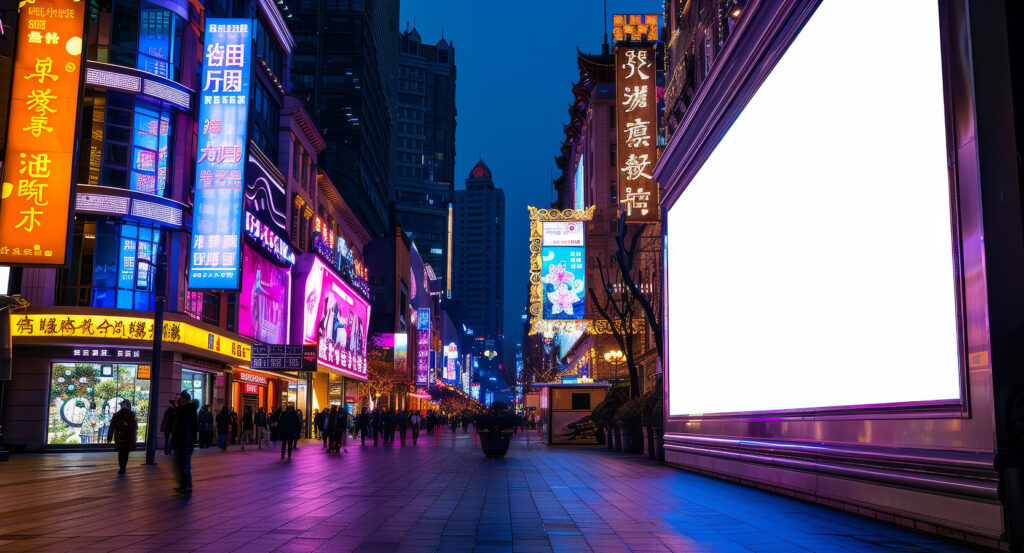
Why you should experience Park Hotel Shanghai in Shanghai, China.
Park Hotel Shanghai is an architectural and cultural emblem of the city's golden age, where art-deco grandeur, downtown centrality, and measured modern comfort converge to create a stay that feels historic, refined, and deeply interwoven with Shanghai's identity.
Located on East Nanjing Road, among Shanghai's oldest and most vital urban arteries, the hotel stands as a living monument to the city's interwar era, positioned within walking distance of the Bund, People's Square, and the crossroads of retail, culture, and civic life. This is not merely a place to sleep; it is a place to witness Shanghai's layered narrative through space, materiality, and legacy. From the exterior, the tower rises with dignified presence, a beacon of classic elegance that has dominated the skyline since its construction in the early 20th century. Inside, the atmosphere unfolds with intent: polished marble, warm woods, refined fittings, and lighting that respects proportion. Public spaces feel composed and atmospheric rather than theatrical, offering moments of pause amidst the city's relentless rhythm. Guest rooms extend this philosophy into intimate territory, with layouts that balance comfort, heritage, and functionality. Expect beds dressed in crisp linens, thoughtfully curated furnishings that reference the hotel's past without becoming retrospective, and large windows that frame Shanghai's downtown bustle with clarity rather than curation. Bathrooms are spacious and well-appointed, with finishes that nod to contemporary standards. Dining at Park Hotel Shanghai continues this tempered approach: restaurants and lounges are refined rather than ostentatious, offering food and drink experiences that complement rather than compete with the city beyond the walls. Service throughout the hotel is polished and attentive, delivered with an ease that reflects decades of hospitality mastery. The location completes the experience. Being on East Nanjing Road places you within immediate reach of metro connections, historic promenades, high-end shopping, and cultural institutions, allowing effortless movement across Shanghai's manifold districts. Park Hotel Shanghai is elegant, rooted, and quietly commanding, ideal for travelers who want to feel Shanghai's pulse.
What you should know about Park Hotel Shanghai.
Park Hotel Shanghai is not only a place to stay, it is one of Shanghai's most important architectural landmarks, representing the city's golden age of ambition, cosmopolitan identity, and design confidence.
Completed in the early 1930s, the hotel was designed by renowned Chinese architect László Hudec and stood for decades as one of Asia's tallest buildings, a symbol of Shanghai's emergence as a global metropolis. Its art-deco lines, vertical clarity, and refined proportions marked a departure from colonial mimicry and toward a distinctive architectural language that married international modernism with local ambition. The building's presence reshaped the skyline of Downtown Shanghai and served as a civic reference point long before the glittering towers of Pudong appeared on the horizon. During its early years, Park Hotel Shanghai functioned as both a social magnet and a cultural hub, hosting dignitaries, artists, businessmen, and travelers from around the world. Its rooms and salons became meeting places where ideas, commerce, and style circulated across continents, helping to define Shanghai's reputation as the “Paris of the East.” The hotel's storied past is visible not only in its façade but in subtle interior details that preserve the continuity of design intent: proportions, sightlines, and material decisions that read differently from contemporary hotels built. A lesser-known aspect of Park Hotel Shanghai's character is the way its original structural design anticipated the city's growth, creating floor plans and service pathways that accommodated high occupancy and operational efficiency long before such considerations became standard. Over the decades, renovations and updates have modernized the experience while respecting the building's architectural integrity, allowing guests to feel both the weight of history and the comfort of contemporary standards. Park Hotel Shanghai does not merely reference the past; it captures it, offering visitors a rare opportunity to inhabit a space that once stood at the pinnacle of Asia's urban ambition and continues to hold cultural resonance in a dramatically transformed city.
How to fold Park Hotel Shanghai into your trip.
Park Hotel Shanghai works as both a historical anchor and a logistical hub, allowing you to experience Shanghai's breadth with depth and ease.
Start the mornings with breakfast in the hotel's refined dining spaces before stepping outside onto East Nanjing Road, where the city's rhythm unfolds through boutiques, cafes, and transit lines that link directly to major destinations. Walk toward the Bund for early riverfront exploration, absorbing the architectural discussion between art-deco classics and contemporary towers. From there, use People's Square as a central node to access museums, theaters, and civic spaces that map the city's cultural layers. The hotel's location makes metro access effortless, allowing you to move toward Pudong's skyline precincts or the Former French Concession's tree-lined boulevards. Return mid-day for a break in the hotel's lounges or guest room sanctuaries, letting the historical atmosphere recalibrate your pace before heading back out. As evening arrives, enjoy dinner either nearby or within the hotel's dining venues, where local flavors and international standards meet. End the night with a stroll along East Nanjing Road or the Bund promenade, watching Shanghai's lights shift and reflect in the river before retreating to a room that feels both grounded in history and attuned to the present.
Where your story begins.
Foresyte Travel reveals places that feel extraordinary long before you arrive.
Experience premium editorial crafted for luxury travelers.

















































































































