Why you should experience Patagonia Plaza in San Carlos de Bariloche, Argentina.
Patagonia Plaza is where modern city comfort, warm Patagonian ambience, and the lively rhythm of Downtown Bariloche blend into a stay that feels convenient, welcoming, and effortlessly connected to everything that makes this mountain city unforgettable.
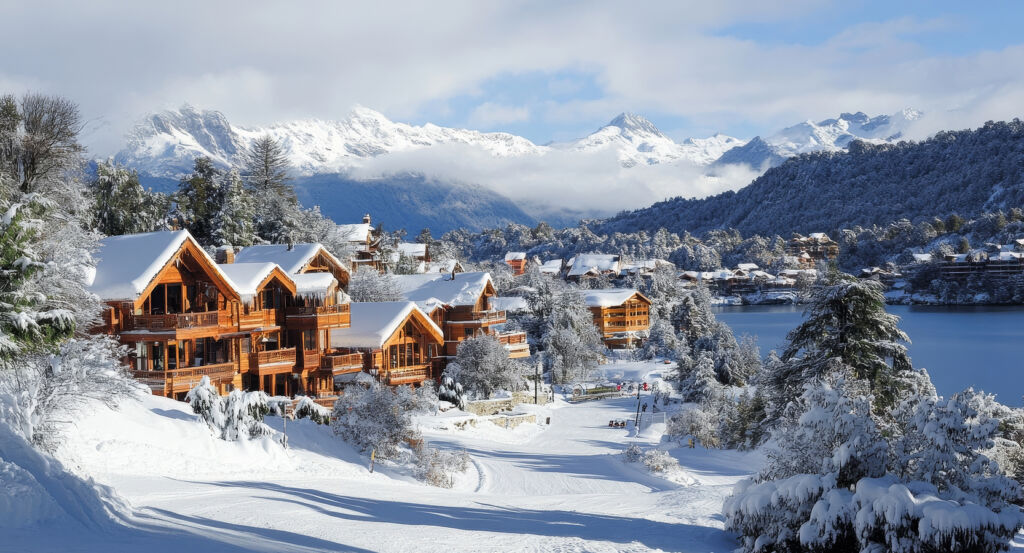
Set just steps from the Civic Center, Mitre Street's famous chocolate shops, artisan boutiques, cafés, museums, and the shimmering lakefront promenade, Patagonia Plaza places you in the beating heart of Bariloche while offering a calm, comfortable refuge inside. Its exterior reflects a clean, contemporary aesthetic with subtle alpine touches, polished stone, warm wood elements, and an inviting façade that blends naturally into the city's historic and commercial streets. Step inside, and the hotel opens into a bright, modern lobby shaped by soft lighting, comfortable seating, sleek wood accents, and a relaxed energy that makes you feel immediately grounded. There's an intentional simplicity to the design: a focus on warmth, practicality, and the kind of laid-back hospitality that defines Bariloche. Rooms at Patagonia Plaza continue this comfortable, modern feel. Expect cozy bedding, smooth wooden furnishings, warm textiles, functional layouts, gentle lighting, and windows that frame either urban views or soft glimpses of the surrounding hills. The rooms balance practicality with subtle style, ideal for travelers returning from long days of hiking, kayaking, skiing, or exploring the energetic downtown. Suites and family-sized accommodations offer extra space, while all rooms maintain a sense of ease and familiarity. Bathrooms are bright and clean, featuring modern fixtures, strong water pressure, good lighting, and amenities selected for everyday comfort. Breakfast at Patagonia Plaza is a daily highlight. Served in a friendly, inviting dining room, it includes fresh pastries, breads, jams, cheeses, cured meats, yogurts, cereals, fruit, vegetables, and eggs prepared your way, paired with strong Argentine coffee that fuels morning adventure. The atmosphere is lively and cheerful, filled with the soft hum of travelers mapping out their day's plans. Although the hotel does not operate a full-service restaurant for lunch or dinner, its central location gives guests immediate access to Bariloche's acclaimed culinary offerings, trout, lamb, smoked dishes, pastas, fondues, risottos, stews, and decadent chocolate desserts. The location is one of Patagonia Plaza's greatest advantages. Guests can walk to the Civic Center's iconic stone architecture, browse artisan markets, explore lakeside paths, visit chocolatiers, or reach scenic lookouts with ease. Outdoor adventure is just as accessible: the hotel serves as a perfect starting point for visiting Circuito Chico, Cerro Campanario, Cerro Otto, Lago Moreno, the Llao Llao peninsula, forest trails, and multiple panoramic viewpoints throughout Nahuel Huapi National Park. In winter, transportation to Cerro Catedral is straightforward, making Patagonia Plaza a convenient base for skiing and snowboarding.
What you did not know about Patagonia Plaza.
Patagonia Plaza stands on land shaped by Indigenous pathways, early European settlement, commercial development, and the century-long transformation of Bariloche into the tourism gateway of northern Patagonia.
Before the streets, plazas, and historic buildings of Downtown Bariloche took shape, the terrain beneath the hotel formed part of Mapuche travel routes connecting lakeshore gathering zones to forested valleys and mountain passes. This central district held significance as a corridor for fishing, plant gathering, seasonal movement, and ceremonies tied to the sacred waters of Nahuel Huapi. These routes would later influence the layout of Bariloche's earliest commercial grid. In the late 19th and early 20th centuries, immigrant communities, primarily Swiss, German, and Italian settlers, arrived and transformed the area into one of Bariloche's first structured neighborhoods. Wooden houses, bakeries, general stores, artisan workshops, and family-run inns began filling the blocks that would become the city center. The land where Patagonia Plaza now rises once held modest pioneer-era structures essential to daily life: small shops, supply points, and workspaces that supported both residents and early travelers moving across the Andean region. When Nahuel Huapi National Park was established in 1934, Bariloche entered a transformative period. Civic and cultural development accelerated as the city crafted its alpine-inspired architectural identity, stone façades, steep roofs, wooden balconies, visually aligning itself with European mountain towns while embracing Patagonian materials and spirit. The downtown district, including the ground beneath Patagonia Plaza, grew rapidly as shops, chocolatiers, outfitters, restaurants, and hotels began catering to a rising influx of travelers drawn to the mountains, lakes, and scenic routes. As tourism continued to expand through the mid-20th century, especially with the rise of Cerro Catedral as a skiing destination, the need for centrally located accommodations increased. The site transitioned through multiple phases of redevelopment, eventually becoming home to a modern hotel built to meet the evolving needs of contemporary travelers. Its architecture reflects the practical, urban-focused design trends of its era: clean lines, functional interiors, and subtle alpine influences. Today, beneath Patagonia Plaza's contemporary spaces lies a layered history of Indigenous mobility, immigrant craftsmanship, national-park-driven expansion, and decades of urban evolution. The hotel stands as a modern expression of the city's intertwined past, rooted in cultural convergence, natural beauty, and Bariloche's ongoing role as Patagonia's welcoming gateway.
How to fold Patagonia Plaza into your trip.
Patagonia Plaza becomes the central, easygoing, comfort-first anchor of your Patagonian adventure, where mornings begin with bright downtown activity, days unfold into panoramic lakeside and mountain exploration, and evenings settle into warm, relaxed calm.
Start the morning with a cheerful breakfast, fresh breads, pastries, cheeses, cured meats, fruit, yogurt, cereals, vegetables, and eggs your way, paired with strong Argentine coffee. Step outside and immerse yourself in the energy of Bariloche: stroll the Civic Center plazas, browse chocolatiers, visit artisan markets, explore museums, or wander along the lakefront promenade as Nahuel Huapi catches the morning light. Spend your afternoon diving into the natural world: ride the chairlift atop Cerro Campanario for world-famous views, hike the Llao Llao peninsula, paddle across Lago Moreno, cycle Circuito Chico, or take a boat excursion to forested islands and hidden coves. In winter, head to Cerro Catedral for skiing or snowboarding surrounded by dramatic Andean peaks. Return to Patagonia Plaza for a restful break before heading out to dinner, Bariloche's restaurants offer everything from trout and lamb to smoked dishes, risottos, pastas, fondues, and chocolate desserts. End your night with a soft-lit walk along the lake or relax in your room as the city settles into evening stillness. Wake refreshed and ready for another day shaped by nature, culture, flavor, and the effortless convenience of staying right at the center of it all. Patagonia Plaza becomes not just where you stay, but the warm, reliable, centrally rooted heart of your entire Bariloche experience.
Where your story begins.
Foresyte Travel reveals places that feel extraordinary long before you arrive.
Experience premium editorial crafted for luxury travelers.