Why Piazza Cavour matters.
Piazza Cavour is a dignified historic square where Brera's cultivated character meets the surviving threshold of medieval Milan, the gardens of the former bastion edge and a Risorgimento memorial conceived within months of Italian unification.
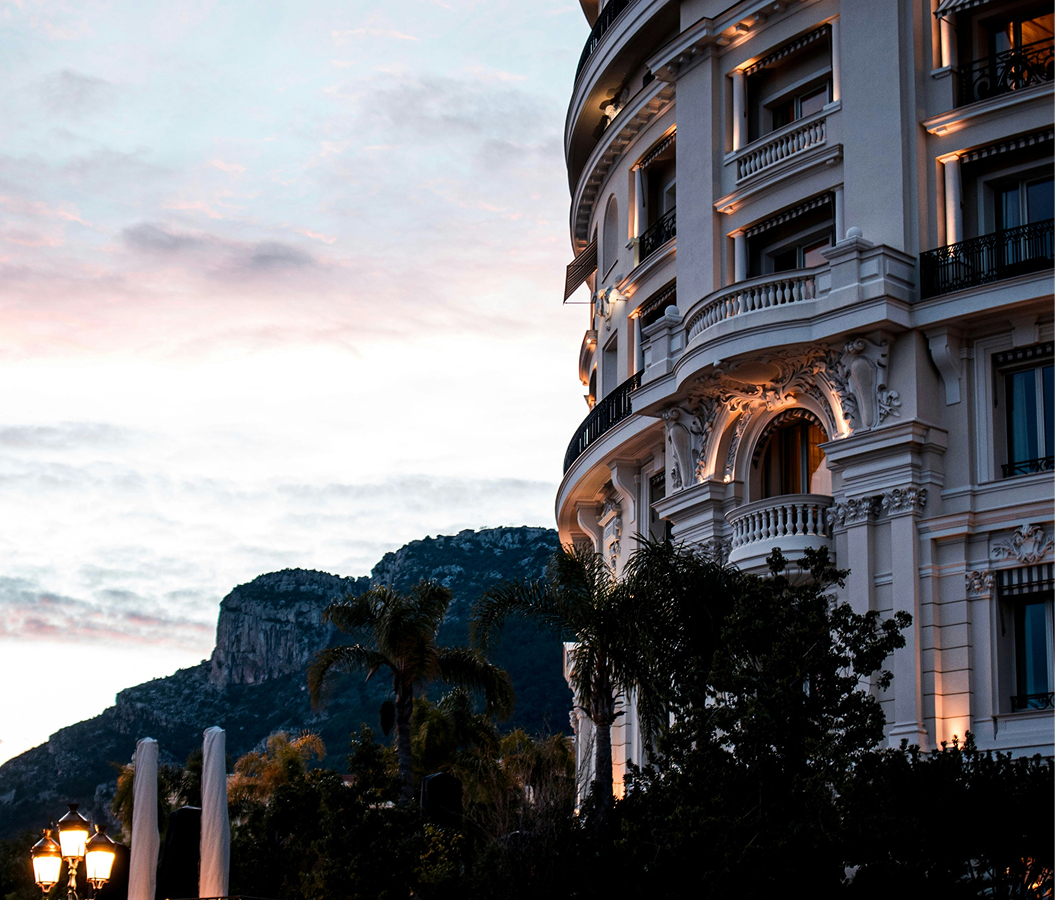
Set along Via Alessandro Manzoni near Via Fatebenefratelli and just steps from Via Palestro, the piazza occupies a broad planted opening where the twin arches of medieval Porta Nuova, nineteenth-century residential fronts, mature trees and the entrance to the Giardini Pubblici Indro Montanelli mark the transition between the compact streets of Brera and the greener avenues extending toward Porta Venezia. The medieval gate closes the southwestern sightline through twin stone passages and truncated towers embedded between later buildings. Via Alessandro Manzoni passes directly through those arches toward the historic center as Via Palestro extends east beside the gardens and Via Filippo Turati opens north toward the modern business district. Odoardo Tabacchi and Antonio Tantardini's bronze memorial rises from the planted center, giving the irregular junction a sculptural focus against the surrounding trees and stone facades. The result is a layered urban threshold where medieval fortification, nineteenth-century commemoration and the landscaped edge of Central Milan remain visible within a single enclosure.
What defines Piazza Cavour.
Piazza Cavour is best known for becoming one of Milan's earliest major commemorative spaces after Italian unification, centered on the monument to Camillo Benso di Cavour inaugurated four years after the statesman's death. Milan had initially approved a public monument in 1860 devoted to the annexation of Tuscany and Emilia, but Cavour's death on June 6, 1861 redirected the undertaking toward the first prime minister of the Kingdom of Italy. A municipal competition followed, and the jury awarded equal standing to Odoardo Tabacchi's standing portrait of Cavour and Antonio Tantardini's seated allegorical figure. The commission asked the two sculptors to combine their proposals, producing a single composition with Tabacchi responsible for the 3.6-meter statesman and Tantardini for the 2.1-meter female figure at the base. Tabacchi portrayed Cavour in ministerial dress holding the proclamation associated with the Kingdom of Italy, giving the political figure a direct connection with the recently completed process of national formation. Tantardini conceived his seated figure as History inscribing Cavour's name with a stylus, though later civic references also presented her as Italy. The Papi foundry in Florence cast the bronze figures, and public subscription helped finance a project whose expenditure reached 90,000 lire. Debate over the exact placement continued after the sculptures were finished, leading the commission to test a full-scale simulation against the piazza's irregular ground and surrounding vegetation. Installation was complete by May 1865, and the monument was inaugurated on June 5 during the Festa dello Statuto in the presence of Crown Prince Umberto, municipal authorities, military representatives, senators, deputies and veterans of the Cinque Giornate. Piazza Cavour acquired its enduring public focus through that commission, joining Milan's local memory of 1848 with the political formation of the new Italian state.
The southwestern edge preserves a far older chapter through the Archi di Porta Nuova, surviving elements of the fortified circuit rebuilt after Federico Barbarossa's destruction of Milan in 1162. Milan began constructing its renewed defenses in 1171, creating major gates as fortified structures flanked by towers along a circuit accompanied by the moat later absorbed into the Cerchia dei Navigli. Porta Nuova used two deep passages between square towers, with alternating gray serizzo and pale stone blocks defining the arches and incorporating pieces reused from Roman Milan. Azzone Visconti renewed the gate during the fourteenth century and commissioned sacred sculpture for the city entrances, placing a tabernacle toward the present piazza with the Virgin and Child beside Milanese saints. Giovanni di Balduccio participated in the wider Visconti sculptural campaign associated with these urban gates. Construction of the Spanish bastions during the sixteenth century ended Porta Nuova's military purpose, and houses gradually crowded its towers and sides. Proposals for demolition surfaced during the nineteenth century before preservation prevailed, with Agostino Nazari opening secondary pedestrian passages through the lateral structures during restoration in 1861. Roman funerary stones found nearby were inserted into the side facing Via Alessandro Manzoni during the same period, joining ancient fragments, medieval architecture and nineteenth-century conservation within the surviving gate. Piazza Cavour preserves two civic monuments separated by seven centuries, one born from Milan's recovery after Barbarossa and the other from the political settlement that followed Italian unification.
How Piazza Cavour fits.
Piazza Cavour works as the anchor for a daytime exploration through the adjoining Quadrilatero and Porta Venezia territory using three nearby sites that move from a late nineteenth-century family collecting project through an aristocratic Neoclassical residence into a twentieth-century domestic commission created by Milanese industrial patrons.
Begin at Museo Bagatti Valsecchi, where brothers Fausto and Giuseppe Bagatti Valsecchi transformed their family residence between Via Gesù and Via Santo Spirito during the closing decades of the nineteenth century. Both trained in law, the brothers devoted their resources to assembling fifteenth and sixteenth-century paintings, furniture, armor, ceramics, glass and decorative arts within rooms conceived after Lombard Renaissance residences. Gentile Bellini, Giovanni Bellini, Giampietrino and Bernardino Zenale entered a collection installed alongside contemporary comforts including electric lighting, running water and heating. Giuseppe married Carolina Borromeo in 1882, and their descendants continued living in the house until 1974, when his son Pasino established the foundation charged with preserving the collection and historic interiors as a unified ensemble. The museum opened to the public on November 22, 1994. Continue to Villa Reale, commissioned by Count Lodovico Barbiano di Belgiojoso and built between 1790 and 1796 by Austrian architect Leopoldo Pollack, a collaborator of Giuseppe Piermarini. Two lower wings embrace the entrance court, but the garden elevation carries the villa's richer architectural treatment through projecting sections, classical pediments and terracotta reliefs facing its landscaped grounds. The French government acquired the residence in 1804, and it became Villa Bonaparte before serving from 1805 as the Milanese residence of Eugène de Beauharnais, who commissioned an interior decorative campaign involving Andrea Appiani. The property passed to the Habsburgs after the Restoration, then to the Italian Crown after unification, before municipal acquisition in 1920 prepared its conversion into the home of the Galleria d'Arte Moderna in 1921. Conclude at Villa Necchi Campiglio, where sisters Nedda and Gigina Necchi and Gigina's husband Angelo Campiglio commissioned Piero Portaluppi during the early 1930s to create a private residence on Via Mozart. Portaluppi joined rigorous geometric volumes with costly finishes and purpose-designed interiors for a family whose fortune came from the Necchi industrial enterprise in Pavia. Tomaso Buzzi later altered several rooms during the postwar period, introducing another architectural hand into a house that retained the contrasting contributions of both designers. The family eventually entrusted the property to Fondo Ambiente Italiano, preserving its architecture, furnishings and art collections as an unusually complete expression of Milanese elite domestic culture between the wars. The progression moves from the Bagatti Valsecchi brothers' reconstruction of a Renaissance-inspired home through Pollack's Neoclassical residence for Belgiojoso into Portaluppi's interwar commission for the Necchi Campiglio family, tracing three successive approaches to private patronage across the territory east of Piazza Cavour.
Where your story begins.
Foresyte Travel reveals places that feel extraordinary long before you arrive.
Enjoy editorial crafted for luxury travelers.
Foresyte may earn a commission when you book.