Why you should experience Portland Japanese Garden in Portland, Oregon.
Portland Japanese Garden isn't just a garden, it's a world within a world, a masterpiece of tranquility suspended above the city.
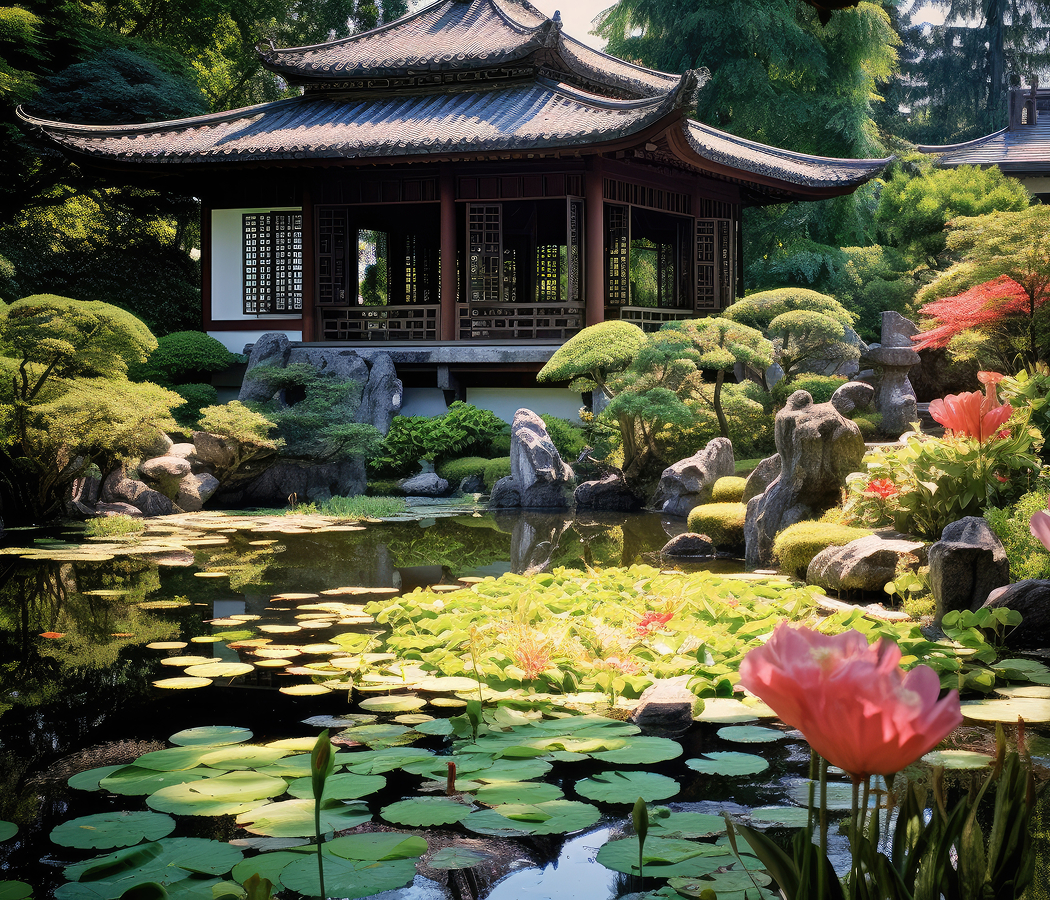
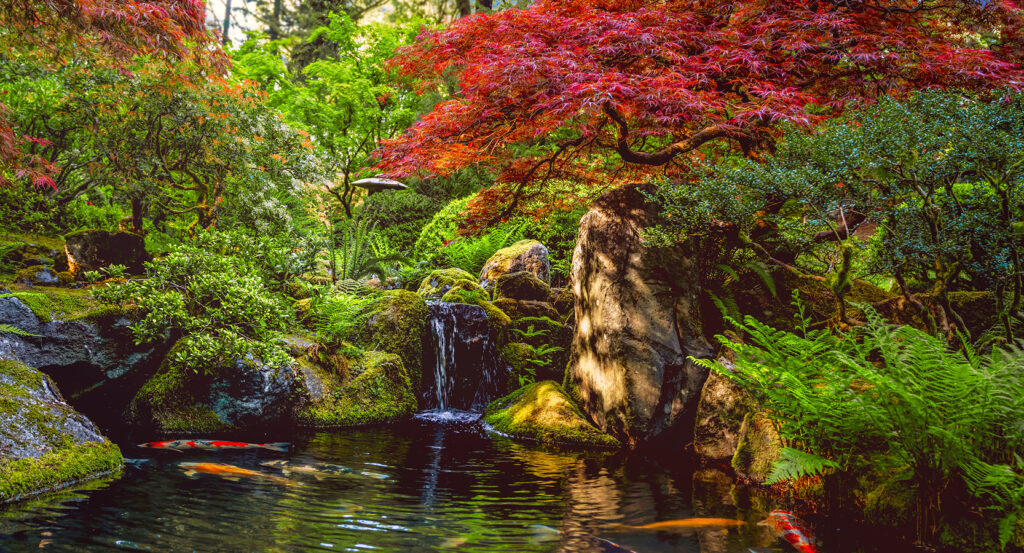
Perched in the West Hills overlooking downtown Portland, this twelve-acre sanctuary unfolds like a poem written in stone, water, and moss. Every step feels intentional, every view balanced. Designed in 1963 by Professor Takuma Tono, the garden was envisioned as a bridge between Japan and the United States, a living expression of peace and cultural understanding. Walking its paths, you feel that harmony take shape. Streams trickle beneath arched wooden bridges, koi glide through still ponds, and the scent of cedar and rain hangs in the air. From the raked gravel of the Zen Garden to the mirror-like reflections in the Strolling Pond Garden, each element speaks to the art of restraint, the beauty of what's left unsaid. The surrounding Douglas firs frame the scene like cathedral columns, reminding you that this is Oregon's take on Japan's timeless serenity. Stand at the overlook of the Flat Garden and you'll see Mount Hood rising in the distance, a perfect counterpoint of strength and softness. Here, nature and design merge into something deeply human: peace rendered visible.
What you didn't know about the Portland Japanese Garden.
Beneath its peaceful surface, the Portland Japanese Garden tells a profound story about collaboration, cultural diplomacy, and the power of place.
When it first opened, it was more than a public garden, it was a healing gesture in the postwar years, designed to foster understanding between two nations once divided by conflict. Its creation brought together artists, architects, and horticulturalists from both Japan and Oregon, resulting in what many call the most authentic Japanese garden outside Japan. The site incorporates five traditional garden styles: the Flat Garden, Strolling Pond Garden, Tea Garden, Natural Garden, and Sand and Stone Garden, each representing a different expression of harmony. The garden's teahouse, a gift from Japan, was constructed by master craftsmen using centuries-old joinery techniques, without nails or screws, embodying simplicity and strength. Seasonal changes transform the landscape entirely, cherry blossoms in spring, deep green maples in summer, blazing red foliage in autumn, and serene moss and mist in winter. Few visitors realize that beneath the surface runs an intricate irrigation system designed to mimic the flow of natural streams, ensuring the delicate balance of water and earth remains undisturbed. In 2017, the addition of the Cultural Village, designed by renowned architect Kengo Kuma, introduced new exhibition spaces and a tea café framed in glass and cedar, seamlessly merging modern architecture with ancient tradition. Every detail of the garden, from the placement of stones to the whisper of water, is designed to guide the mind toward stillness.
How to fold the Portland Japanese Garden into your trip.
Visiting the Portland Japanese Garden is an act of slowing down, a quiet return to the rhythm of nature.
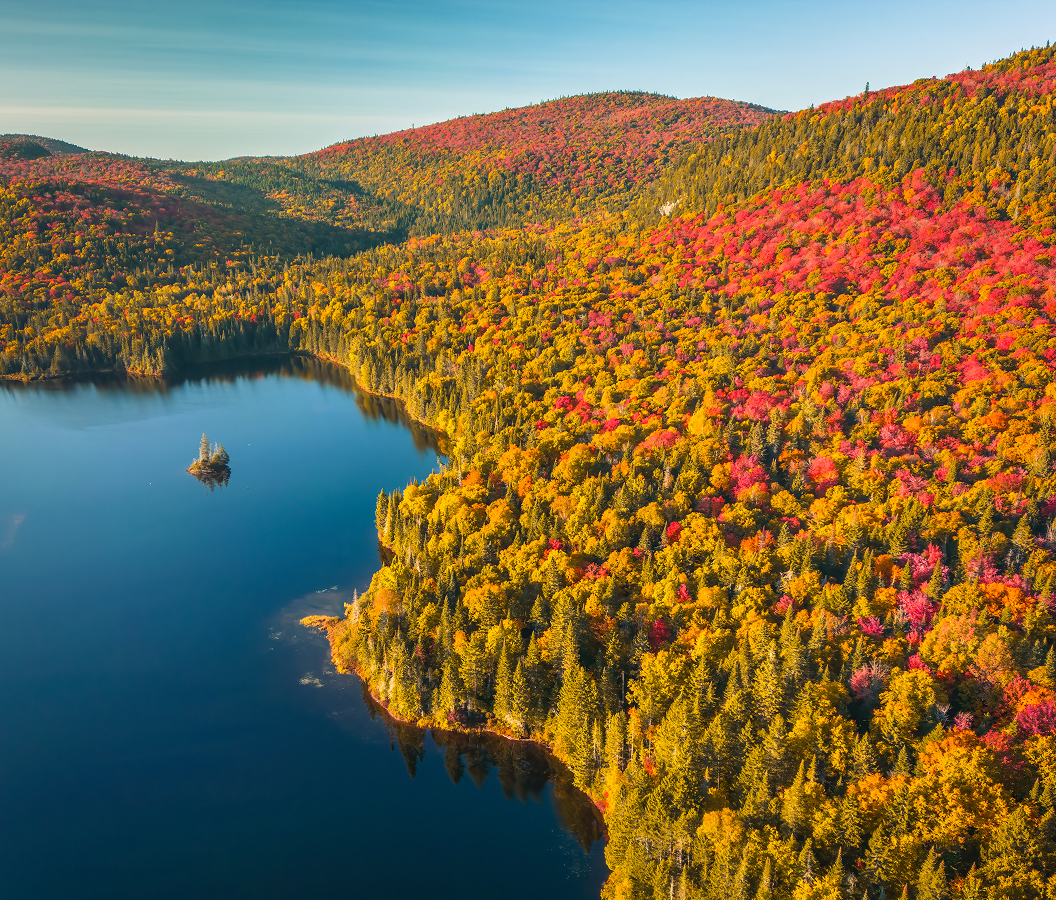
Plan your visit early in the day or near closing to experience the garden at its most tranquil. Begin at the Cultural Village, where exhibitions often explore Japanese art, design, and philosophy, then follow the gentle incline up through the lush hillside paths. Pause in the Sand and Stone Garden, the raked gravel symbolizing waves and movement, and let your thoughts settle with the patterns. Continue toward the Tea Garden, where every bend in the path represents a deliberate act of purification, guiding visitors to approach the teahouse in silence. The Strolling Pond Garden is a living painting, watch the koi ripple through the water and the reflections of maple leaves dance on the surface. For those seeking a deeper experience, book a tea ceremony or a guided mindfulness tour, where docents share insights into the garden's philosophy of wabi-sabi, beauty in imperfection and impermanence. In autumn, the fiery colors of the Japanese maples create a natural symphony against the cool gray stone, while winter brings a meditative hush as mist wraps around the moss and lanterns. Before leaving, stop at the café for matcha or green tea and take in the view of Mount Hood, a final moment of stillness to anchor the day. The Portland Japanese Garden isn't just one of the most beautiful places in the world, it's a sanctuary for the soul, reminding you that peace, like nature, grows where it's tended with care.
Where your story begins.
Start your planning journey with Foresyte Travel.
Experience immersive stories crafted for luxury travelers.