Why the Red Light District matters.
The Red Light District is one of Amsterdam's most historic and fascinating neighborhoods, where medieval streets, centuries-old canals, nightlife, commerce, and cultural heritage converge within the oldest part of the city.
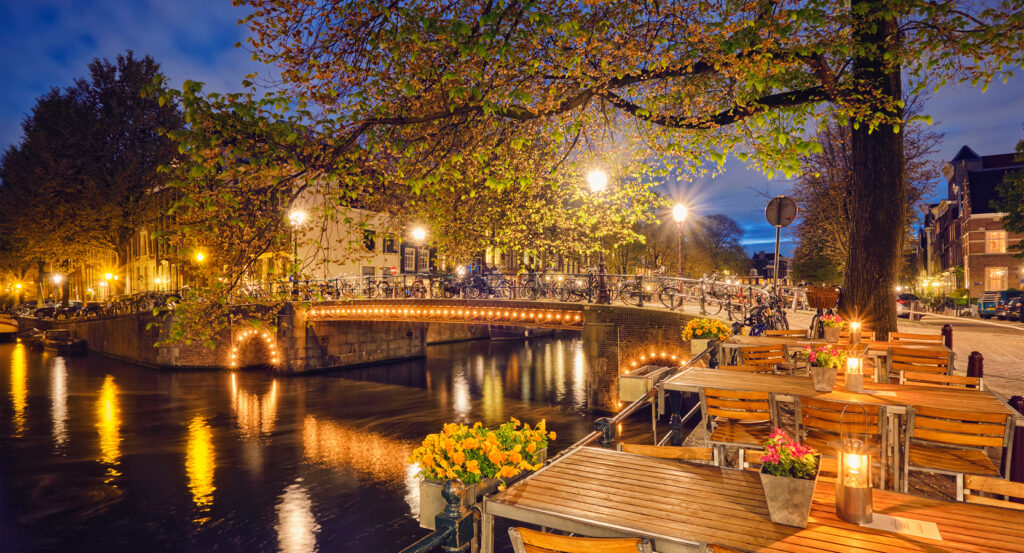
Centered around a maze of narrow alleyways and canal-side corridors, the district layers Gothic churches, hidden courtyards, waterfront cafés, independent museums, historic merchant buildings, and some of Amsterdam's most recognizable streets into an environment that has evolved continuously for more than seven centuries. Canal bridges frame views of leaning gabled facades, boats glide beneath centuries-old stonework, and residents, visitors, and business owners share streets that have served as gathering places since the city's earliest days. Along the edge of neighboring Nieuwmarkt, historic squares and former trading corridors reveal the commercial roots that helped shape Amsterdam's rise as a global center of commerce. Every corner feels steeped in history, creating a neighborhood where the city's medieval origins remain remarkably visible.
What defines Red Light District.
The Red Light District is best known for representing one of the world's most famous examples of regulated sex work, a system rooted in the Netherlands' long-standing approach to pragmatism, transparency, and public oversight.
While the district's international reputation is often tied to its illuminated windows, its significance extends far beyond nightlife. For centuries, this area functioned as a gateway for sailors, merchants, and travelers arriving in one of Europe's busiest trading ports, creating a concentration of lodging, entertainment, and commercial activity near the waterfront. Over time, Dutch policymakers pursued regulatory structures intended to improve safety, accountability, and working conditions rather than push activity into the shadows. Today, the neighborhood remains central to discussions about tourism, public policy, urban preservation, and Amsterdam's evolving identity. At the same time, medieval architecture, historic institutions, and cultural landmarks continue to draw visitors interested in the area's deeper history. Few neighborhoods in the world have become such a recognizable symbol of a city's social philosophy while preserving so much of its historic fabric.
How Red Light District fits.
The Red Light District is an ideal centerpiece for a day spent exploring Amsterdam's medieval origins, canal network, and historic city center.
Begin at Oude Kerk, where the quiet atmosphere allows the district's centuries-old architecture and street pattern to reveal themselves before the crowds arrive. From there, wander through the surrounding canals and historic lanes before making your way toward Nieuwmarkt, where cafés, markets, and public squares continue traditions that date back hundreds of years. Dam Square, the Royal Palace Amsterdam, and Chinatown all sit within easy reach, creating a natural progression through the civic, cultural, and commercial heart of the city. As evening approaches, the neighborhood takes on an entirely different character as illuminated bridges reflect across the canals and the area's famous nightlife begins to emerge. The Red Light District fits naturally into a day of discovery, serving as both a living piece of Amsterdam's medieval past and one of its most internationally recognized neighborhoods.
Where your story begins.
Foresyte Travel reveals places that feel extraordinary long before you arrive.
Enjoy editorial crafted for luxury travelers.
Foresyte may earn a commission when you book.