Why Restaurant Ekstedt matters.
Restaurant Ekstedt is a pioneering Swedish fine-dining restaurant where Östermalm's sophisticated dining culture meets Niklas Ekstedt's revival of preindustrial Scandinavian cooking, connecting open-fire gastronomy, Nordic agricultural traditions and MICHELIN-starred craftsmanship through one of Stockholm's most distinctive culinary institutions.
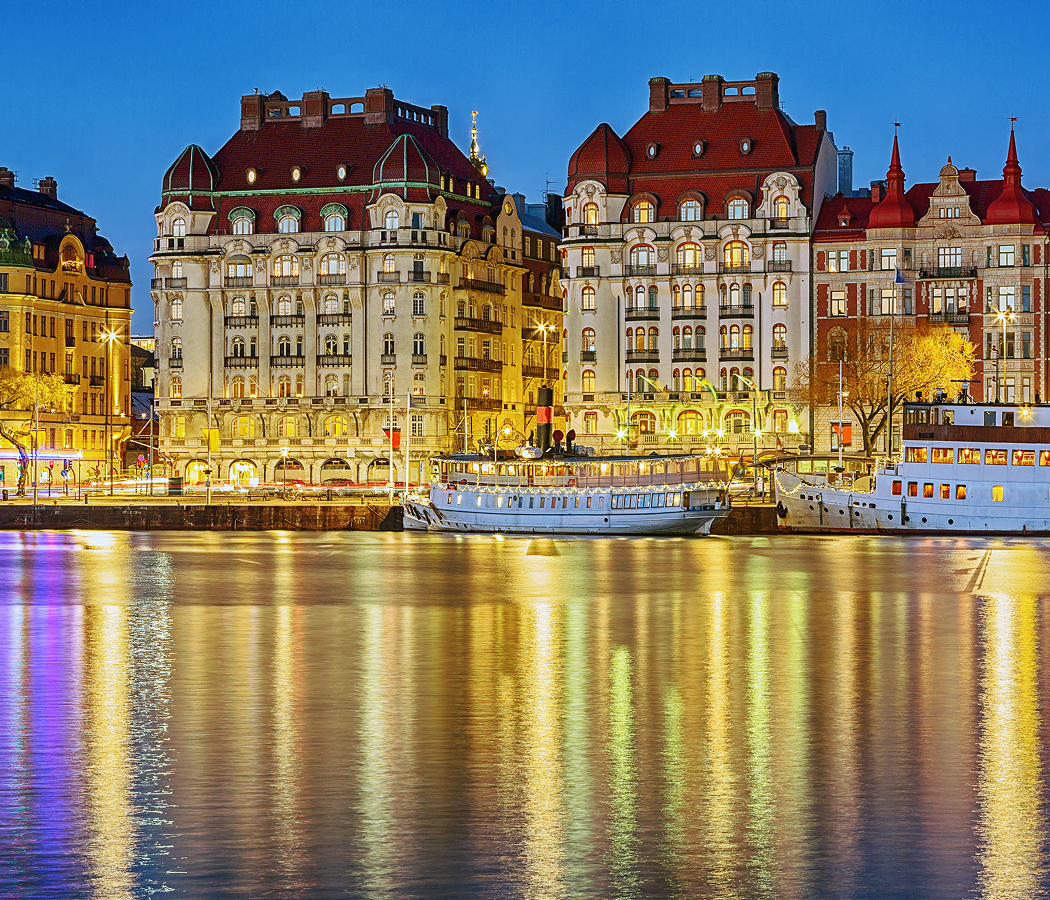
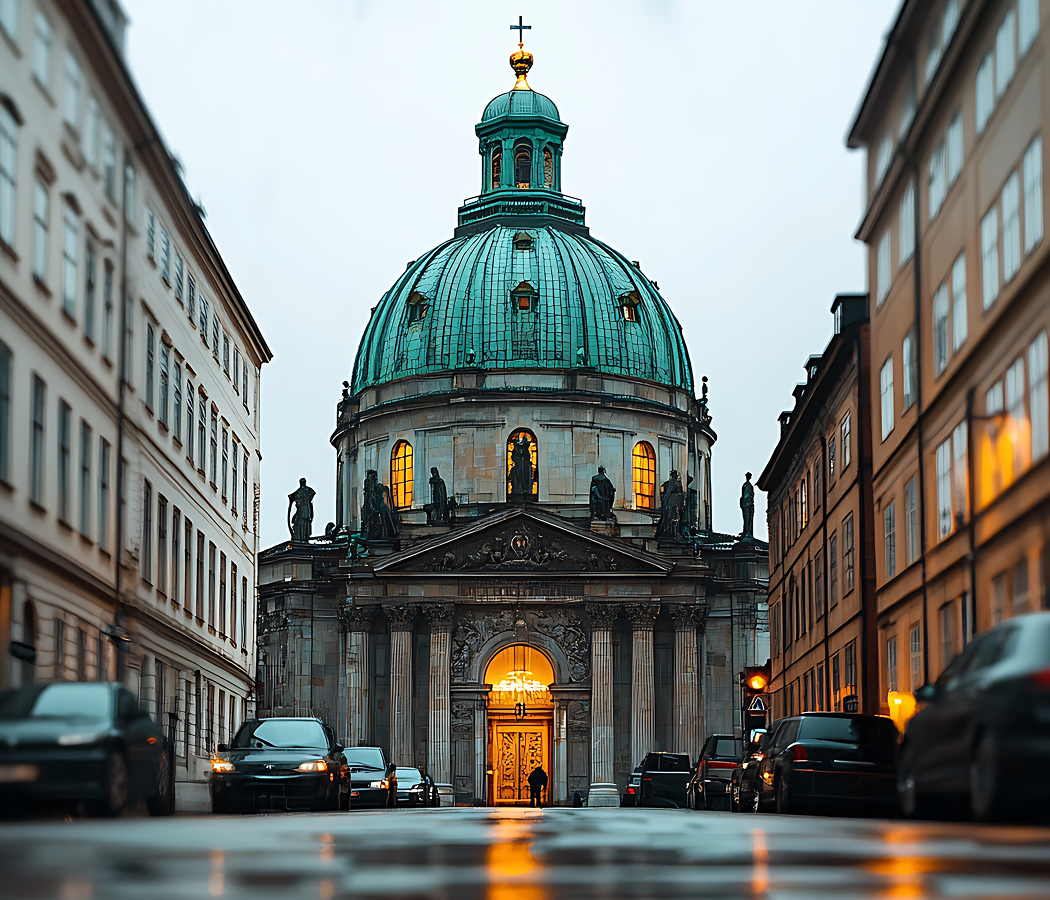
Humlegårdsgatan runs east from Stureplan toward Östermalmstorg, placing the restaurant near the intersection with Brahegatan, where nineteenth-century apartment buildings, independent restaurants and established commercial streets connect Stockholm's historic entertainment quarter with Östermalm's residential avenues. The street-level premises feature broad windows and a restrained exterior that integrates the restaurant into the surrounding urban streetscape. Inside, timber paneling, leather upholstery and subdued lighting establish a warm dining room organized around natural materials. A dedicated cooking area incorporates substantial iron equipment, exposed masonry and visible flames, creating an architectural focal point around the restaurant's distinctive culinary techniques. The result is an intimate Scandinavian restaurant whose natural materials, specialized cooking equipment and carefully composed interiors establish a physical connection between contemporary fine dining and historical Nordic craftsmanship.
What defines Restaurant Ekstedt.
Restaurant Ekstedt is best known for chef Niklas Ekstedt reconstructing Sweden's preindustrial cooking traditions into a MICHELIN-starred culinary institution, transforming the techniques of eighteenth-century Scandinavian kitchens into the foundation of contemporary fine dining. Born in 1978, Ekstedt grew up in Järpen in the northern Swedish province of Jämtland, where childhood excursions into the surrounding mountains introduced him to cooking over wood fires. His professional education subsequently developed through international restaurant kitchens, including work with American chef Charlie Trotter in Chicago and experience at the influential Spanish restaurant elBulli. Ekstedt opened his first restaurant, Niklas, in Helsingborg at the age of twenty-one, establishing an early reputation through technically ambitious cooking associated with the international molecular gastronomy movement. The restaurant received Dagens industri's recognition as Sweden's leading business restaurant in 2003, followed by a fifth-place national ranking from White Guide in 2005. His growing public profile extended into television through Niklas mat, the Swedish cooking program that introduced his culinary work to a national audience. Ekstedt subsequently moved his restaurant operations to Stockholm, where his professional interests began shifting toward the cooking traditions of his northern Swedish childhood. A summer spent at the family cottage on Ingarö in the Stockholm archipelago became decisive when he constructed a fire pit using birchwood gathered from the surrounding property. Cooking directly over the flames revealed possibilities for developing flavor through burning wood, heated iron and controlled exposure to smoke. The discovery prompted a sustained investigation into Swedish culinary practices from the period preceding the introduction of electrical cooking equipment. Ekstedt and his first head chef, Gustav Otterberg, visited the National Library of Sweden to study eighteenth-century cookbooks and historical instructions for preparing food over natural heat. Their investigation uncovered methods involving wood-fired ovens, cast-iron vessels and direct contact with embers, providing a technical foundation for an entirely new restaurant. Ekstedt opened on Humlegårdsgatan in November 2011, introducing a professional kitchen organized around a fire pit, wood-fired oven and wood stove. The concept challenged conventional assumptions about the equipment required for technically demanding restaurant cooking, placing the management of combustion and heat at the center of the kitchen's operation. MICHELIN awarded Ekstedt its first star in 2013, establishing international recognition for the restaurant's revival of historical cooking methods. Its reputation subsequently expanded through Ekstedt's television appearances, international culinary collaborations and publishing projects devoted to cooking with fire. His English-language cookbook Food from the Fire introduced the restaurant's techniques to a broader audience, connecting Swedish culinary traditions with contemporary interest in outdoor cooking. The international expansion of the concept followed in 2021 with Ekstedt at The Yard, established within Great Scotland Yard Hotel in London. The new restaurant adapted the original approach to British seasonal ingredients, demonstrating the broader possibilities of cooking through natural heat. Leadership of the Stockholm kitchen developed through Argentine chef Florencia Abella, whose upbringing near Buenos Aires introduced her to the traditions of asado and the technical demands of cooking over open flames. Abella brought those formative experiences into the Scandinavian culinary environment, extending the restaurant's exploration of fire through a professional background shaped by South American grilling. Her appointment as head chef connected two established traditions of live-fire cooking within the same MICHELIN-recognized institution. Restaurant Ekstedt's development represents a substantial contribution to contemporary Nordic gastronomy, demonstrating how historical techniques, international professional training and sustained experimentation established a new direction for Swedish fine dining.
Florencia Abella's cooking develops the relationship between Scandinavian ingredients and natural heat through the controlled application of flame, smoke, embers and heated metal. The kitchen operates with three principal sources of heat: an open fire pit, a wood-fired oven and a wood stove, each producing different conditions for cooking. Birchwood contributes a characteristic aromatic quality, and its combustion creates the embers required for maintaining temperatures across successive preparations. Direct grilling develops browned surfaces through intense radiant heat, concentrating the natural sweetness of proteins and vegetables. Cooking over embers provides gentler temperature control, allowing larger ingredients to develop tenderness through sustained exposure to heat. The wood-fired oven creates an enclosed environment in which radiant energy and retained heat support roasting, baking and the preparation of more substantial ingredients. Cast-iron vessels introduce another dimension through their ability to retain heat and distribute it across the surface of food. The kitchen's distinctive flambadou technique uses a heated iron cone to melt fat directly over an ingredient, creating an immediate combination of intense heat, caramelization and aromatic richness. Oysters demonstrate the precision of this method through their delicate texture and natural salinity, which contrast with the richness of the hot fat. Smoke contributes additional complexity through carefully selected wood and botanical materials, allowing aromatic compounds to penetrate the surface of fish and meat. Juniper introduces a distinctly Scandinavian fragrance, connecting preparations of reindeer and other game meats with the forests and northern landscapes associated with their origins. Reindeer saddle develops a concentrated savory character through smoking and controlled cooking, complemented by the earthy sweetness and acidity of beetroot preparations. The kitchen sources ingredients through relationships with Swedish farmers, fishermen and hunters, extending its agricultural network into northern communities and Sámi settlements. Seasonal availability shapes the selection of seafood, game, vegetables and preserved ingredients, connecting the menu with the climatic conditions of the Nordic region. Pickling and fermentation preserve agricultural products beyond their immediate harvest periods, contributing acidity and savory depth to preparations developed around fire. These techniques establish a complementary relationship between the freshness of seasonal produce and the concentrated flavors created through controlled preservation. The tasting menu develops these elements through successive courses, beginning with delicate preparations before advancing toward ingredients requiring more substantial exposure to heat. Diners enter the kitchen during the introductory sequence, encountering the equipment and techniques that determine the character of the meal. Wine pairings support the sequence of flavors through selections chosen to balance smoke, acidity and the richness of individual preparations. Nonalcoholic pairings extend the beverage program through carefully developed juices and botanical combinations. The concluding courses incorporate the same principles of natural heat, connecting desserts and final preparations with the culinary techniques established throughout the meal. Restaurant Ekstedt's distinctive cooking emerges from the technical relationship between combustion, Scandinavian agricultural products and the professional discipline required to produce elaborate cuisine through historical methods.
How Restaurant Ekstedt fits.
Restaurant Ekstedt works as the concluding destination for an Östermalm itinerary connecting Stockholm's royal horticultural heritage, the preservation of Swedish literary culture and the military institutions that shaped the country's early modern history.
Begin at Humlegården, the historic public park whose origins reach the reign of King John III during the sixteenth century. The monarch established a royal garden devoted to the cultivation of fruit, medicinal plants, spices and hops, connecting the grounds with agricultural production and the requirements of the royal household. Subsequent development transformed the enclosed garden into a landscaped recreational space, and the grounds opened to the public in 1869. The park's mature trees, formal pathways and substantial central lawns preserve its position within Stockholm's nineteenth-century urban expansion. Continue to the National Library of Sweden, the country's principal institution for collecting and preserving printed publications and other materials associated with Swedish cultural heritage. Its origins developed through the royal book collections assembled during the sixteenth century, establishing a foundation for the systematic preservation of Swedish literary production. Architect Gustaf Dahl designed the substantial library building, inaugurated in 1878, with an expansive reading room and architectural features associated with nineteenth-century institutional design. The institution's collections encompass books, manuscripts, newspapers, maps and historical publications, connecting the development of Swedish scholarship with the preservation of the national written record. Conclude at the Army Museum, housed within the historic Artillery Yard on Riddargatan. The surrounding military complex developed during Sweden's period as a major European power, with buildings associated with the storage and administration of artillery equipment. The museum opened in 1879, establishing a permanent institution devoted to the material history of Swedish warfare. Its collections trace military developments from the sixteenth century through modern conflicts, incorporating weapons, uniforms, personal possessions and objects associated with the experiences of soldiers and civilians. Exhibitions examining the Thirty Years' War connect the institution with Sweden's seventeenth-century military expansion and the political ambitions of Gustavus Adolphus. The progression moves from royal cultivation through the preservation of Sweden's written heritage and concludes with the military history that shaped the kingdom's political development and international position.
Where your story begins.
Foresyte Travel reveals places that feel extraordinary long before you arrive.
Enjoy editorial crafted for luxury travelers.
Foresyte may earn a commission when you book.