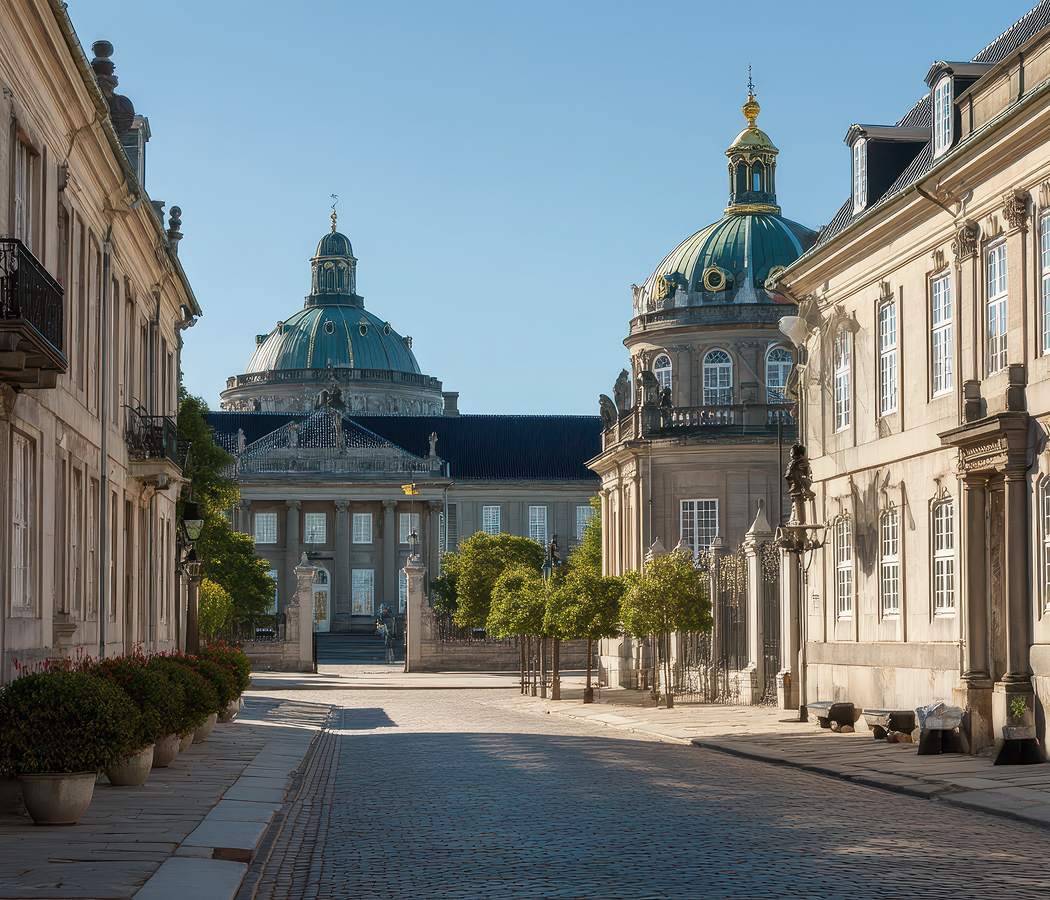
Why you should experience The Royal Graves at Riddarholmen Church in Stockholm, Sweden.
The Royal Graves at Riddarholmen Church is where Sweden's monarchy transcends time, a place where centuries of rulers rest side by side in quiet perpetuity.
Stepping into the dim, vaulted halls feels like crossing into the kingdom's collective memory. The air is still, thick with history and candlelight, and the weight of legacy hums in every stone. Sarcophagi of marble, bronze, and stone line the chapels, not as trophies, but as testaments to power tempered by mortality. The church's Gothic ribs arch overhead like folded wings, sheltering the remains of monarchs who once shaped Europe's fate. Light filters through tall, narrow windows, glinting off gilded crowns and the coats of arms of dynasties long dissolved. You can almost sense the presence of Gustav II Adolf, the warrior-king who fell in battle; of Queen Kristina, whose conversion to Catholicism scandalized her court; and of Karl XII, the Lion of the North, laid to rest beneath a flag still pierced by war. This is not a monument to death, it's a discussion with eternity.
What you should know about The Royal Graves at Riddarholmen Church.
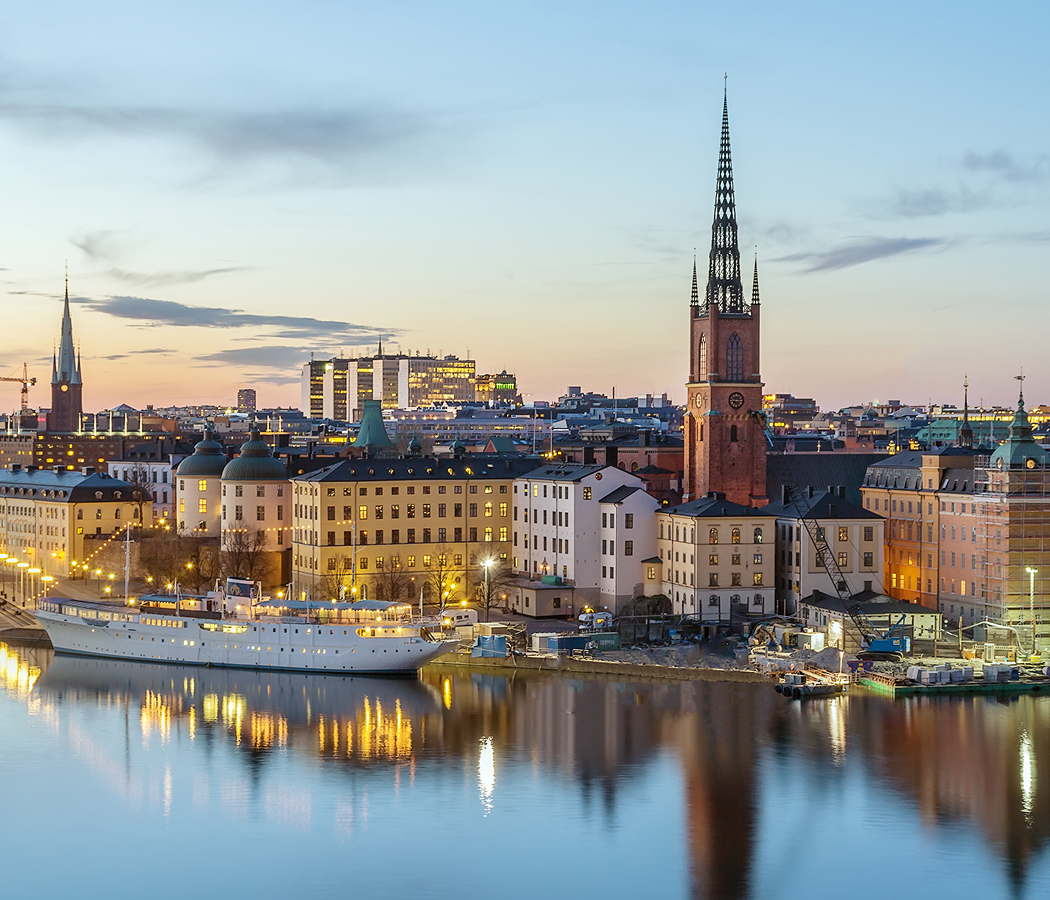
For over 400 years, Riddarholmen Church has served as Sweden's royal necropolis, among the few places in Europe where the lineage of kings and queens can be traced in stone.
The first to rest here was King Magnus Ladulås in the 13th century, entombed beneath a carved effigy that remains one of the church's oldest relics. Over time, Riddarholmen evolved from Franciscan monastery to royal mausoleum, its chapels expanding as dynasties rose and fell. The Vasa Chapel holds Gustavus Adolphus, whose victories during the Thirty Years' War established Sweden as a great power. The Bernadotte Chapel, by contrast, bears the modern simplicity of 19th- and 20th-century burials, a quiet reflection of the monarchy's evolution. Each sarcophagus tells a different story: triumph, exile, devotion, redemption. Even the flags suspended from the ceilings, tattered standards carried in war, remain untouched since the day they were hung, preserved as symbols of loyalty and loss. Few realize that the site still hosts royal commemorations today, maintaining its role as the spiritual heart of Sweden's crown. Every corner seems to breathe history, not frozen, but alive, whispering reminders that even power must one day kneel before time.
How to fold The Royal Graves at Riddarholmen Church into your trip.
Your visit begins in the sanctuary of Riddarholmen Church, where stillness reigns and reverence is instinctive.
Buy your ticket at the modest entrance and descend into the royal chambers slowly, allowing your eyes to adjust to the dim light. Begin with the Vasa Chapel, whose marble tombs and gilded altars speak of Sweden's imperial age. Then move to the Carolinian Chapel, where Karl XII and his predecessors rest beneath banners faded from centuries of ceremony. End your walk in the Bernadotte Chapel, serene, restrained, and quietly human. Listen for the echo of footsteps against the ancient floor; even sound feels sacred here. Outside, take a moment to absorb the view across Lake Mälaren, the same horizon that once guided royal processions to this island of remembrance. Visit at sunset, when golden light spills through the spire's open lattice and warms the tombs below. The Royal Graves at Riddarholmen Church in Stockholm isn't merely a collection of royal graves, it's a meditation on power, humility, and the fragility of all things eternal.
Where your story begins.
Foresyte Travel reveals places that feel extraordinary long before you arrive.
Experience premium editorial crafted for luxury travelers.