Why Wrangel Palace matters.
Wrangel Palace stands like a baroque sentinel over Stockholm's royal island, a vision of symmetry, dignity, and quiet grandeur.
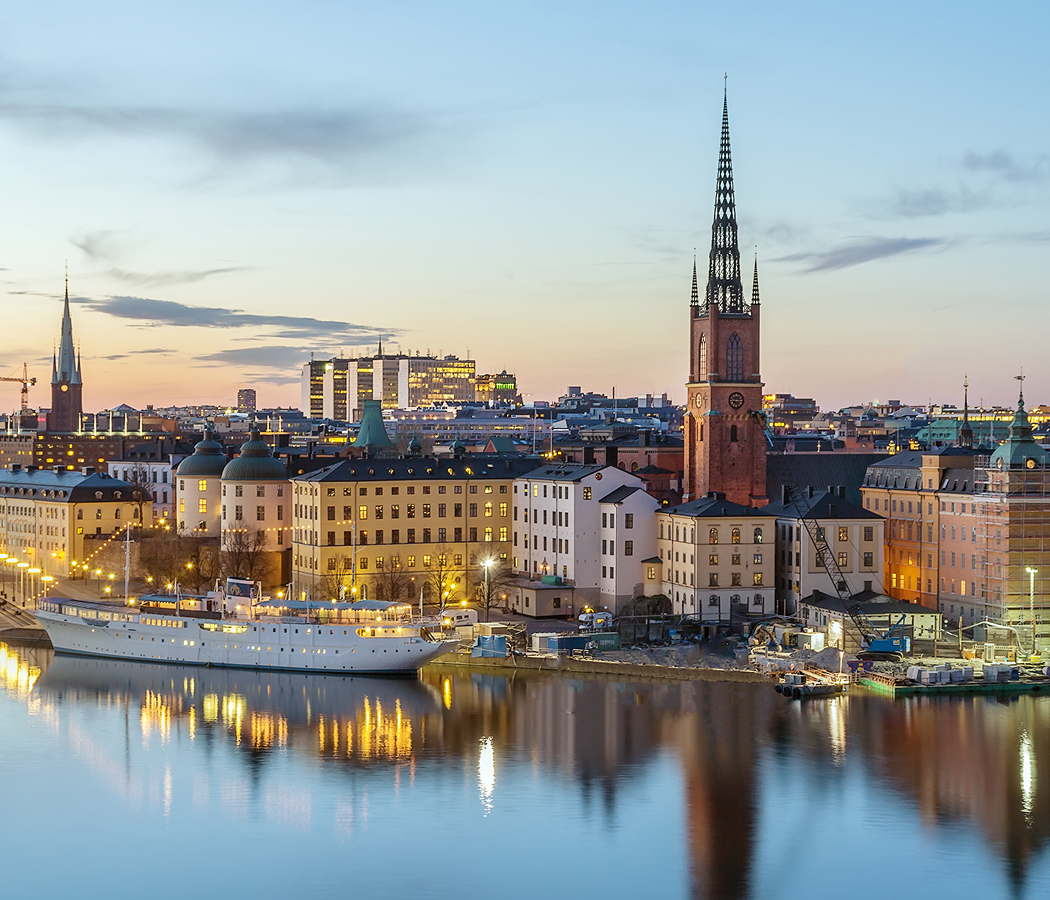
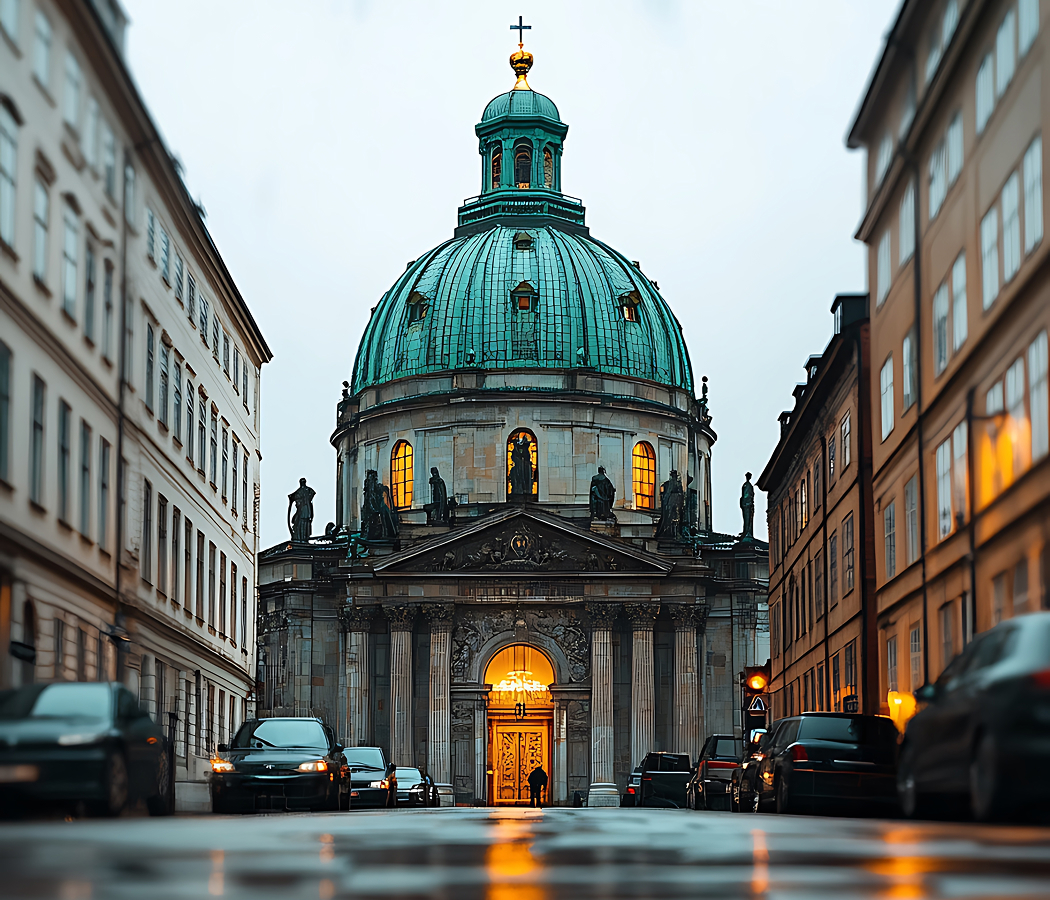
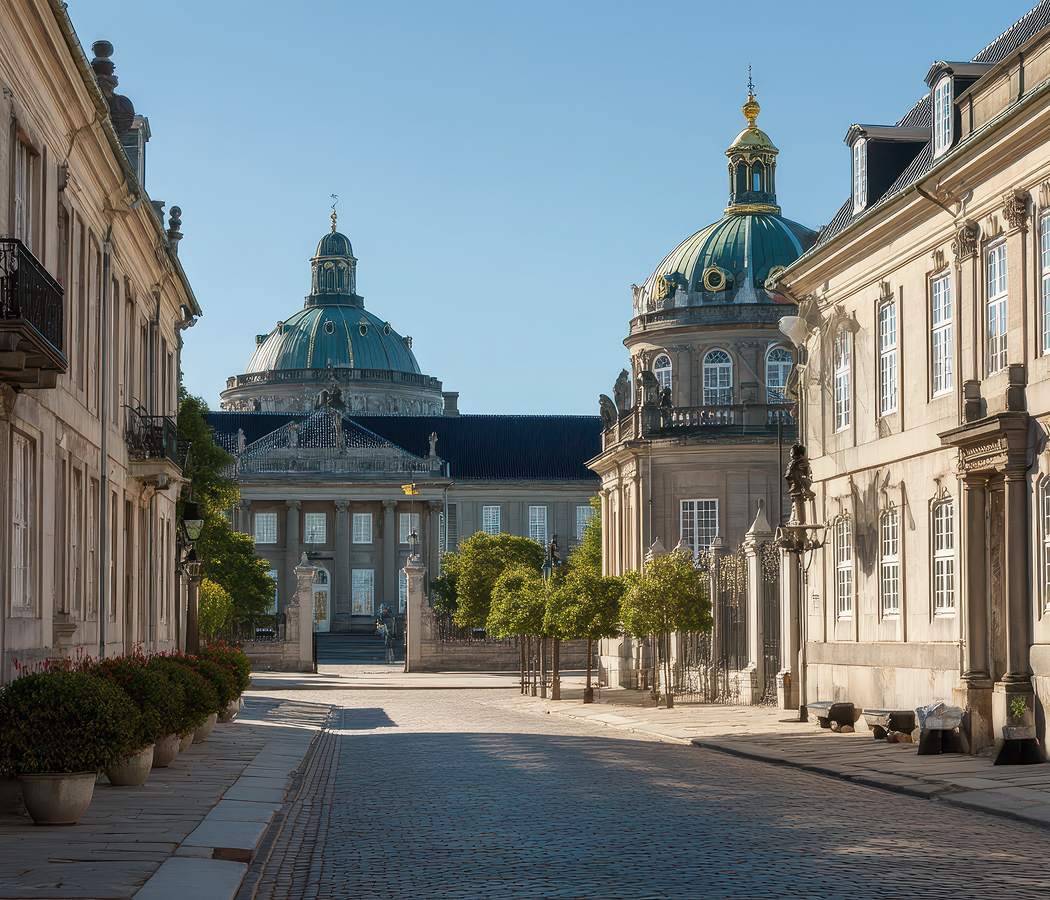
Its pale façades rise above the cobblestones of Riddarholmen Square, overlooking the waters of Lake Mälaren with a stillness that belies its dramatic past. Once a private residence, later a royal palace, and eventually a seat of government, it captures the layered history of Sweden itself, noble in design, resilient in spirit. Sunlight glances across its creamy walls and red-tiled roofs, illuminating window frames that seem to watch over the city with centuries of calm observation. From afar, Wrangel Palace appears austere, yet step closer and you'll see the artistry in its details: the sculpted pilasters, the arched portals, the rhythm of its windows echoing the measured order of the age it was built in. Here, power once lived and ruled, but today, it whispers. The palace stands as an architectural poem to continuity, its reflection dancing on the water like a thought too elegant to fade.
What defines Wrangel Palace.
Wrangel Palace - Wrangelska Palatset, began its life in the 1530s as a fortress tower guarding the western approach to Stockholm.
In the 17th century, Count Carl Gustaf Wrangel transformed it into a lavish baroque residence under the guidance of architect Nicodemus Tessin the Elder, among Sweden's great design visionaries. The result was an elegant masterpiece of early Swedish Baroque, balancing military austerity with aristocratic refinement. After a fire destroyed the original Royal Palace in 1697, Wrangel Palace temporarily became the royal family's official residence, making it, for nearly six decades, the de facto seat of the Swedish monarchy. The building later housed the Svea Court of Appeal, and today it remains an integral part of Sweden's judicial and cultural heritage. Inside, ornate staircases and frescoed ceilings recall an era when architecture spoke the language of ceremony and intellect. Few realize that fragments of the old fortress still exist beneath its foundations, literal roots of strength supporting its graceful form. The palace's riverside location also served as a symbolic anchor for Sweden's naval ambitions, facing the water that once carried the empire's fleets.
How Wrangel Palace fits.
Begin your visit from Riddarholmen Square, where the palace's façade commands the skyline with understated power.
Walk along the cobbled path that curves beside it, tracing the outline of the old fortress walls that still shape its base. From here, the view across the water to Södermalm is one of Stockholm's most painterly, a scene of steeples, bridges, and passing ferries framed by baroque geometry. While the palace interior is not open to the general public, you can still admire its craftsmanship up close and explore the surrounding island, where history seems to echo in the wind. Visit near sunset, when the façades turn golden and the windows blaze with reflected light from the lake. Afterward, wander toward Riddarholmen Church, just steps away, to feel the full weight of the island's royal legacy. For the perfect finale, circle back to the waterfront promenade, where Wrangel Palace glows like a guardian of Stockholm's memory, regal yet quiet, steadfast yet serene. Wrangel Palace at Riddarholmen Square in Stockholm isn't just a building; it's the still-beating heart of Sweden's noble past, perfectly preserved in stone and silence.
Where your story begins.
Foresyte Travel reveals places that feel extraordinary long before you arrive.
Enjoy editorial crafted for luxury travelers.
Foresyte may earn a commission when you book.