
Why Rue du Bac matters.
Rue du Bac is a distinguished Saint-Thomas-d'Aquin corridor where aristocratic elegance, intellectual heritage, sacred history, and Left Bank refinement converge along one of Paris' most storied streets.
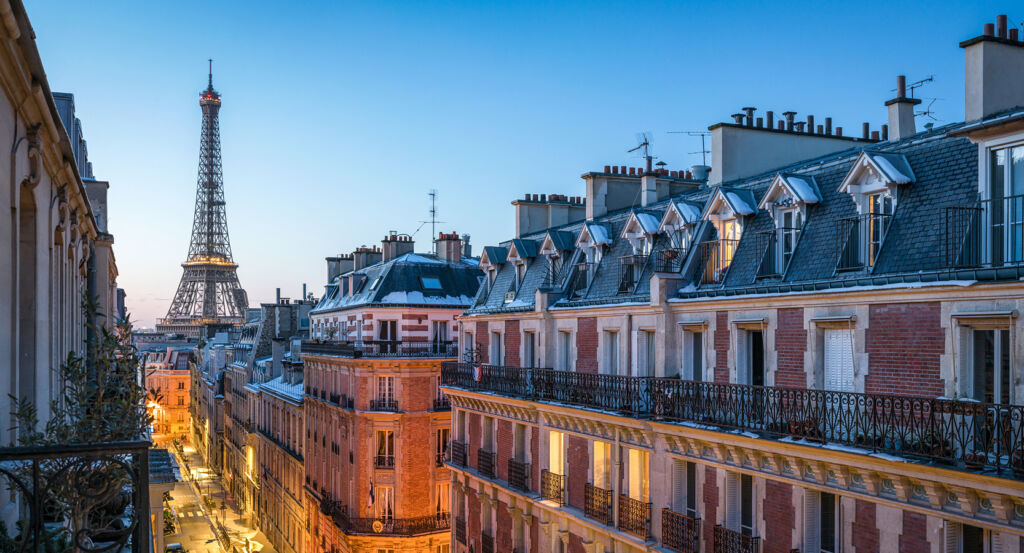
Running through Saint-Thomas-d'Aquin between Quai Voltaire and Rue de Sèvres, this elegant corridor unfolds through grand hôtels particuliers, celebrated antique galleries, refined boutiques, historic cafés, embassies, and beautifully preserved seventeenth and eighteenth century architecture that reflects centuries of cultural prestige. Ornate limestone façades, quiet courtyards, independent art dealers, and neighborhood institutions create an atmosphere where scholarship, craftsmanship, and understated luxury naturally coexist. Every block reveals a remarkable continuity of architectural excellence and cultural sophistication that has distinguished the Left Bank for generations. The result is a corridor defined by timeless elegance, intellectual character, and one of Paris' most rewarding historic streets.
What defines Rue du Bac.
Rue du Bac is best known for deriving its name from the ferry crossing established in 1550 to transport stone for the construction of the Tuileries Palace across the Seine, creating the principal river crossing that connected the expanding Left Bank with royal Paris long before the Pont Royal replaced it in 1689. The corridor later gained international significance through the Chapel of Our Lady of the Miraculous Medal, where Saint Catherine Labouré reported Marian apparitions in 1830 that inspired the creation of the Miraculous Medal, among the most widely distributed Catholic devotional objects in the world and a destination that continues attracting millions of pilgrims from across the globe.
Grand private mansions, distinguished galleries, religious institutions, and celebrated antique dealers preserve a refined streetscape shaped by centuries of artistic patronage and spiritual heritage. The enduring blend of royal history, architectural distinction, and international pilgrimage establishes Rue du Bac as one of the Left Bank's most historically and culturally significant corridors.
How Rue du Bac fits.
Rue du Bac works as an exploration through Saint-Thomas-d'Aquin's celebrated museums, historic churches, and refined Left Bank streets.
Begin at Musée d'Orsay, where one of the world's greatest collections of Impressionist art establishes the neighborhood's extraordinary cultural stature before strolling along Rue du Bac through its elegant historic streetscape. Continue to Chapel of Our Lady of the Miraculous Medal, whose remarkable spiritual legacy provides the defining historic experience of the corridor while offering a moment of quiet reflection. Conclude at Le Bon Marché, where the world's oldest continuously operating department store delivers a memorable finale celebrating Parisian innovation, craftsmanship, and timeless elegance. The progression moves naturally from artistic mastery to sacred heritage before concluding at an icon of Parisian retail history, revealing why Rue du Bac remains one of the Left Bank's most distinguished corridors.
Where your story begins.
Foresyte Travel reveals places that feel extraordinary long before you arrive.
Experience premium editorial crafted for luxury travelers.
Foresyte Travel may earn a commission when you book through the link on this page.














































































































