
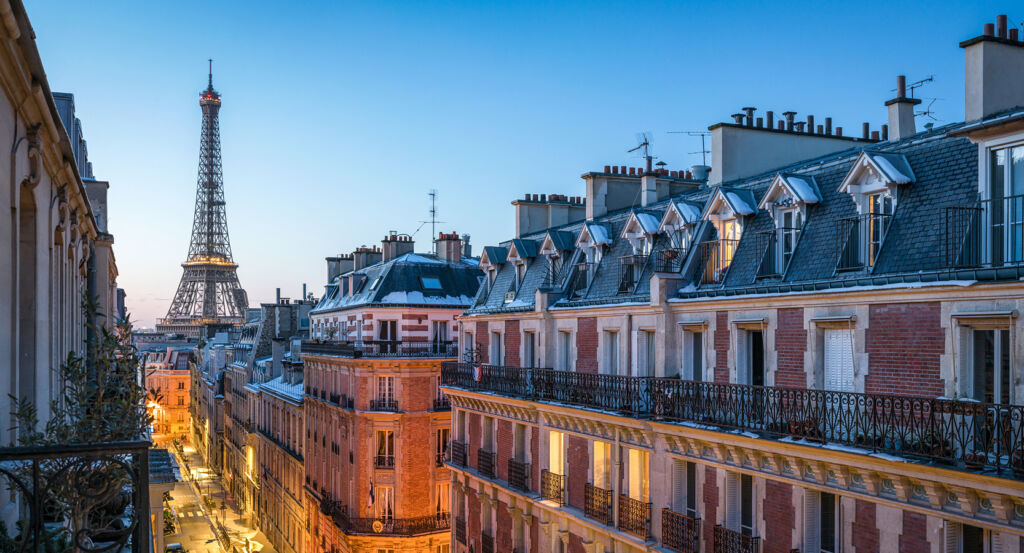
Why you should experience Rue Payenne in Paris, France.
Rue Payenne is a historic Saint-Gervais corridor where aristocratic grandeur, Renaissance architecture, literary heritage, and the timeless elegance of Le Marais converge along one of Paris' most refined residential streets.
Running through Saint-Gervais between Rue Pavée and Rue de Sévigné, this intimate historic corridor unfolds through grand hôtels particuliers, beautifully preserved Renaissance façades, secluded courtyards, elegant stone mansions, and distinguished cultural institutions that preserve the remarkable character of aristocratic Paris. Carved portals, slate roofs, ornamental dormers, and quiet cobbled surroundings create a tranquil atmosphere where centuries of architectural excellence remain largely unchanged despite the energy of the surrounding Marais. Every building reflects the extraordinary craftsmanship that transformed the neighborhood into the preferred residential quarter of France's political and noble elite. The result is a corridor defined by architectural distinction, historical continuity, and one of Le Marais' most enchanting streets.
What you should know about Rue Payenne.
Rue Payenne is best known for preserving the Hôtel de Lamoignon, completed in 1584 for Diane de France, the legitimized daughter of King Henry II, before later becoming the residence of Guillaume de Lamoignon, First President of the Parliament of Paris, whose influential legal career established the mansion among the capital's most distinguished aristocratic residences. The street also occupies a celebrated place in French literary history through its close association with Victor Hugo, whose home overlooking nearby Place des Vosges stands only moments away, reinforcing Rue Payenne's position within the cultural landscape that shaped some of France's greatest artistic and intellectual achievements.
Rue Payenne continues expressing that remarkable legacy through meticulously preserved Renaissance architecture, cultural institutions, elegant residences, and a peaceful streetscape that rewards careful exploration. Historic façades, refined architectural detailing, and the enduring residential character of the corridor preserve the atmosphere of seventeenth century Le Marais while demonstrating why this discreet street remains one of the neighborhood's finest expressions of aristocratic Paris.
How to fold Rue Payenne into your trip.
Rue Payenne works as an exploration through Saint-Gervais' remarkable aristocratic heritage and cultural landmarks.
Begin at Place des Vosges, where France's oldest planned royal square introduces the extraordinary elegance of historic Le Marais before wandering through Rue Payenne's beautifully preserved streetscape. Continue to Hôtel de Lamoignon, whose grand Renaissance architecture represents one of the district's finest aristocratic residences and today houses the Bibliothèque historique de la Ville de Paris. Conclude at Musée Carnavalet, where the history of Paris unfolds through exceptional collections that provide a fitting finale celebrating the people, architecture, and events that shaped the surrounding neighborhood. The progression moves naturally from royal urban planning to aristocratic architecture before concluding through the city's definitive historical museum, revealing why Rue Payenne remains one of Paris' most rewarding historic corridors.
Where your story begins.
Foresyte Travel reveals places that feel extraordinary long before you arrive.
Experience premium editorial crafted for luxury travelers.














































































































