Why you should experience Scandic Continental in Stockholm, Sweden.
Scandic Continental is where dynamic city movement, design clarity, and social openness converge, a stay that feels intimately connected to Stockholm's rhythm, effortlessly positioned for discovery, and composed with thoughtful intention.
Located directly above Stockholm Central Station and just steps from some of the city's most active boulevards, this hotel occupies a site defined by motion, connection, and modern urban logic. Arrival here feels immediate and purposeful: trains glide in, people come and go, and the city seems to pulse in real time around you rather than waiting for you to arrive. The building's exterior communicates presence without pretense, confident lines and a welcoming façade that signal accessibility and clarity rather than grandiosity. Step inside and the atmosphere unfolds into calm functionality with subtle design nuance. Interiors are arranged for flow and ease, with materials that feel tactile and composed: warm woods, well-appointed textiles, and lighting that balances practicality with comfort. Public areas feel alive without chaos, spaces where you can read, meet, plan the day, or simply watch urban life unfold beyond the windows. This is not a hushed lobby; it is a social room calibrated to hold movement, pause, and conversation in the same breath. Guest rooms continue this design logic. Expect beds dressed in crisp, supportive linens that invite genuine rest, furnishings that feel modern without rigidity, and layouts that emphasize proportion and clarity rather than ornament. Rooms feel connected to the city's life without subtracting from quiet, large windows frame rooftops, transit corridors, or glimpses of Stockholm's skyline, anchoring you in place rather than isolating you behind glass. Bathrooms are clean, contemporary, and efficiently composed with quality fixtures, walk-in showers or tubs, and lighting that supports both early starts and late returns with ease. What defines Scandic Continental is its urban attunement. Public spaces, lounges, cafés, and dining areas, are designed for socially alive moments that still feel relaxed. The hotel's restaurant draws a mix of guests and locals who appreciate menus shaped by seasonal Nordic sensibilities, and the bar feels like a node of conversation. Service here is polished and welcoming, delivered with competent confidence and a deep sense of how Stockholm feels in motion: attentive. Step outside and Stockholm unfolds in layered ways. From here you can walk to Gamla Stan's historic lanes, the refined avenues of Östermalm, creative streets of Södermalm, and waterfront promenades along the city's islands, each direction offering a distinct chapter of the city's identity. Transit access, trains, metro, buses, and ferries, turns the rest of Stockholm into a series of neighborhoods. Scandic Continental is ideal for travelers who want Stockholm to feel connected, purposeful, and thoughtfully contemporary, a stay that privileges engagement with the city's living fabric over detached observation.
What you should know about Scandic Continental.
Scandic Continental occupies a site shaped by Stockholm's evolution as a transportation-anchored capital, an area where movement, infrastructure, and civic presence were integrated deliberately.
The district around Stockholm Central Station has long served as the city's operational heart. As rail lines expanded in the late 19th and 20th centuries, this neighborhood became the point where Stockholm connected not only to its nation but to Europe's broader networks. Unlike historic districts preserved as isolated monuments, this zone evolved through function and flow. Buildings here were designed to serve as conduits for people and ideas, with architecture shaped by accessibility and scale. Scandic Continental reflects this identity. Its architectural language engages proportion and access in equal measure: sightlines designed for orientation, entrances aligned with movement, and transparent edges that connect interior life to exterior flow. A lesser-known aspect of this quarter is how Stockholm planners intentionally retained pedestrian readability even as transit infrastructure intensified. Sidewalks are generous; sightlines remain clear; transitions between districts are navigable. This planning logic makes exploring on foot or by public transit feel intuitive rather than forced, an experience Scandic Continental leverages in its spatial composition. Inside the hotel, this character manifests in spatial sequences that support human movement and encounter. Public areas flow into each other with purpose: café to lounge to lobby, and circulation zones that feel intentional. Materials are chosen for physical presence and durability, expressing a confidence rooted in substance. Lighting is layered to support use and mood rather than dramatic display; textures are tactile without being heavy; forms are clear rather than superfluous. This reflects a broader Scandinavian design temperament that values clarity and purpose over theatrical exhibition. Another subtle dimension of the hotel's character lies in how it manages acoustics and city energy. Spaces are designed to absorb and mediate sound, allowing conversation, movement, and urban presence to coexist. This design choice is less about neutrality and more about supporting experience without erasing context, a hallmark of thoughtful hospitality design. Staying here places you inside Stockholm's connective tissue, where transit, culture, and urban life interweave continuously.
How to fold Scandic Continental into your trip.
Scandic Continental works best when you let movement, context, and immediate access shape your experience.
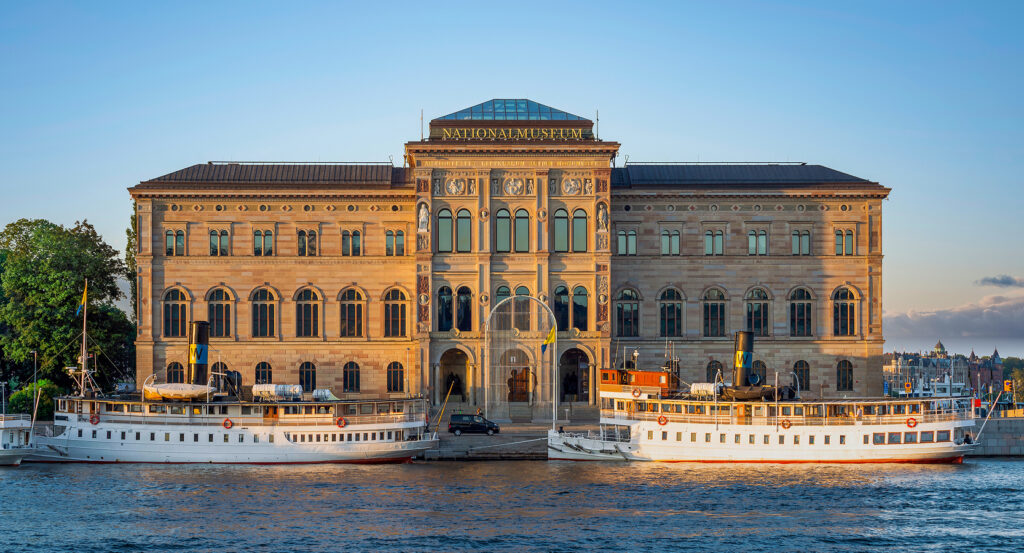
Begin your mornings with coffee in the hotel's public spaces or a neighborhood café, watching the city organize itself through streets, transit, and gathering moments. From here, choose direction rather than distance: walk toward historic Gamla Stan for medieval lanes and waterfront views, or veer toward Södermalm for creative streets and independent cafés. Late mornings are ideal for cultural exploration. Stockholm's world-class museums, design showcases, and galleries are all within reach. Return to the hotel midday for a pause that feels restorative rather than interruptive; the public areas are designed for calm focus, quiet conversation, or a moment of stillness amidst movement. In the afternoon, let transit expand your sense of the city. A short metro ride can bring you to green spaces, waterfront promenades, or refined shopping districts in Östermalm. The ease of return, because the hotel sits above a major transit hub, encourages deeper curiosity. As evening approaches, consider dinner either within the hotel's restaurant or at a nearby table chosen for texture. Stockholm's culinary scene rewards discovery; menus shift with seasons, and places that feel local often become memorable. After dinner, take a calm walk through streets lit with presence rather than noise, the transition back feels seamless rather than abrupt. On your final morning, linger with coffee and quiet observation. Notice how the city feels now intimate rather than distant, how connections between places make sense because you experienced them physically rather than conceptually.
Where your story begins.
Foresyte Travel reveals places that feel extraordinary long before you arrive.
Experience premium editorial crafted for luxury travelers.