
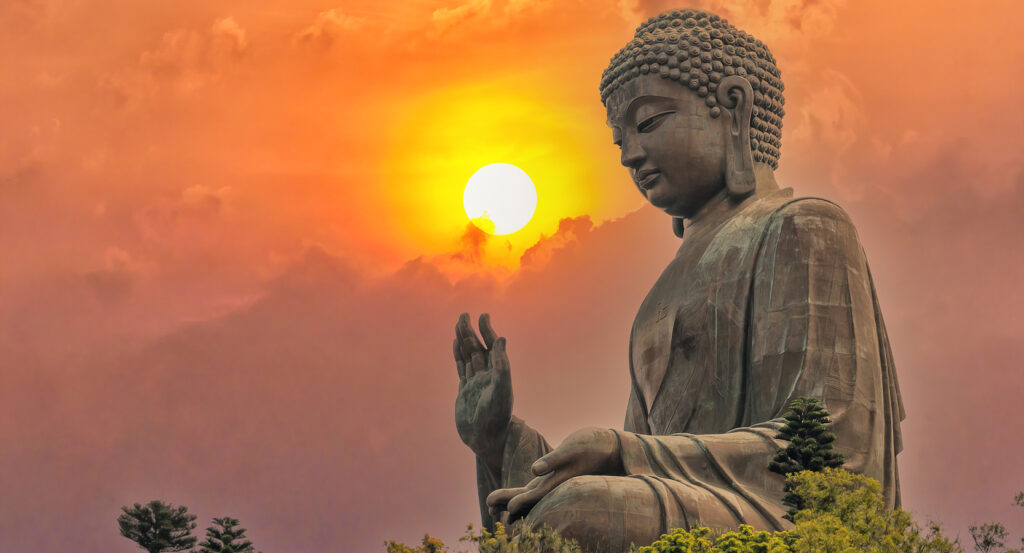
Why Ngong Ping Village matters.
Ngong Ping Village in Hong Kong is where pilgrimage meets poetry, a mountain hamlet where mist, culture, and spirituality intertwine.
Perched high on Lantau Island, it serves as the tranquil gateway to the Big Buddha and Po Lin Monastery, but it's far more than a stop along the way. The village feels suspended between centuries: traditional Chinese architecture frames cobblestone walkways, yet cafés, tea houses, and artisan shops hum with modern rhythm. The air here carries the scent of incense and pine, the sound of temple bells blending with laughter from passing travelers. As you stroll beneath red lanterns, you'll find yourself moving at a slower pace, not by choice, but by nature's quiet insistence. Clouds drift lazily through the alleys, wrapping the tiled roofs in soft white light, while glimpses of the bronze Buddha above remind you that every path here leads, quite literally, toward enlightenment. Ngong Ping isn't a theme park, it's a living threshold, where the journey upward becomes an act of inner stillness.
What defines Ngong Ping Village.
Though it feels ancient, Ngong Ping Village was purpose-built in 2006 to honor Hong Kong's Buddhist heritage while welcoming visitors into its spiritual landscape.
Its layout draws inspiration from traditional Tang and Qing dynasty towns, with symmetry, open courtyards, and flowing lines designed to evoke harmony. Yet beneath the architecture lies careful symbolism, the main boulevard subtly aligns with the axis of the Tian Tan Buddha, guiding visitors through a physical and spiritual ascent. Along the way, cultural installations such as the “Walking with Buddha” multimedia experience and the “Ngong Ping Tea House” offer glimpses into Buddhist philosophy and local tea rituals. What many don't realize is how seamlessly the village integrates sustainability into its operations, solar panels, stormwater collection systems, and limited vehicular access protect the delicate mountain environment. Even the surrounding landscaping was chosen for mindfulness: native plants that attract butterflies and birds, turning the village into a small ecosystem of serenity. Locals see Ngong Ping not just as a tourist hub, but as a symbolic meeting point between old Hong Kong and new, a place where commerce and contemplation find rare balance.
How Ngong Ping Village fits.
Arriving at Ngong Ping is half the experience.
Board the Ngong Ping 360 cable car from Tung Chung and watch as the world unfolds beneath you, forests, ocean, and sky blending into a moving watercolor. The 25-minute ride culminates in a slow descent toward the village, where tiled rooftops appear through swirling clouds like a mirage. Once you step off, begin your walk through the main promenade, stopping to browse the small boutiques selling handmade incense, jade jewelry, and spiritual keepsakes. Sip tea at one of the traditional tea houses or sample local snacks like bean curd pudding and herbal jelly from street stalls. Make time to visit the Bodhi Wishing Shrine, where ribbons of prayer flutter in the wind, then follow the path to Po Lin Monastery and the Big Buddha, the spiritual crescendo of your ascent. As daylight fades, the village takes on an otherworldly calm: lanterns glow amber, the air cools, and a quiet hum of reverence settles over the square. When you finally take the cable car back down, the view of the illuminated Buddha shrinking into the mist feels like the closing line of a poem, one you'll carry long after you leave.
Where your story begins.
Foresyte Travel reveals places that feel extraordinary long before you arrive.
Enjoy editorial crafted for luxury travelers.
Foresyte may earn a commission when you book.

















































































































