Why The Westin Brisbane matters.
The Westin Brisbane is a contemporary urban hotel where Brisbane's riverfront growth meets a global philosophy of restorative hospitality, resort-style leisure and the vertical transformation of the city centre.
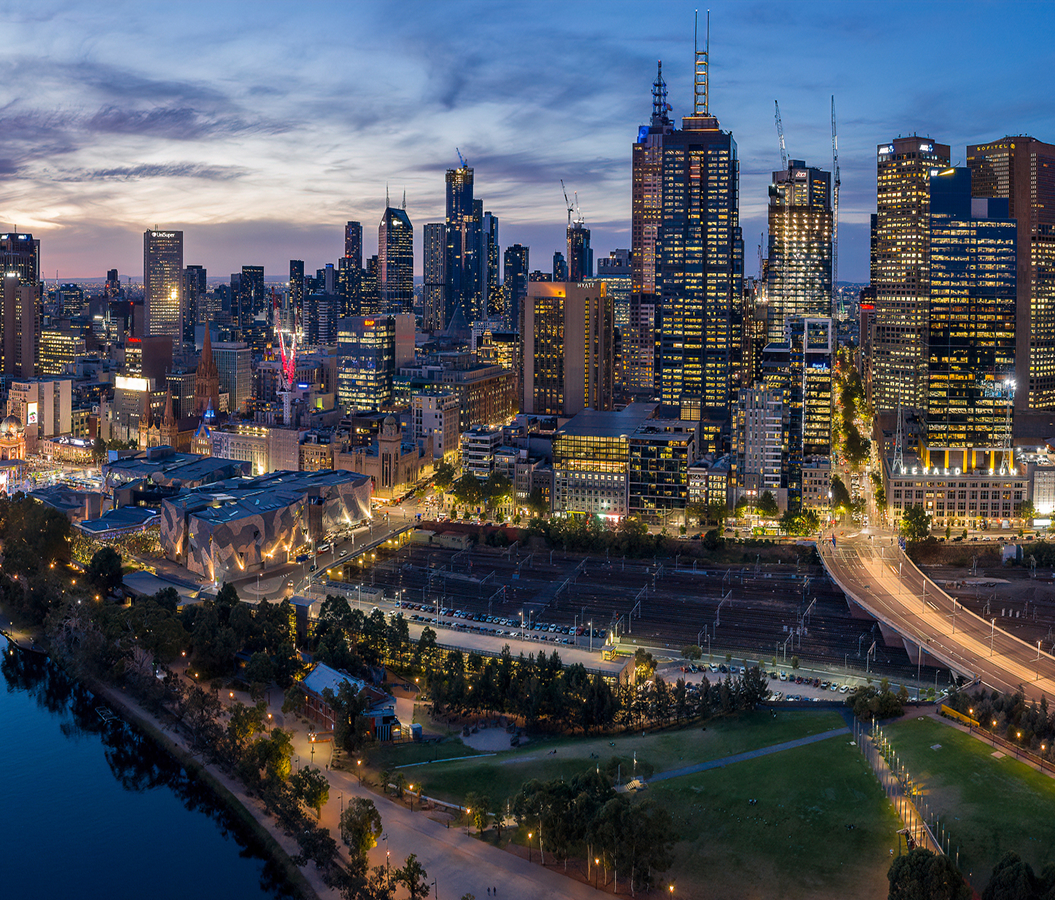
Occupying 111 Mary Street within Brisbane's central business district, The Westin Brisbane stands between Queen Street Mall, the City Botanic Gardens and the Brisbane River, with Eagle Street, Queens Wharf and the river crossings toward South Bank shaping its immediate surroundings. Mary Street rises through a dense commercial grid of offices, apartments, hotels and retail arcades. The City Botanic Gardens create a broad green edge to the east, and the river bends around the southern boundary of the central city. Queen Street carries the principal retail movement northward, and the waterfront extends toward Howard Smith Wharves and Kangaroo Point. The result is a hotel positioned between Brisbane's commercial core, its oldest public landscape and the open geography of the river.
What defines The Westin Brisbane.
The Westin Brisbane originated in Malaysian-Australian property developer Sam Chong's ambition to establish an integrated luxury hospitality and residential development during one of the most substantial periods of hotel investment in Queensland's capital. Chong's family had already entered Brisbane's international hotel market through Four Points by Sheraton Brisbane, which opened in 2014 as the city's first newly constructed internationally branded hotel in more than fifteen years. The subsequent Mary Lane development extended that investment into a more ambitious architectural program, combining a Westin hotel with privately owned residences and a collection of dining establishments. In November 2015, Starwood Hotels & Resorts announced plans to introduce Westin to Queensland through the proposed development, establishing another international hospitality partnership with the Chong family. The project advanced through Mary 111 Pty Ltd, the family-controlled ownership company, with construction undertaken by Watpac through a contract valued at A$194 million. Architectural practice Woods Bagot developed the building's distinctive contemporary identity, interpreting Brisbane's subtropical climate through a combination of glazed façades, landscaped terraces and architectural spaces designed for year-round outdoor living. Project design leader Mark Damant directed a particularly consequential intervention at street level, relocating the traditional hotel vehicle entrance to create a more continuous relationship between the building's hospitality spaces and the surrounding pedestrian environment. This arrangement allowed restaurants and bars to occupy the principal street frontage, establishing a public-facing commercial environment shared by hotel guests, residential occupants and Brisbane residents. Woods Bagot principal Bronwyn McColl contributed to the interior design philosophy, incorporating natural stone, timber and warm decorative tones inspired by Queensland's landscape and residential architecture. The project's carefully articulated tower combined a three-storey glazed podium with recessed upper levels, introducing contrasting architectural volumes that reduced the visual dominance of the high-rise structure. Construction proceeded between 2016 and 2018, establishing a substantial mixed-use complex whose residential component occupied the upper levels above the hotel. The development incorporated 184 luxury apartments, creating a privately owned residential community connected to the hospitality services of an international hotel. The project also introduced a distinctive relationship between permanent residential ownership and hotel operations, allowing residents to participate in selected Westin services through an integrated management arrangement. Marriott International's acquisition of Starwood Hotels & Resorts in September 2016 brought the forthcoming property into the expanded Marriott portfolio during its construction. In March 2018, Marriott appointed Brad Mercer as complex general manager of The Westin Brisbane and Four Points by Sheraton Brisbane, establishing coordinated leadership across the Chong family's two international hotel investments. The Westin Brisbane officially opened on November 8, 2018, becoming Queensland's first Westin property during a year of exceptional expansion in the city's luxury accommodation sector. Queensland Tourism Minister Kate Jones participated in the opening alongside Brisbane Deputy Mayor Adrian Schrinner, property owner Paul Chong and Mercer, reflecting the development's importance to the city's visitor economy. Eight hotels opened across Brisbane's central districts during 2018, representing A$800 million in private investment and strengthening the capital's capacity to accommodate international tourism and major events. The Westin introduced Brisbane's first swim-up hotel bar, establishing a recreational distinction that reflected the property's architectural emphasis on Queensland's outdoor lifestyle. Its opening also brought Australia's first Heavenly Spa by Westin to Brisbane, extending the brand's established wellness philosophy into a dedicated metropolitan hospitality setting. The Westin Brisbane represents a significant chapter in Queensland's contemporary hospitality development, connecting family-owned property investment, international hotel expansion and the architectural adaptation of luxury urban accommodation to Brisbane's subtropical character.
How The Westin Brisbane fits.
The Westin Brisbane works as a base for understanding Brisbane through the relationship between the central business district, the river and the public landscapes that shaped the city's growth.
Begin at City Botanic Gardens, the oldest public garden in Brisbane and a landscape whose history reaches back to the city's early colonial settlement. The gardens occupy a riverfront site first cultivated by convicts in the 1820s, and their plantings later developed under curator Walter Hill into an important botanical collection. Mature palms, fig trees, ornamental ponds and avenues of tropical vegetation demonstrate the subtropical character of Queensland's capital. Continue to Queensland Parliament House, the sandstone civic building designed by Charles Tiffin and completed in 1868. Its French Renaissance Revival architecture includes a distinctive mansard roof and a central parliamentary chamber that has hosted Queensland's legislative life for more than a century. Conclude at Queensland Art Gallery, the principal gallery of the Queensland Cultural Centre and a major home for Australian, Asian, European and Indigenous art. The building opened in 1982, and its collection spans colonial painting, modernism, contemporary practice and works connected to Queensland's cultural history. The progression moves from Brisbane's early botanical landscape through the institutions of representative government and culminates in the city's principal public art collection, connecting natural history, civic authority and cultural expression along the river.
Where your story begins.
Foresyte Travel reveals places that feel extraordinary long before you arrive.
Enjoy editorial crafted for luxury travelers.