Why The Westin Melbourne matters.
The Westin Melbourne is a distinguished city hotel where Collins Street's commercial heritage meets Melbourne's laneway culture, Victorian architecture and the cultural institutions that define Australia's most European-influenced metropolis.
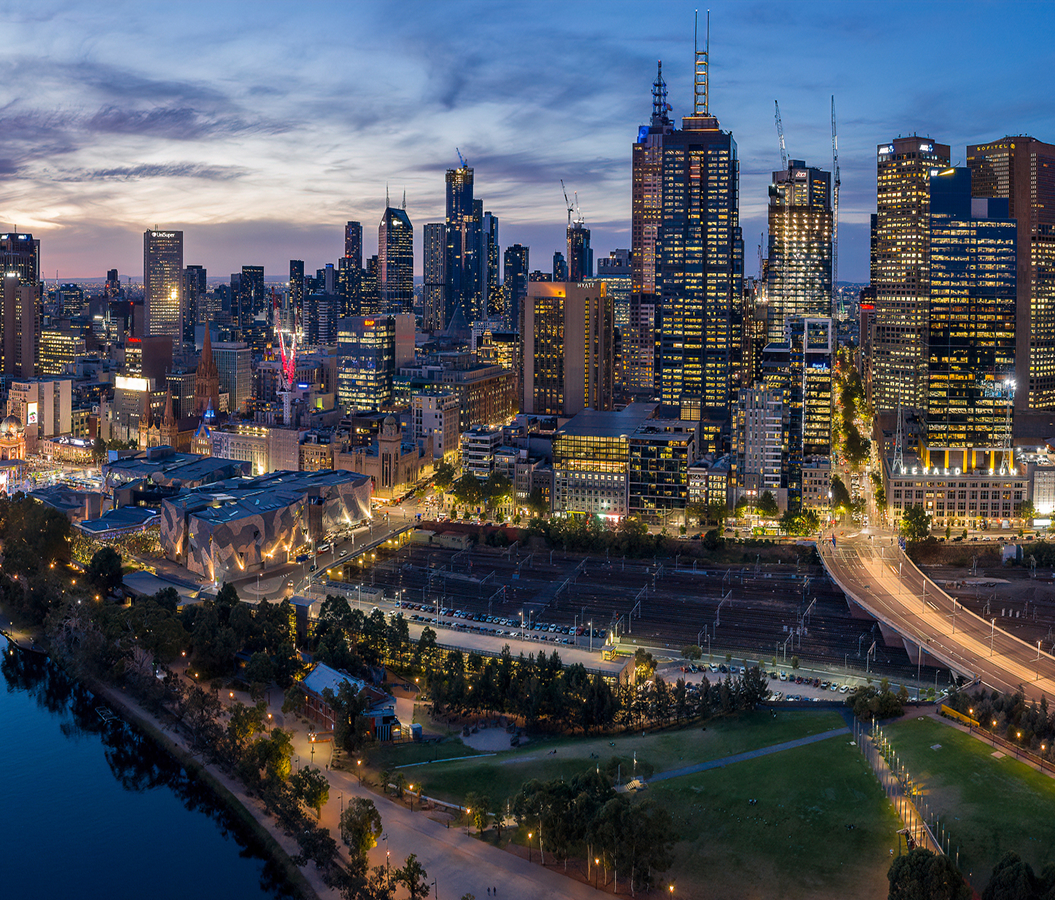
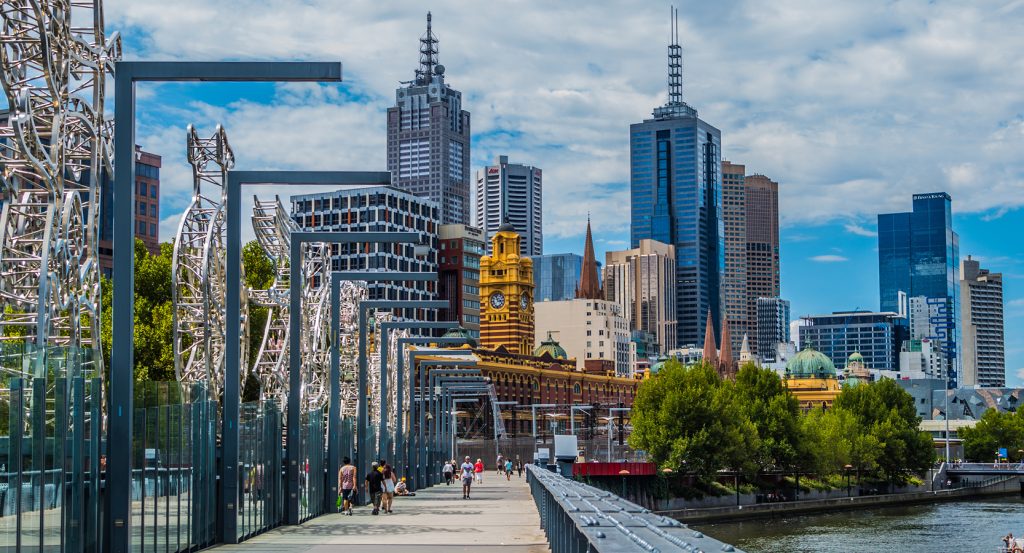
Set along Collins Street in Melbourne's central business district, The Westin Melbourne occupies a prominent position between Federation Square, Parliament House and the Yarra River, with Treasury Gardens extending east and the city's laneways, offices and theaters surrounding the property. Its stone-and-glass façade rises above a formal urban entrance, combining classical proportions, broad windows and contemporary interior spaces shaped by the historic street grid. Guest rooms and suites face Collins Street, city rooftops or the surrounding civic buildings, with upper floors providing views across towers, gardens and distant suburbs. The hotel's public interiors create a transition from the active sidewalks to restaurants, lounges, spa facilities and event rooms organized within the building. Collins Street carries pedestrians between offices, galleries, theaters, luxury shops and historic commercial buildings, while nearby laneways reveal Melbourne's distinctive culture of cafés, street art and small-scale urban commerce. The surrounding district combines Victorian façades, modern office towers, tram lines, public gardens and narrow pedestrian passages, revealing the layered development of the city center. The property's location places visitors within walking distance of museums, theaters, markets, parks and the riverfront. The result is a substantial urban hotel whose architecture and position connect Melbourne's commercial history with its contemporary cultural and public life.
What defines The Westin Melbourne.
The Westin Melbourne is best known for its pivotal role in the restoration of the Regent Theatre and the redevelopment of Melbourne's City Square, connecting the preservation of a celebrated Australian picture palace with the commercial transformation of the city's historic Collins Street precinct. The hotel's origins trace to a prolonged civic debate over the future of the Regent Theatre, which opened in 1929 as one of Melbourne's grandest entertainment venues. Designed by architect Cedric Heise Ballantyne, the theatre incorporated an elaborate Louis XVI-style auditorium, a Gothic-inspired entrance foyer and the Spanish Baroque Plaza Ballroom beneath the principal performance space. Its closure in 1970 initiated a contentious preservation campaign that became one of Melbourne's most significant architectural conservation disputes. Melbourne City Council acquired the theatre complex, but successive redevelopment proposals encountered financial difficulties and public opposition, leaving the historic building's future unresolved for more than two decades. Theatre entrepreneur David Marriner ultimately negotiated an agreement with the Victorian Government and Melbourne City Council that linked the Regent's restoration to the commercial redevelopment of part of City Square. The arrangement provided for a major hotel development on the square's eastern portion, generating financial support for the theatre's rehabilitation and introducing a new hospitality destination to the surrounding cultural district. Marriner's involvement followed his successful restoration of Melbourne's Princess Theatre, establishing a broader commercial strategy that connected historic performance venues with contemporary entertainment investment. The Regent reopened in August 1996 following an A$25 million restoration, returning its elaborate interiors to public use and establishing a permanent home for major theatrical productions. Construction of the adjoining Westin development proceeded during the subsequent transformation of City Square, replacing part of the original public plaza with a substantial hotel complex. Desmond Brooks International collaborated with Melbourne architectural practice PeckvonHartel on the building's design, developing a contemporary interpretation of traditional metropolitan hotel architecture. The Westin Melbourne opened in 2000, establishing an international luxury hospitality institution beside the restored theatre and strengthening the commercial relationship between Collins Street's established shopping district and Melbourne's performing arts economy. Its completion also marked a significant transformation of City Square, whose remaining public spaces underwent extensive redesign as part of the wider development. The hotel represents an important chapter in Melbourne's late twentieth-century urban history, connecting the conservation of a nationally significant entertainment landmark with the commercial reinvention of the city's historic center.
Where your story begins.
Foresyte Travel reveals places that feel extraordinary long before you arrive.
Enjoy editorial crafted for luxury travelers.