Three days in London, England.
London doesn't announce itself, it reveals itself slowly, like a city confident enough to let gravity do the talking.
This itinerary moves through London as a sequence of composed revelations rather than a checklist of sights, balancing ritual, appetite, and atmosphere across three days that feel measured rather than rushed. Mornings unfold among public spaces shaped by centuries of intent, afternoons lean into institutions that quietly define global culture, and evenings settle into dining rooms where restraint is the highest form of luxury. London's power lives in proportion, between old stone and moving water, between ceremony and appetite, between spectacle and silence. This journey is designed to let those tensions breathe, allowing the city to feel legible, grounded, and quietly magnificent.
Three days you'll remember.
📍 mind the feelings
Day 1: Trafalgar Square
Trafalgar Square operates as London's civic heart, where monuments, museums, and public life converge in deliberate symmetry. The scale feels ceremonial without being oppressive, anchored by Nelson's Column and framed by institutions that signal cultural gravity. It's an ideal introduction to the city's sense of order, where history is not frozen but actively inhabited.
Day 1: Cecconi's
Cecconi's blends Italian indulgence with London polish, occupying a space that feels perpetually confident. The menu leans classic, with disciplined execution that prioritizes comfort and consistency over reinvention. It's a room built for conversation, signaling the city's talent for making refinement feel effortless.
Day 2: British Museum
The British Museum houses one of the most comprehensive collections of human history under a single roof, presented with calm authority. Walking its galleries compresses centuries into a coherent narrative, where artifacts feel contextual. The experience is less about spectacle than about scale, intellectual, temporal, and cultural.
Day 2: Dehesa
Dehesa offers Spanish-inspired small plates rooted in seasonal sourcing and restraint, favoring balance over excess. The atmosphere is intimate and quietly energetic, making it easy to linger. It works as a grounding pause between cultural immersion and the afternoon ahead.
Day 2: Westminster Abbey
Westminster Abbey carries the weight of British ceremonial history without losing its sense of spiritual gravity. The architecture guides the eye upward, reinforcing the Abbey's role as both sacred space and national archive. It's a reminder that London's authority has always been built on ritual as much as power.
Day 2: El Camion Soho
El Camion brings informal Mexican energy into the heart of Soho, prioritizing flavor and immediacy over refinement. The room feels lively and unpretentious, offering a tonal shift from the day's grandeur. It's a reminder that London thrives when contrast is allowed to exist freely.
Day 3: The Wolseley
The Wolseley operates at the intersection of café culture and grand dining, serving as a longtime fixture of London's social rhythm. Its European sensibility and polished service create a sense of continuity that feels reassuring. Breakfast or lunch here sets a composed tone for the final day.
Day 3: Tower of London
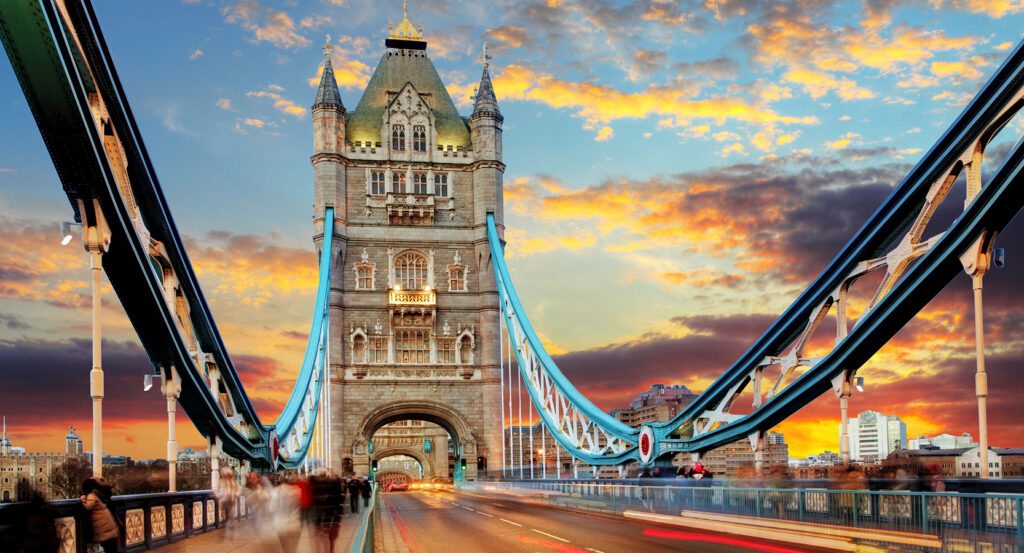
The Tower of London stands as a layered symbol of power, confinement, and continuity along the Thames. Its presence feels heavy without being theatrical, shaped by centuries of shifting purpose. Visiting reframes the city's history as lived experience.
Day 3: London Eye
The London Eye offers a slow, deliberate ascent over the Thames, revealing the city's layout in full context. Unlike faster observation decks, its pace encourages reflection rather than spectacle, allowing landmarks to assemble into a coherent whole. The experience reframes London not as sprawl, but as a composed narrative shaped by water, history, and restraint.
Day 3: Inamo
Inamo merges contemporary Japanese cuisine with subtle technological play, without allowing novelty to dominate the experience. The food remains the focus, balancing precision and comfort in a relaxed setting. It closes the itinerary with a modern counterpoint to the city's tradition, reinforcing London's ability to evolve.
London Itinerary FAQ.
What are the best things to do in London for a weekend trip?
Top things to do in London include visiting Buckingham Palace, exploring the British Museum, riding the London Eye, shopping in Covent Garden, and enjoying West End theatre.
When is the best time to visit London for a weekend getaway?
The best time to visit London is during spring (April to June) or early fall (September to October) when the weather is pleasant, crowds are manageable, and events are in full swing.
Where should I stay in London for a short trip?
Stay in central neighborhoods like Soho, Covent Garden, South Bank, or Kensington for easy access to major attractions, dining, and transport links.
Is London an expensive city to visit for the weekend?
London can be pricey, but deals are possible. Consider booking hotel and show packages, using Oyster cards for transport, and exploring free museums and parks.
What foods should I try in London during a weekend trip?
Try classics like fish and chips, Sunday roast, and a full English breakfast. London also offers global cuisine hotspots in places like Brick Lane, Borough Market, and Chinatown.
What's the best way to get around London on a weekend trip?
The London Underground (Tube), buses, and trains make getting around easy. A contactless card or Oyster card gives access to all public transit. Walking is also great for exploring central areas.