Why Waveland Avenue matters.
Waveland Avenue is a renowned North Side corridor where baseball history, residential charm, and neighborhood tradition converge along one of the most recognizable streets in American sports culture.
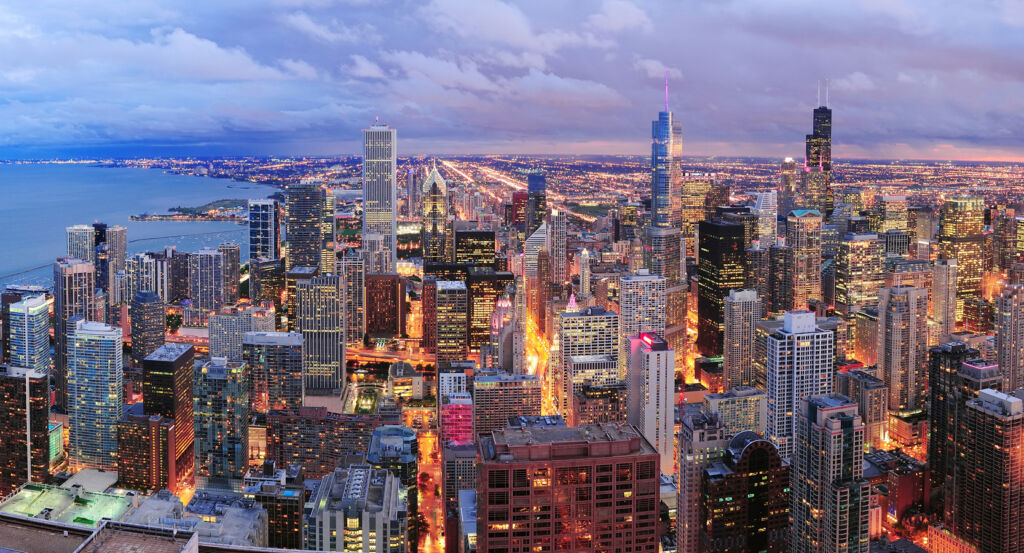
Running through Lakeview between Sheffield Avenue and Clark Street, this historic avenue connects iconic ballpark views, residential blocks, neighborhood businesses, public gathering places, local institutions, and community spaces that have shaped Chicago life for generations. Brick apartment buildings, historic walk-ups, tree-lined sidewalks, neighborhood landmarks, sports memorabilia, and thriving game-day crowds create a streetscape defined by tradition and civic pride. The corridor developed alongside the rapid growth of Lakeview during the late nineteenth and early twentieth centuries, evolving into a vital residential street bordering one of the nation's most celebrated sporting venues. Residents, baseball fans, entrepreneurs, and community leaders helped establish a reputation that continues to attract visitors from around the world. To the east, Wrigleyville extends naturally from Waveland Avenue through a network of historic streets, entertainment venues, and neighborhood institutions that reinforce the avenue's enduring significance. The result is a street defined by community identity, sporting heritage, and neighborhood character.
What defines Waveland Avenue.
Waveland Avenue is best known for bordering Wrigley Field's famous outfield wall, where rooftop spectators have watched Chicago Cubs games from neighboring buildings for more than a century, creating one of the most distinctive viewing traditions in professional sports.
The relationship between the ballpark and the surrounding rooftops emerged organically as residents discovered unobstructed views into the stadium from nearby buildings. Over time, rooftop viewing evolved into a defining feature of the Wrigley Field experience, becoming deeply intertwined with the character of both the ballpark and the neighborhood. Legal disputes, preservation efforts, and eventual agreements between the Cubs and rooftop operators helped cement the tradition's place in baseball history. The phenomenon remains a rare example of a professional sports venue existing in direct partnership with its surrounding residential community. Few streets in America are associated with a sporting tradition that so uniquely blends neighborhood life with professional athletics.
How Waveland Avenue fits.
Waveland Avenue works as an exploration of Lakeview's baseball heritage, neighborhood culture, and architectural character.
Begin at Wrigley Field, where the avenue's defining relationship with sports, community, and local tradition immediately comes into focus. Continue toward Gallagher Way, whose public gathering spaces and year-round programming reveal how the neighborhood has evolved around the ballpark across generations. From there, make your way to the Wrigley Rooftops, where one of Chicago's most distinctive spectator experiences provides a broader perspective on the traditions that continue to define the district today. Along the route, you'll encounter historic residential buildings, neighborhood businesses, public gathering places, sports landmarks, entertainment venues, and celebrated streetscapes that showcase the avenue's remarkable depth. The progression moves naturally from renowned ballpark to civic plaza to iconic rooftop experience, revealing the forces that transformed Waveland Avenue into one of Chicago's most recognizable corridors. Waveland Avenue remains one of the city's most rewarding streets, preserving a distinctive balance between neighborhood authenticity, architectural heritage, and baseball history.
Where your story begins.
Foresyte Travel reveals places that feel extraordinary long before you arrive.
Enjoy editorial crafted for luxury travelers.
Foresyte may earn a commission when you book.